|
Getting your Trinity Audio player ready... |
中文下载
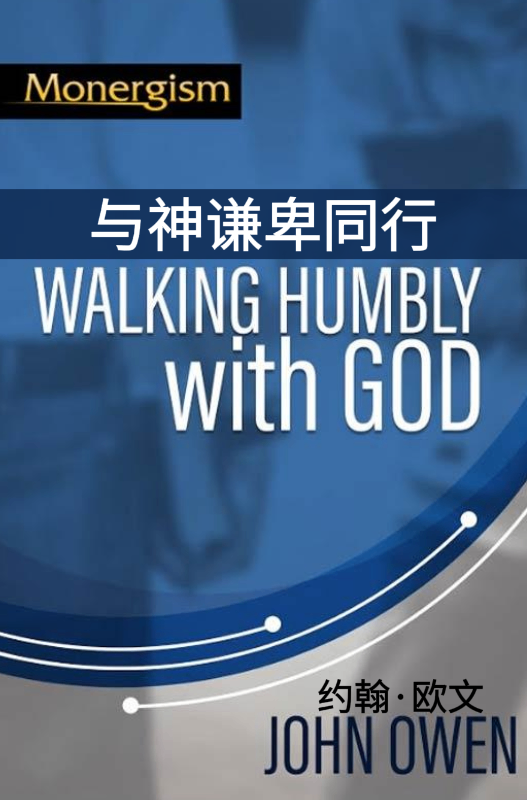
Cover art by Jherae Fabillan 封面艺术由杰拉伊·法比兰(Jherae Fabillan)设计
In this collection of five sermons, Puritan John Owen gives an exposition of Micah 6:8, what it is to walk humbly with God. 在这五篇讲道的合集中,清教徒约翰·欧文(John Owen)对弥迦书6章8节作出阐释,论述何为与神谦卑同行。
“And to walk humbly with thy God.”—MIC. 6:8 “且要与你的神谦卑同行。”——弥迦书6章8节
Walking Humbly with God is one of John Owen’s most searching and experiential expositions, unfolding the prophet Micah’s call that true religion consists not in outward show but in a life of justice, mercy, and humble communion with the living God (Mic. 6:8). 《与神谦卑同行》(Walking Humbly with God)是约翰·欧文最具探究性和经历性的阐释之一,展开先知弥迦的呼召,即真宗教不在于外在表现,而在于公义、怜悯和与永活之神谦卑相交的生活(弥6:8)。
Across five substantial sermons, Owen presses into the very heart of practical godliness: what it means for sinners—reconciled to God through the blood of Christ—to actually walk with Him in covenant obedience. 贯穿五篇实质性的讲道,欧文深入实践敬虔的核心:对于罪人——藉基督的宝血与神和好——真正在圣约顺服中与祂同行意味着什么。
Owen begins by exposing the false refuge of self-righteousness. 欧文首先揭露自义的虚假避难所。
Israel, awakened by conviction yet ignorant of God’s righteousness, imagines that greater sacrifices—even the offering of a firstborn—might appease divine wrath. 以色列被知罪唤醒,却对神的义无知,想象更大的祭物——甚至献上长子——可能平息神圣的忿怒。
Owen shows how every age repeats the same error. 欧文显明每个时代如何重复同样的错误。
When troubled, men immediately turn to their duties, reformations, and performances, “laying open the iniquity of their self-righteousness” (Sermon I). 当受困扰时,人们立即转向他们的本分、改革和表现,”揭露他们自义的罪孽”(讲道一)。
The prophet’s answer, Owen insists, is a call to humble submission to the law of grace: sinners must abandon every confidence in the flesh and receive peace with God solely through Christ’s atoning blood. 先知的回答,欧文坚持,是对恩典律法谦卑顺服的呼召:罪人必须放弃对肉体的一切信靠,单单藉基督赎罪的宝血领受与神的和平。
Only then can obedience be rightly framed as the fruit—not the foundation—of acceptance. 唯有如此,顺服才能正确地被构建为被接纳的果子——而非根基。
From this foundation, Owen unfolds what it truly means to walk with God. 从这根基,欧文展开与神同行真正意味着什么。
This walk requires peace with Him through Christ, oneness of aim with His purposes, and a new principle of spiritual life by which the believer can move in genuine holiness. 这同行需要藉基督与祂和好、与祂的旨意目标合一、以及属灵生命的新原则,藉此信徒能在真正的圣洁中行动。
It is not a momentary religious impulse but “a constant, progressive motion towards a mark before us” (Sermon II). 这不是瞬间的宗教冲动,而是”朝着我们面前标竿的恒久、渐进的运动”(讲道二)。
Owen vividly contrasts mere external religious formality with the living reality of communion—obedience performed before God’s face, under His eye, with delight in His presence. 欧文生动地对比仅仅外在的宗教形式与相交的活泼实际——在神面前、在祂眼目之下、以在祂同在中的喜乐所行的顺服。
Duties done from a slavish, wearied heart are sharply distinguished from those animated by love, sincerity, and spiritual vigor. 出于奴性、疲惫之心所行的本分与那些被爱、真诚和属灵活力激励的本分截然区分。
Yet central to all is humility. 然而,一切的中心是谦卑。
For Owen, humility is not a mere inward disposition but an entire posture of soul before God’s sovereign grace. 对欧文而言,谦卑不仅是内在的性情,而是灵魂在神主权恩典面前的整体姿态。
To walk humbly with God is to bow to His rule, to renounce every righteousness of our own, and to receive the righteousness of Another. 与神谦卑同行就是向祂的统治屈膝、弃绝我们自己的一切义、并领受另一位的义。
It is to acknowledge oneself as “lost, blind, sick…so that whatever we have, we must have it in a way of mere grace” (Sermon III). 就是承认自己是”失丧的、瞎眼的、有病的……以致无论我们拥有什么,我们都必须以纯恩典的方式拥有”(讲道三)。
This humility must attend every duty; otherwise, pride poisons even the most strenuous obedience. 这谦卑必须伴随每项本分;否则,骄傲甚至毒害最费力的顺服。
Owen warns that many “walk contrary to God when they think they walk most with him,” because secret reserves of sin, self-dependence, or worldliness corrupt their supposed religion. 欧文警告许多人”当他们以为最与祂同行时却与神背道而驰”,因为罪的隐秘保留、自我依赖或世俗败坏了他们所谓的宗教。
Throughout these sermons, Owen blends rigorous doctrinal clarity with earnest pastoral appeal. 贯穿这些讲道,欧文将严谨的教义清晰性与恳切的牧养呼吁融合在一起。
He speaks with the tenderness of a physician of souls, urging readers to test themselves: Have you truly entered covenant with God? 他以灵魂医生的温柔说话,催促读者省察自己:你真的进入与神的圣约了吗?
Do you obey from faith? 你是从信心顺服吗?
Is your obedience universal, sincere, and God-delighting? 你的顺服是普遍的、真诚的、并讨神喜悦的吗?
Do you live as under His constant gaze? 你是否活在祂持续的注视之下?
This searching application is characteristic of Owen’s best practical works—probing the conscience, strengthening the believer, and exposing the danger of formality and spiritual presumption. 这探究性的应用是欧文最佳实践作品的特征——探察良心、坚固信徒、并揭露形式主义和属灵自负的危险。
In Walking Humbly with God, readers encounter Owen at his most pastoral, unfolding a spirituality both deeply evangelical and deeply practical. 在《与神谦卑同行》中,读者遇见最具牧养性的欧文,展开一种既深刻福音性又深刻实践性的灵性。
He shows that the Christian life is neither a cold moralism nor a restless activism, but a steady, joyful walk with God—grounded in grace, shaped by holiness, and sustained by humble dependence upon the righteousness of Christ. 他显明基督徒生活既非冷漠的道德主义也非不安的行动主义,而是与神稳定、喜乐的同行——扎根于恩典、由圣洁塑造、并藉着对基督之义的谦卑依靠而维持。
Table of Contents 目录
Walking Humbly With God Sermon, Part I 与神谦卑同行 讲道,第一部分
Walking Humbly With God Sermon, Part II 与神谦卑同行 讲道,第二部分
Walking Humbly With God Sermon, Part III 与神谦卑同行 讲道,第三部分
Walking Humbly With God Sermon, Part IV 与神谦卑同行 讲道,第四部分
Walking Humbly With God Sermon, Part V 与神谦卑同行 讲道,第五部分