|
Getting your Trinity Audio player ready... |
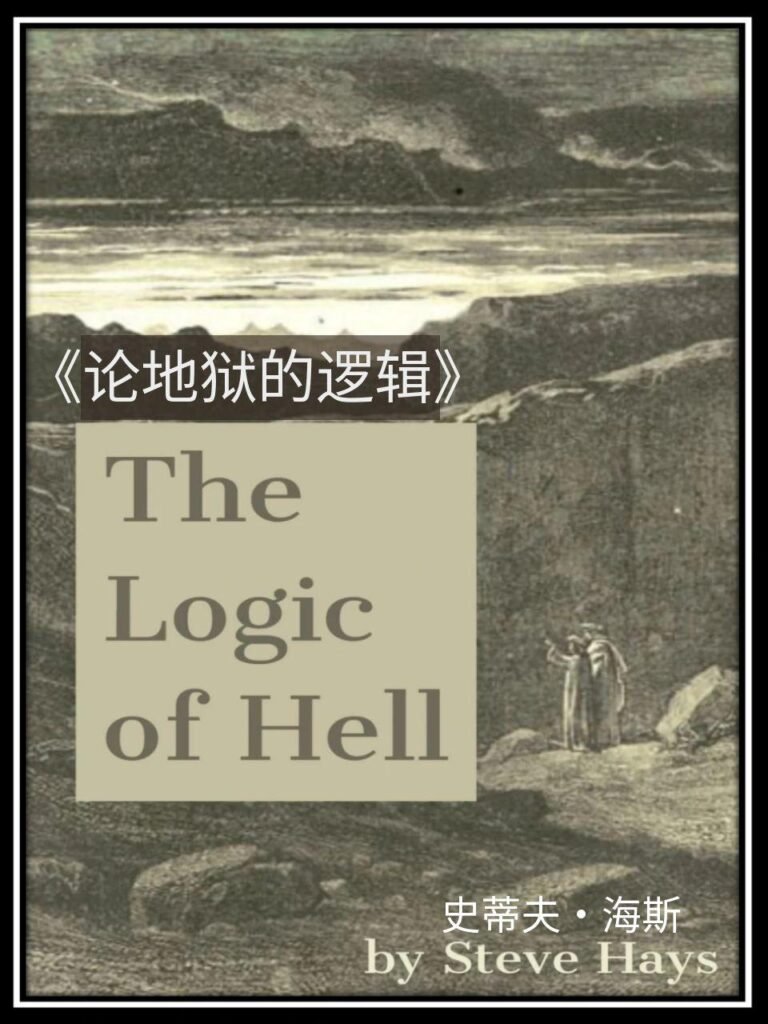
The focus on this book is on philosophical objections to hell.
这本书的重点是对地狱的哲学反对意见。
I’m using “hell” as shorthand for everlasting conscious punishment or misery.
我使用”地狱”作为永恒有意识刑罚或痛苦的简称。
中文下载
That’s the position I defend.
这是我为之辩护的立场。
The book is more about the concept of hell, with a few hermeneutical considerations along the way.
这本书更多是关于地狱的概念,沿途有一些解经学的考虑。
Many people both inside and outside the church often have a view of hell based on folk theology.
教会内外的许多人经常持有基于民间神学的地狱观点。
Jesus uses “outer darkness” (Mt 8:12; 22:13; 25:30) as one of the images for hell.
耶稣使用”外面的黑暗”(太8:12; 22:13; 25:30)作为地狱的形象之一。
What is that image supposed to conjure in the minds of readers?
这个形象应该在读者心中唤起什么?
The light/darkness, inside/outside contrast may trade on the metaphor of a fortified city.
光明/黑暗、里面/外面的对比可能建立在坚固城市的隐喻之上。
If you arrive after the city gates close at night, you will be stuck outside.
如果你在夜晚城门关闭后才到达,你就会被困在外面。
You will be exposed to the elements as well as the dangers associated with the night (e.g.nocturnal predators).
你会暴露在自然环境以及与黑夜相关的危险中(例如夜间捕食者)。
Then he will say to those on his left, ‘Depart from me, you cursed, into the eternal fire prepared for the devil and his angels’ (Mt 25:41).
然后祂要向那左边的说:”你们这被咒诅的人,离开我!进入那为魔鬼和他的使者所预备的永火里去!”(太25:41)
Traditionally, the fiery imagery for hell is regarded as a metaphor for the punitive psychological pain and suffering which the damned experience.
传统上,地狱的火焰形象被视为被定罪者所经历的惩罚性心理痛苦和受苦的隐喻。
And that may be correct.
这可能是正确的。
Insofar as the damned are raised to life, it might possibly include punitive physical pain as well.
就被定罪者被复活而言,它可能也包括惩罚性的身体疼痛。
However, fire, and other synonyms, can have a different figurative meaning.
然而,火焰和其他同义词可以有不同的比喻意义。
For instance:
例如:
But if they cannot exercise self-control, they should marry. For it is better to marry than to burn (1 Cor 7:9).
倘若自己禁止不住,就可以嫁娶。与其欲火攻心,倒不如嫁娶为妙(林前7:9)。
There it denotes sexual passion.
在那里它表示性欲激情。
“To burn” can mean “to yearn ardently” for something.
“燃烧”可以意味着对某事”热切渴望”。
So the imagery of hellfire might symbolize punitive frustrated longing.
所以地狱之火的形象可能象征着惩罚性的受挫渴望。
Hellfire
地狱之火
Traditionally, fire is the element most commonly associated with hell–especially in the popular imagination.
传统上,火是与地狱最常联系的元素——尤其是在大众想象中。
Fire is such a memorable metaphor.
火是如此令人难忘的隐喻。
But what does hellfire signify?
但地狱之火意味着什么?
Universalists think it stands for purification while annihilationists think it stands for destruction.
普救论者认为它代表净化,而灭绝论者认为它代表毁灭。
Of course, these two interpretations tend to cancel each other out.
当然,这两种解释倾向于相互抵消。
I think it’s safe to say that traditionally, hellfire is associated with pain.
我认为可以肯定地说,传统上,地狱之火与痛苦相关联。
Fire burns.
火焚烧。
And it’s quite possible hellfire in the Bible plays on that connotation.
而圣经中的地狱之火很可能运用了这种含意。
However, there’s another possibility which I haven’t seen explored.
然而,还有另一种我没有见过被探讨的可能性。
Those of us who live in the Frost Belt associate fire with warmth.
我们这些生活在严寒地带的人将火与温暖联系起来。
Nothing like curling up beside a crackling fireplace on a chilly night.
没有什么比在寒冷的夜晚蜷缩在噼啪作响的壁炉旁更好的了。
But, of course, the Bible is set in a hot, arid part of the world.
但是,当然,圣经背景设在世界的一个炎热干旱地区。
A place where drought and wildfire results in famine.
一个干旱和野火导致饥荒的地方。
Hunger and thirst.
饥饿和干渴。
Starvation and dehydration.
饥饿和脱水。
It’s not coincidental that figures of eschatological judgment depict God drying up rivers and streams.
末世审判的比喻描述神使江河溪流干涸,这并非巧合。
Especially in the Mideast, these were sources of freshwater and drinking water.
特别是在中东,这些是淡水和饮用水的来源。
Or take the famous lake of fire in Revelation.
或者以启示录中著名的火湖为例。
A lake is normally a freshwater body.
湖通常是淡水水体。
Consider the “Sea” of Galilee, the Nile, and the Jordan River.
考虑加利利”海”、尼罗河和约旦河。
Fish, game, livestock, and vegetation were dependent on lakes, rivers and streams.
鱼类、野味、牲畜和植被都依赖湖泊、河流和溪流。
Conversely, figures of eschatological salvation depict God turning the desert into an oasis.
相反,末世救恩的比喻描述神将沙漠变成绿洲。
The relationship between fire and water is paradoxical.
火与水之间的关系是矛盾的。
We normally think of water dousing fire.
我们通常认为水熄灭火。
But fire is a drying agent.
但火是干燥剂。
Eschatological fire can evaporate bodies of water.
末世之火可以蒸发水体。
Fire represents searing heat (among other things).
火代表灼热(除其他意思外)。
So it’s possible that the metaphor of fire is associated with the related metaphors of hunger and especially thirst.
所以火的隐喻可能与饥饿特别是干渴的相关隐喻联系起来。
Unquenchable fire signifies unquenchable hunger and thirst.
不灭的火意味着不能熄灭的饥渴。
And these, in turn, are figures of yearning.
而这些反过来又是渴望的比喻。
The damned forever long for what they shall never have.
被定罪者永远渴望他们永远不会拥有的。
Dying of thirst, but cursed with immortality.
渴死,但被诅咒拥有不朽。
TABLE OF CONTENTS
目录
Retroactive prayer
追溯性祷告
God’s time-travelers
神的时间旅行者
Falling on a grenade
扑向手榴弹
Damnation in the multiverse
多元宇宙中的定罪
Into the cave
进入洞穴
Why is postmortem salvation false?
为什么死后救恩是虚假的?
God will wipe away every tear
神要擦去一切眼泪
Inclusivism
包容主义
Krishna, Christ, and Manitou
克里希那、基督和马尼图
What is faith?
什么是信心?
Will few be saved?
得救的人少吗?
Jewish evangelism
犹太人福音传道
Reformed exclusivism
改革宗排他主义
“The paradoxes of hell”
“地狱的悖论”
Infinite loss, infinite comeuppance
无限损失,无限报应
So many Christians–so few lions!
这么多基督徒——却这么少狮子!
Shades of faith
信心的层次
The wider hope
更广阔的盼望
Gouging his eyes out
挖出他的眼睛
Are there babies in hell?
地狱里有婴儿吗?
Elect infants
蒙拣选的婴孩
Valley of Hinnom
欣嫩子谷
The general resurrection
普遍复活
“An everlasting Auschwitz”
“永恒的奥斯威辛”
Some objections to annihilationism
对灭绝论的一些反对意见
Kill the body, not the soul
杀身体不能杀灵魂
Is annihilation objectively worse?
灭绝在客观上更糟吗?
Body and soul in hell
地狱中的身体和灵魂
Hell under fire
受攻击的地狱
The hermeneutics of annihilationism
灭绝论的解经学
A Fudgesicle’s chance in hell
地狱中法奇雪糕的机会
Bedlam
混乱
Hell is what you live for
地狱是你为之而活的
Life in the compound
院落中的生活
Virtual hell
虚拟地狱
The dark island
黑暗岛屿
Film noir hell
黑色电影地狱
Posthumous punishment
死后惩罚
Circumstantial luck
环境运气
Scandinavian hell
斯堪的纳维亚地狱
Postmortem stages
死后阶段
Lost
迷失
“The damnable thing about damnation”
“定罪的可恨之处”
Punitive “torture”
惩罚性”折磨”
Hell is bad…except when it’s good
地狱是坏的…除非当它是好的时候
The futility of atheist outrage
无神论者愤怒的徒劳
Dogs and wolves
狗和狼
Outer darkness
外面的黑暗
Hellfire
地狱之火
Lazarus and Dives
拉撒路和财主