|
Getting your Trinity Audio player ready... |
中文下载
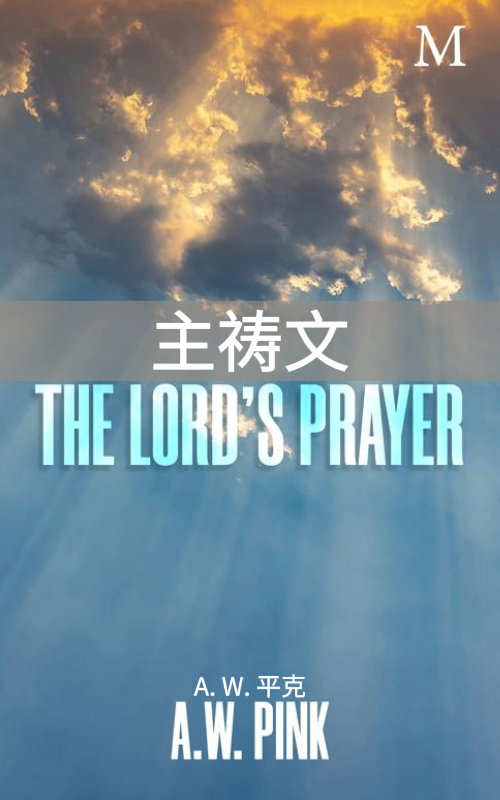
This little work by Arthur Walkington Pink (1886-1952) examines the individual petitions of the Lord’s Prayer to derive important lessons for the Christian life and our approach to prayer.
亚瑟·沃金顿·平克(Arthur Walkington Pink,1886–1952)所著的这本小册子,逐一查考主祷文中的各个祈求,从中引申出对基督徒生活以及我们祷告方式的重要教训。
From Pink’s introduction…
摘自平克的引言……
From earliest times it has been called “the Lord’s Prayer,” not because it is one that He Himself addressed to the Father, but because it was graciously furnished by Him to teach us both the manner and method of how to pray and the matters for which to pray.
自最早的时代起,它就被称为“主祷文”,并不是因为这是祂自己向父所献上的祷告,而是因为这是祂满有恩慈地赐给我们的,用以教导我们祷告的方式与方法,以及我们当为何事祈求。
It should therefore be highly esteemed by Christians.
因此,基督徒当对这祷告极其看重。
Christ knew both our needs and the Father’s good will toward us, and thus He has mercifully supplied us with a simple yet comprehensive directory.
基督既深知我们的需要,也深知父向我们所怀的美意,因此祂怜悯地赐给我们一份简明却全面的指引。
Every part or aspect of prayer is included therein.
祷告的每一个部分或层面,都包含在其中。
Adoration is found in its opening clauses and thanksgiving in the conclusion.
敬拜包含在其开头的词句之中,而感谢则体现在结语里。
Confession is necessarily implied, for that which is asked for supposes our weakness or sinfulness.
认罪是必然隐含其中的,因为凡所祈求的,都预设了我们的软弱或有罪。
Petitions furnish the main substance, as in all praying.
如同一切祷告一样,祈求构成了其中的主要内容。
Intercession and supplication on behalf of the glory of God and for the triumph of His Kingdom and revealed will are involved in the first three petitions,
前面三项祈求,包含了为神的荣耀、为祂国度的得胜以及祂所启示之旨意的成就而代求与恳求,
whereas the last four are concerned with supplication and intercession concerning our own personal needs and those of others, as is indicated by pronouns in the plural number.
而后四项则关乎我们个人以及他人需要的祈求与代祷,这一点从所使用的复数人称代词中可以看出。
This prayer is found twice in the New Testament, being given by Christ on two different occasions.
这篇祷告在新约中出现了两次,是基督在两个不同的场合所赐下的。
This, no doubt, is a hint for preachers to reiterate that which is of fundamental importance.
这无疑是在提示传道人,应当反复强调那些根本而重要的真理。
The variations are significant.
其中的差异是意味深长的。
The language of Matthew 6:9 intimates that this prayer is given to us for a model,
马太福音六章九节的用语表明,这祷告是赐给我们作为一个范式,
yet the words of Luke 11:2 indicate that it is to be used by us as a form.
而路加福音十一章二节的措辞则表明,它也是要我们作为一种固定的祷告形式来使用。
Like everything in Scripture, this prayer is perfect—perfect in its order, construction, and wording.
正如圣言中的一切,这篇祷告也是完全的——在次序上完全,在结构上完全,在用词上完全。
Its order is adoration, supplication, and argumentation.
它的次序是敬拜、祈求、以及申述(argumentation,指在祷告中以神的应许和旨意为根据的恳求)。
Its petitions are seven in number.
其中的祈求共有七项。
It is virtually an epitome of the Psalms and a most excellent summary of all prayer.
它实际上是诗篇的精华,是一切祷告的极其卓越的总纲。
Every clause in it occurs in the Old Testament, denoting that our prayers must be Scriptural if they are to be acceptable.
其中的每一句话都能在旧约中找到,这表明若我们的祷告要蒙悦纳,就必须是合乎圣言的。
“And this is the confidence that we have in Him, that, if we ask any thing according to His will, He heareth us” (1 John 5:14).
“我们若照祂的旨意求什么,祂就听我们,这是我们向祂所存坦然无惧的心”(约翰一书 5:14)。
But we cannot know His will if we are ignorant of His Word.
然而,若我们对祂的圣言无知,就无法认识祂的旨意。
Table of Contents
目录
Introduction
引言
Chapter 1 – The Address – “Our Father which art in heaven”
第一章——称呼——“我们在天上的父”
Chapter 2 – The First Petition – “Hallowed be Thy name”
第二章——第一项祈求——“愿人都尊祢的名为圣”
Chapter 3 – The Second Petition – “Thy Kingdom come”
第三章——第二项祈求——“愿祢的国降临”
Chapter 4 – The Third Petition – “Thy will be done in earth, as it is in heaven”
第四章——第三项祈求——“愿祢的旨意行在地上,如同行在天上”
Chapter 5 – The Fourth Petition – “Give us this day our daily bread”
第五章——第四项祈求——“我们日用的饮食,今日赐给我们”
Chapter 6 – The Fifth Petition – “And forgive us our debts, as we forgive our debtors”
第六章——第五项祈求——“免我们的债,如同我们免了人的债”
Chapter 7 – The Sixth Petition – “And lead us not into temptation”
第七章——第六项祈求——“不叫我们遇见试探”
Chapter 8 – The Seventh Petition – “But deliver us from evil”
第八章——第七项祈求——“救我们脱离凶恶”
Chapter 9 – The Doxology – “For Thine is the Kingdom, and the power, and the glory, for ever. Amen”
第九章——颂赞——“因为国度、权柄、荣耀,全是祢的,直到永远。阿们”