|
Getting your Trinity Audio player ready... |
中文下载
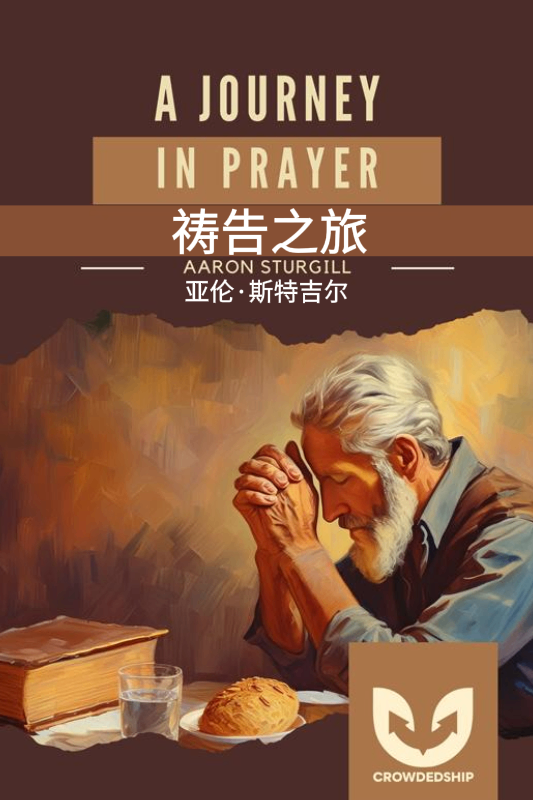
Background to the journey.
旅程的背景。
My journey in prayer began several years ago from the overflow of two conversations on friendship.
我的祷告之旅始于几年前,源于两场关于友谊的谈话。
Within a month of each other, in the fall of 2015, two church members approached me about what they considered to be a deficit in relationships.
在2015年秋天,相隔不到一个月的时间里,两名教会成员找到我,谈论他们认为在关系上的缺失。
As they further described their challenges of belonging and their frustrations for years of church relationships, I took to heart their pain, critique, and desires.
当他们进一步描述归属感的挑战以及多年来对教会关系的挫败感时,我把他们的痛苦、批评和渴望都放在了心上。
In their descriptions, they both acknowledged a desire for friendship.
在他们的描述中,他们都承认了对友谊的渴望。
However, a couple questions persisted within my thinking.
然而,有几个问题一直萦绕在我的脑海中。
(1) Is what they want good?
(1) 他们想要的是好的吗?
Likely, we would agree to the desire for friendship being generally healthy and appropriate.
很可能,我们会同意对友谊的渴望通常是健康和恰当的。
Nagging speculations concerning motivation and responsibility from this question eventually subsided.
这个由问题引发的关于动机和责任的纠结思索最终平息了。
However, the second question pricked my mind for years.
然而,第二个问题多年来一直刺痛着我的心。
(2) Is the church responsible to help facilitate friendships?
(2) 教会有责任帮助促进友谊吗?
And, more personally, am I, as the pastor, responsible for facilitating the friendships of church members?
并且,更个人化地说,作为牧师,我有责任促进教会成员之间的友谊吗?
More broadly speaking, what types of relationships should the church facilitate?
更广义地说,教会应该促进什么类型的关系?
I had recently started a doctoral program in biblical counseling at The Southern Baptist Theological Seminary, and for my project, decided to pursue a deeper understanding of friendship and its role in church life.
我当时刚开始在美南浸信会神学院(The Southern Baptist Theological Seminary)攻读圣经辅导博士学位,对于我的项目,我决定去追求对友谊及其在教会生活中作用的更深理解。
Sickness in our home would prolong this journey, lead to a ThM at Southern in December of 2017, and sideline my formal study on friendship.
家里的疾病延长了这段旅程,导致我在2017年12月于美南获得了神学硕士学位(ThM),并暂时搁置了关于友谊的正式研究。
In God’s providence and by his good grace, I began my doctorate once again in the Fall of 2018, this time at Southeastern Baptist Theological Seminary.
在神的护理和祂美好的恩典下,我在2018年秋季再次开始了博士学位的学习,这次是在东南浸信会神学院(Southeastern Baptist Theological Seminary)。
The head of my program quickly transitioned my project from friendship to biblical fellowship.
我的项目负责人很快将我的项目从友谊转变为合乎圣经的团契。
While initially irritating, I would come to realize an understanding of biblical fellowship answered my questions concerning relationships within the church.
虽然起初令人恼火,但我后来意识到,对合乎圣经的团契的理解回答了我关于教会内关系的问题。
How do we get to prayer?
我们是如何转到祷告上来的?
As part of my project, I formed a fellowship team consisting of nearly a dozen of my church members.
作为项目的一部分,我组建了一个团契小组,由近十二名教会成员组成。
While much of our month-long discussion surrounded an understanding of biblical fellowship, our final task consisted of formulating a proposal to enhance biblical fellowship at Cornerstone Church.
虽然我们为期一个月的讨论主要围绕着对合乎圣经的团契的理解,但我们的最终任务是制定一项建议,以加强房角石教会(Cornerstone Church)合乎圣经的团契。
The team determined one of our church’s greatest weaknesses in biblical fellowship to be a lack of prayer in both our personal lives and our church life.
团队确定,我们教会在合乎圣经的团契方面最大的弱点之一,是在个人生活和教会生活中都缺乏祷告。
For Cornerstone to enhance its biblical fellowship, we would need to pursue a better understanding and practice of prayer.
为了让房角石教会加强其合乎圣经的团契,我们需要追求对祷告更好的理解和实践。
The fellowship team proposed we focus on four themes over the next four years – prayer, discipleship, the Holy Spirit, and communion.
团契小组提议我们在接下来的四年里关注四个主题——祷告、门徒训练、圣灵和圣餐。
So then, in the Fall of 2021, I began gathering resources for a study on prayer.
于是,在2021年秋天,我开始收集关于祷告研究的资源。
Throughout the next year, I would be introduced to authors ranging from the 17th century Reverend Thomas Ken and Martin Luther to the 19th century Samuel Miller to helpful authors in the 20th and 21st centuries such as Donald Whitney, Leonard Ravenhill, Scotty Smith, Megan Hill, Ole Hallesby, and Walter Brueggemann.
在接下来的一年里,我接触到的作者范围很广,从17世纪的托马斯·肯牧师(Thomas Ken)和马丁·路德(Martin Luther),到19世纪的塞缪尔·米勒(Samuel Miller),再到20世纪和21世纪有助益的作者,如唐纳德·惠特尼(Donald Whitney)、伦纳德·雷文希尔(Leonard Ravenhill)、斯科蒂·史密斯(Scotty Smith)、梅根·希尔(Megan Hill)、奥莱·哈勒斯比(Ole Hallesby)和沃特·布鲁格曼(Walter Brueggemann)。
While searching for helpful resources, I quickly noticed several authors referencing one particular resource – Matthew Henry’s A Method for Prayer.
在寻找有助益的资源时,我很快注意到几位作者都引用了一个特定的资源——马修·亨利(Matthew Henry)的《祷告的方法》(A Method for Prayer)。
Throughout the following months, I found myself consistently, if not daily, going back to Henry’s book to be refreshed by his approach to prayer.
在随后的几个月里,我发现自己经常(如果不是每天的话)回到亨利的书,通过他对祷告的方法来重获更新。
However, I found his archaic language challenging and started rewording his paragraphs.
然而,我发现他古旧的语言具有挑战性,于是开始重写他的段落。
At first, I felt disrespectful in changing any of his thoughts and wording.
起初,我觉得改变他的任何思想和措辞都是不尊重的。
But quickly, I came to embrace the value of personalizing each prayer.
但很快,我开始欣然接受将每一个祷告个人化的价值。
Early each morning, in the dim light of my den even further darkened by the comforting terracotta orange walls, as part of my communion with God, I would take a single paragraph, meditate on its verses, and rewrite the paragraph as a personal prayer.
每天清晨,在我那因令人舒适的陶土橙色墙壁而显得更加昏暗的书房微光中,作为我与神交通的一部分,我会选取单独的一段,默想其中的经文,并将这一段重写为个人的祷告。
Often one paragraph would bleed into a couple days if not a week, causing the journey through Henry’s book to last several years.
往往一段内容会延续几天甚至一周,导致通读亨利这本书的旅程持续了好几年。
Amid this journey, I came to further appreciate the statement, “the joy is in the journey.”
在这段旅程中,我进一步体会到了那句话:“喜乐在于旅程本身。”
My Motivation.
我的动力。
Throughout this journey, primarily, four people groups compelled my forward progress.
在这段旅程中,主要有四类人推动我向前迈进。
First, I need to grow in prayer.
首先,我需要在祷告中成长。
Throughout my personal journey with the Lord, I have consistently prayed.
在我与主同行的个人旅程中,我一直在祷告。
However, my prayer life mostly reflected a quote from the 19th century, Pentecostal evangelist, Smith Wigglesworth.
然而,我的祷告生活主要反映了19世纪五旬节派布道家史密斯·维格氏维尔(Smith Wigglesworth)的一句名言。
He once said, “I don’t often spend more than half an hour in prayer at one time, but I never go more than half an hour without praying.”1
他曾经说:“我不常一次花超过半小时祷告,但我从未超过半小时不祷告。”
While this statement may have reflected my prayer life at times, sadly the phrase also seemed to justify a lack of lengthy times of prayer.
虽然这句话有时可能反映了我的祷告生活,但遗憾的是,这句话似乎也为缺乏长时间的祷告提供了借口。
My most recent journey in prayer dismisses the first half of the statement while attempting to retain the second half.
我最近的祷告之旅摒弃了这句话的前半部分,同时试图保留后半部分。
My time of morning prayer2 now often takes up to two hours, if not more.
我现在的晨祷时间通常长达两个小时,甚至更多。
However, I still desire to go very little time without praying.
然而,我仍然渴望不祷告的时间非常少。
Second, my wife has accompanied me throughout this journey.
其次,我的妻子在这段旅程中一直陪伴着我。
For years, Linda and I desired to have a consistent devotional and prayer time together.
多年来,琳达(Linda)和我一直渴望拥有一段持续的共同灵修和祷告时间。
While consistently maintaining personal devotions, we struggled finding the right time to pray and read together.
虽然我们坚持个人灵修,但我们很难找到合适的时间一起祷告和阅读。
When she rose early for her morning devotional time, I would momentarily lay in bed, shame ridden, desiring to get up with her.
当她早起进行晨间灵修时,我会暂时躺在床上,充满羞愧,想和她一起起床。
However, typically, I successfully rid myself of the shame and rolled back over to sleep.
然而,通常情况下,我成功地摆脱了羞愧,翻身继续睡觉。
In contrast, my mind would find its clearest moments late in the evening as my dear wife struggled to stay awake.
相反,当我不那么清醒的时候,我亲爱的妻子却在深夜努力保持清醒。
Over more than twenty years of marriage, we attempted to find some consistent devotional time together with very little success.
在二十多年的婚姻中,我们试图找到一些持续的共同灵修时间,但收效甚微。
God, in his grace, used two challenging moments to assist in this pursuit.
神在祂的恩典中,利用两个充满挑战的时刻来帮助这一追求。
First, Covid forced us to stay home.
首先,新冠疫情(Covid)迫使我们待在家里。
We contend, Covid gifted us a consistent devotional and prayer time.
我们认为,新冠疫情赐予了我们一段持续的灵修和祷告时间。
The change in schedule allowed us to spend time together just a little later in the morning when my mind was more alert.
日程的改变使我们能够在早晨稍晚一点,即我头脑更清醒的时候在一起度过时光。
Second, God used a year and a half of insomnia, coupled with a particular medication, to reprogram my sleep patterns.
其次,神利用一年半的失眠,加上一种特殊的药物,重新调整了我的睡眠模式。
Previously, I struggled to get up before 7:00.
以前,我很难在7:00之前起床。
However, these two catalysts shifted my morning routine up by about two hours.
然而,这两个催化剂将我的早晨例程提前了大约两个小时。
Coupled together, Covid and insomnia led to an
early morning devotional time for Linda and me – now my favorite time of day.
新冠疫情和失眠结合在一起,为琳达和我带来了一段清晨灵修时间——这现在是我一天中最喜欢的时光。
My journey with Matthew Henry became a significant part of these moments.
我与马修·亨利的旅程成为了这些时刻的重要组成部分。
Third, I can think of no greater, tangible gift to my children than a resource for their enhanced prayer life.
第三,我想不出还有什么比一份能增强孩子们祷告生活的资源更伟大、更切实的礼物了。
Sadly, for years, the consistency in my prayers for my children reflected the same inconsistency in my overall prayer life.
遗憾的是,多年来,我为孩子们祷告的连贯性反映了我整体祷告生活中同样的不连贯性。
Developing a consistent and substantive prayer time resulted in purposeful and daily intercession for my children.
建立一段持续且充实的祷告时间,让我能有目的地每天为我的孩子们代求。
Linda and I have often joked, “if you were on a deserted island and could only pray one thing, what would it be?”
琳达和我经常开玩笑说:“如果你在一个荒岛上,只能祈求一件事,那会是什么?”
We agree we would pray one specific line from Matthew Henry’s prayer for our children, “we earnestly pray that Christ may be formed in their souls.”3
我们一致同意,我们会引用马修·亨利为孩子们祷告中的具体一句:“我们切切祈求基督成形在他们的灵魂里。”
We couldn’t think of any eternal, substantive request that did not somehow fit within that one request.
我们想不出有任何永恒的、实质性的请求不包含在这一请求之中。
Finally, I desired to finish this resource for the equipping of my church family for greater prayer.
最后,我渴望完成这份资源,是为了装备我的教会家人们进行更深入的祷告。
All along, the edification of Cornerstone Church served as the initial impetus for studying prayer.
一直以来,造就房角石教会都是研究祷告的最初动力。
While God gifted me so many other blessings through this journey, I always wanted to personally grow in my understanding and practice of prayer in order to benefit my church family.
虽然神在这段旅程中赐予了我许多其他的祝福,但我一直希望个人在祷告的理解和实践上有所成长,以造福我的教会家人们。
As I read Henry’s book, I would often struggle with archaic words and at times challenging sentence structure.
当我阅读亨利的书时,我经常在古旧的词汇和有时具有挑战性的句子结构中挣扎。
I often spent as much time interpreting Henry as I did resonating with his point in my own prayer.
我经常花在解读亨利意思上的时间,和我自己在祷告中与他的观点产生共鸣的时间一样多。
I wanted my church to have a similar resource as Henry’s book but in a format that would be more accessible to them.
我希望我的教会能拥有一份类似于亨利这本书的资源,但格式要对他们来说更易于接受。
Approach to this edition. Isaac Watts summarized Henry’s approach in organizing his prayer points and scripture passages.
本版本的处理方法。艾萨克·瓦茨(Isaac Watts)总结了亨利组织其祷告要点和经文段落的方法。
Watts wrote,
瓦茨写道,
Mr. Henry’s method of prayer is a judicious collection of scriptures, proper to the several parts of that duty….
亨利先生的祷告方法是对经文的明智收集,适用于该责任(祷告)的各个部分……
And above all, I would recommend to them the late Mr. Henry’s Method of Prayer, where the devout expressions of the holy men of God, in scripture, are ranged under a variety of heads or common places, suited to the several parts of prayer, and the different occasions of the Christian life.
最重要的是,我想向他们推荐已故亨利先生的《祷告的方法》,其中神圣洁之人在经文中虔诚的表达,被排列在各种标题或常见类别下,适合祷告的各个部分,以及基督徒生活的不同场合。
Henry offers a thorough organization of prayer topics accompanied by a helpful list of verses pertinent to the topic.
亨利提供了祷告主题的详尽组织,并附有一份与主题相关的有助益的经文清单。
While often Henry took some liberty in combining verses into one sentence or adding a prefatory statement, he primarily just listed verses, often with conceptual redundancies throughout the verse list.
虽然亨利经常自由地将几节经文合并成一个句子或加上前言,但他主要只是列出经文,在经文清单中经常有概念上的重复。
In other words, he doesn’t offer a prayer but the resources for prayer.
换句话说,他提供的不是一个祷告,而是祷告的资源。
On the other hand, I attempted to take the verse list and formulate a single prayer, which often required combining of verses, deletion of redundancies, change of tense, and the change of verses discussing God to a prayer directed to God.
另一方面,我试图采用经文清单并将其制定为一个单一的祷告,这通常需要合并经文、删除重复内容、改变时态,并将讨论神的经文改为向神发出的祷告。
In some sense, I offer nothing new.
在某种意义上,我没有提供任何新东西。
Others, well suited to the task, have come before me offering a modernized version of Henry’s work.
其他更胜任这项任务的人已经在我之前提供了亨利著作的现代化版本。
O. Palmer Robertson offers a very helpful resource, titled A Way to Pray by Matthew Henry.
O·帕尔默·罗伯逊(O. Palmer Robertson)提供了一份非常有助益的资源,题为《马修·亨利的祷告之道》(A Way to Pray by Matthew Henry)。
Robertson retains Henry as author and offers this resource as a modernized edition of Henry’s book.
罗伯逊保留了亨利作为作者的身份,并作为亨利著作的现代化版本提供此资源。
Robertson does simplify Henry’s excessive outline structure of each chapter, which extends, at times, to five layers of outlining.
罗伯逊确实简化了亨利每章过分繁琐的大纲结构,该结构有时延伸至五层大纲。
While Robertson offers a different version for the scripture passages, he appears to retain all of Henry’s passages.4
虽然罗伯逊为经文段落提供了不同的版本,但他似乎保留了亨利所有的段落。
In contrast, I often deleted or added other scripture passages to a particular prayer point.
相比之下,我经常在一个特定的祷告要点中删除或添加其他经文段落。
Robertson describes his edition in the following manner.
罗伯逊用以下方式描述他的版本。
This current edition does not represent simply an effort to modernize the language of Matthew Henry’s original.
当前这个版本不仅仅是致力于使马修·亨利原著的语言现代化。
Instead, it is an effort to provide a respectful but thorough reworking of the text of Matthew Henry in light of careful exegetical consideration …
相反,它是致力于根据仔细的释经考量,对马修·亨利的文本进行尊重但彻底的重写……
The reader of this revised edition will find that it falls more in the category of ‘dynamic’ rather than ‘literal’ renderings of scripture.
这个修订版的读者会发现,它更多地属于经文的“动态”而非“字面”呈现。
This approach is justified in large part by the fact that the effort is being made to make the reading as natural as possible in the language of today so that the reader will be able to express himself naturally before God in his mother tongue (xv).
这种方法在很大程度上是合理的,因为我们努力使阅读在今天的语言中尽可能自然,以便读者能够用母语在神面前自然地表达自己。
Ligon Duncan also offers a very helpful edition of Henry’s work.
利贡·邓肯(Ligon Duncan)也提供了亨利著作的一个非常有助益的版本。
Through the Alliance of Confessing Evanglicals, Duncan offers both a physical copy and online copy of the resource.
通过认信福音派联盟(Alliance of Confessing Evangelicals),邓肯提供了该资源的实体版和网络版。
The online copy offers several translations (ESV, KJV, NAS, and NIV) for each passage as well as a first person and corporate reading of each version.
网络版为每一段经文提供了几种译本(ESV, KJV, NAS, 和 NIV),以及每个版本的每个人称阅读和集体阅读。
Unlike Robertson, Duncan does not offer his own translation work but instead employs four of the most popular English translations.
与罗伯逊不同,邓肯没有提供他自己的翻译工作,而是采用了四种最流行的英文译本。
Duncan does not change any of Henry’s verse selections.
邓肯没有更改亨利的任何经文选择。
I am extremely thankful for the work of these two men and their accompanying teams, for they offer a wonderful gift to the church and to me personally.
我非常感谢这两位及其团队的工作,因为他们为教会和我个人提供了一份极好的礼物。
Their work has often accompanied my journey with Matthew Henry in prayer.
他们的工作经常伴随着我与马修·亨利的祷告之旅。
In my writing, I do not attempt to offer something better, but rather the byproduct of my own personal prayer life.
在我的写作中,我并不是试图提供更好的东西,而是提供我个人祷告生活的副产品。
As a result, my writing would not equate to an edition of Henry’s work.
因此,我的写作并不等同于亨利著作的一个版本。
While I always started with his verse list for each prayer point, I regularly deleted, added, and compressed scripture passages.
虽然我总是从他每个祷告要点的经文清单开始,但我经常删除、添加和压缩经文段落。
I also attempted to make each prayer point into one cohesive prayer rather than a list of verses.
我还试图将每个祷告要点变成一个连贯的祷告,而不是一份经文清单。
Often, the text reflects the point of a verse and not the wording.
文本经常反映经文的要点,而不是具体的措辞。
Out of deep respect for Henry, I originally structured the book as closely as possible to Henry’s outline.5
出于对亨利的深深敬意,我最初将这本书的结构尽可能地贴近亨利的大纲。
The most significant exception to this structure was my deletion of several of Henry’s intercessory prayers in chapter five.
这个结构最明显的例外是我删除了亨利在第五章中的几个代求祷告。
Having finished my original edition, I then decided to reorganize the prayers to offer a clearer resource with less outlining.
完成我的初版后,我决定重新组织祷告,以提供一个更清晰、大纲更少的资源。
Additional assessment of Henry’s work. Matthew Henry reflects impeccable biblical logic.
对亨利著作的额外评估。马修·亨利反映了无懈可击的圣经逻辑。
In my devotions, I would often sit pondering on his particular wording or passage selection – usually to realize a helpful word choice or an unexpected passage.
在我的灵修中,我经常坐着思考他特定的措辞或段落选择——通常是为了领悟一个有助益的用词或一段意想不到的经文。
Truly, this process was a delight.
真的,这个过程是一种喜乐。
However, I was often surprised at his lack of New Testament (NT) use.
然而,我经常对他缺乏新约(NT)的使用感到惊讶。
His prayer points seemed excessive in Old Testament (OT) passages, even when NT texts seemed obvious.
他的祷告要点似乎过多地使用了旧约(OT)段落,即使是在新约经文看起来很明显的时候。
Clearly, Henry views the connection between Israel and the Church differently than I do which likely explains much of the confusion.
显然,亨利对以色列和教会之间联系的看法与我不同,这可能解释了很多困惑。
I’m uncertain as to my level of theological disagreement with Henry.
我不确定我在神学上与亨利的分歧程度。
Besides his view of Israel and the Church, a couple other differences presented themselves, for instance his inclusion of a prayer for infant baptism.
除了他对以色列和教会的看法之外,还有一些其他的差异显现出来,例如他包含了婴儿洗礼的祷告。
I assumed some theological differences by his use of particular passages, even though I’m uncertain as to what he may have been thinking.
通过他对特定段落的使用,我推测存在一些神学差异,尽管我不确定他在想什么。
On these occasions, when I sensed Henry missed the author’s original point, I simply deleted those verses and often replaced them with passages I thought more clear to the point.
在这些情况下,当我感觉到亨利错过了作者的原意时,我就简单地删除了这些经文,并经常用我认为更清楚表达要点的段落来代替它们。
Henry consistently offers hope or appropriate conclusions throughout his writing, but typically this hope came by following the logic of the whole book rather than offering hope in each section or paragraph.
亨利在他的写作中始终提供希望或适当的结论,但这种希望通常来自遵循整本书的逻辑,而不是在每个部分或段落中提供希望。
I often chose to place a little hope at the end of each paragraph – especially in the chapter on confession.
我经常选择在每一段的结尾处放置一点希望——特别是在关于认罪的那一章。
I deleted several prayers in chapter five concerning national unity, morality, etc.
我删除了第五章中关于国家统一、道德等方面的几个祷告。
In these cases, Henry applied passages to a modern nation that were specifically intended for Israel.
在这些案例中,亨利将专门针对以色列的经文应用到了现代国家。
The practical elements of those prayers could be found in other prayers – for instance praying for the gospel to spread, praying for revival in a nation, or praying for unity within the church.
这些祷告的实际元素可以在其他祷告中找到——例如为福音的传播祷告,为国家的复兴祷告,或为教会内的合一祷告。
My approach to Henry’s work.
我对亨利著作的处理方法。
Chapter choice and structure. Henry’s work included four additional chapters (6-9).
章节选择和结构。亨利的著作包括额外的四章(6-9章)。
While I personally found these chapters helpful, I chose not to include them.
虽然我个人发现这些章节很有助益,但我选择不包括它们。
Henry’s first five chapters consisted of scripture passages.
亨利的前五章由经文段落组成。
However, by means of his last four, he offered a host of prayers for specific occasions, not connected to specific passages.
然而,通过他的最后四章,他为特定场合提供了大量的祷告,而不与特定的经文相连。
I found a few of these prayers to be extremely helpful, but on the whole, I determined both myself and my intended audience would find much less help in that format.
我发现其中一些祷告非常有助益,但总体而言,我认为我自己和我的目标读者在这种格式中得到的帮助会少得多。
In this edition, I almost entirely ignored Henry’s outline.
在这一版中,我几乎完全忽略了亨利的大纲。
Henry only used numbers (not numbers and letters) even though he had several layers of sub points.
亨利只使用了数字(而不是数字和字母),尽管他有几层子要点。
When Henry got to the fifth sublevel, the outline became challenging to follow.
当亨利到达第五层子级时,大纲变得难以跟随。
While keeping the five major
虽然保留了五个主要
delight. However, I was often surprised at his lack of New Testament (NT) use.
喜乐。然而,我经常对他缺乏新约(NT)的使用感到惊讶。
His prayer points seemed excessive in Old Testament (OT) passages, even when NT texts seemed obvious.
他的祷告要点似乎过多地使用了旧约(OT)段落,即使是在新约经文看起来很明显的时候。
Clearly, Henry views the connection between Israel and the Church differently than I do which likely explains much of the confusion.
显然,亨利对以色列和教会之间联系的看法与我不同,这可能解释了很多困惑。
I’m uncertain as to my level of theological disagreement with Henry.
我不确定我在神学上与亨利的分歧程度。
Besides his view of Israel and the Church, a couple other differences presented themselves, for instance his inclusion of a prayer for infant baptism.
除了他对以色列和教会的看法之外,还有一些其他的差异显现出来,例如他包含了婴儿洗礼的祷告。
I assumed some theological differences by his use of particular passages, even though I’m uncertain as to what he may have been thinking.
通过他对特定段落的使用,我推测存在一些神学差异,尽管我不确定他在想什么。
On these occasions, when I sensed Henry missed the author’s original point, I simply deleted those verses and often replaced them with passages I thought more clear to the point.
在这些情况下,当我感觉到亨利错过了作者的原意时,我就简单地删除了这些经文,并经常用我认为更清楚表达要点的段落来代替它们。
Henry consistently offers hope or appropriate conclusions throughout his writing, but typically this hope came by following the logic of the whole book rather than offering hope in each section or paragraph.
亨利在他的写作中始终提供希望或适当的结论,但这种希望通常来自遵循整本书的逻辑,而不是在每个部分或段落中提供希望。
I often chose to place a little hope at the end of each paragraph – especially in the chapter on confession.
我经常选择在每一段的结尾处放置一点希望——特别是在关于认罪的那一章。
I deleted several prayers in chapter five concerning national unity, morality, etc.
我删除了第五章中关于国家统一、道德等方面的几个祷告。
In these cases, Henry applied passages to a modern nation that were specifically intended for Israel.
在这些案例中,亨利将专门针对以色列的经文应用到了现代国家。
The practical elements of those prayers could be found in other prayers – for instance praying for the gospel to spread, praying for revival in a nation, or praying for unity within the church.
这些祷告的实际元素可以在其他祷告中找到——例如为福音的传播祷告,为国家的复兴祷告,或为教会内的合一祷告。
My approach to Henry’s work.
我对亨利著作的处理方法。
Chapter choice and structure. Henry’s work included four additional chapters (6-9).
章节选择和结构。亨利的著作包括额外的四章(6-9章)。
While I personally found these chapters helpful, I chose not to include them.
虽然我个人发现这些章节很有助益,但我选择不包括它们。
Henry’s first five chapters consisted of scripture passages.
亨利的前五章由经文段落组成。
However, by means of his last four, he offered a host of prayers for specific occasions, not connected to specific passages.
然而,通过他的最后四章,他为特定场合提供了大量的祷告,而不与特定的经文相连。
I found a few of these prayers to be extremely helpful, but on the whole, I determined both myself and my intended audience would find much less help in that format.
我发现其中一些祷告非常有助益,但总体而言,我认为我自己和我的目标读者在这种格式中得到的帮助会少得多。
In this edition, I almost entirely ignored Henry’s outline.
在这一版中,我几乎完全忽略了亨利的大纲。
Henry only used numbers (not numbers and letters) even though he had several layers of sub points.
亨利只使用了数字(而不是数字和字母),尽管他有几层子要点。
When Henry got to the fifth sublevel, the outline became challenging to follow.
当亨利到达第五层子级时,大纲变得难以跟随。
While keeping the five major
虽然保留了五个主要
TABLE OF CONTENTS
目录
Preface
前言
Introduction
介绍
Adoration of God
颂赞神
1.1. The great and glorious God.
1.1. 伟大而荣耀的神。
1.2. God as transcendently bright.
1.2. 神作为超越的光辉。
1.2.1. God is eternally unchanging.
1.2.1. 神是永恒不变的。
1.2.2. God is present everywhere.
1.2.2. 神无处不在。
1.2.3. God perfectly knows and sees all.
1.2.3. 神完全知晓并看见一切。
1.2.4. God’s wisdom is unsearchable.
1.2.4. 神的智慧无法测度。
1.2.5. God’s sovereignty is indisputable.
1.2.5. 神的主权无可争议。
1.2.6. God’s power is irresistible.
1.2.6. 神的能力不可抗拒。
1.2.7. God is perfectly pure and morally right.
1.2.7. 神是完全圣洁和公义的。
1.2.8. God is just in the oversight of His creation.
1.2.8. 神在监管祂的受造物上是公正的。
1.2.9. God’s truths are absolute and the treasures of His goodness unlimited.
1.2.9. 神的真理是绝对的,祂良善的宝藏是无限的。
1.2.10. God’s glorious attributes extend far beyond man’s most exhaustive descriptions of God’s divine nature.
1.2.10. 神荣耀的属性远超人对神性情最详尽的描述。
1.3. God’s heavenly glory.
1.3. 神在天上的荣耀。
1.4. God as Creator, Sustainer, and Sovereign.
1.4. 神作为创造者、护理者和主宰者。
1.5. God’s Triunity.
1.5. 神的三位一体。
1.6. God as Preserver and Benefactor.
1.6. 神作为保存者和施恩者。
1.7. God’s ownership and dominion.
1.7. 神的所有权和统治权。
1.8. The privilege of prayer.
1.8. 祷告的特权。
1.9. Our unworthiness in prayer.
1.9. 我们在祷告中的不配。
1.10. A humble profession of our desires.
1.10. 谦卑地表明我们的渴望。
1.11. Our hope and confidence in God.
1.11. 我们在神里面的盼望和信心。
1.12. Pleading for God’s acceptance in prayer.
1.12. 恳求神在祷告中接纳。
1.13. The needful Spirit in prayer.
1.13. 祷告中所需的圣灵。
1.14. God’s glory, our highest end in prayer.
1.14. 神的荣耀,我们在祷告中最高的目的。
1.15. Full reliance on Jesus in prayer.
1.15. 在祷告中完全依靠耶稣。
Confession of Sin
认罪
2.1. The reason for our confession.
2.1. 我们认罪的理由。
2.2. Our humble confession of sin.
2.2. 我们谦卑的认罪。
2.3. Our inherent sinfulness.
2.3. 我们内在的罪性。
2.4. Our natural inclination toward evil.
2.4. 我们趋向邪恶的本性。
2.4.1. Our blindness and inability to understand divine truth.
2.4.1. 我们的盲目和无法理解神圣真理。
2.4.2. Our stubborn will and refusal to obey God’s commands.
2.4.2. 我们顽固的意志和拒绝顺服神的命令。
2.4.3. Our wicked hearts and temporal concerns further corrupting our minds.
2.4.3. 我们邪恶的心和对世俗的关注进一步腐蚀了我们的思想。
2.4.4. Our inordinate affections being placed on wrong objects and extending beyond proper bounds.
2.4.4. 我们过度且错置的情感,超出了适当的界限。
2.4.5. The corruption of the whole man resulting in an excessive desire for pleasure, an irrational avoidance of displeasure, and rejection of the Holy Spirit’s dynamic work.
2.4.5. 全人的败坏导致对享乐的过度渴望,对不悦的非理性回避,以及对圣灵大能工作的拒绝。
2.5. Sins of omission and abandonment of duty.
2.5. 忽略的罪和放弃职责。
2.6. Active sins of commission in thought, word, and deed.
2.6. 在思想、言语和行为上主动犯下的罪。
2.6.1. Pride.
2.6.1. 骄傲。
2.6.2. Lack of self-control and rash anger.
2.6.2. 缺乏自制和急躁的愤怒。
2.6.3. Covetousness and love of the world.
2.6.3. 贪婪和爱世界。
2.6.4. Sensuality and fleshly desires.
2.6.4. 纵欲和肉体的私欲。
2.6.5. Presumptuous security and thoughtlessness to our lack of control over changes in our world.
2.6.5. 狂妄的安全感,以及对我们无力控制世界变化缺乏思考。
2.6.6. Fear, impatience, and sadness amid suffering, and our distrust of God and His providence.
2.6.6. 受苦时的恐惧、不耐烦和悲伤,以及我们要对神和祂护理的不信任。
2.6.7. Unkindness and injustice towards others.
2.6.7. 对他人的不仁慈和不公正。
2.6.8. Sinful speech.
2.6.8. 有罪的言语。
2.6.9. Spiritual complacency and decay.
2.6.9. 属灵的自满和衰退。
2.7. The malignant nature and great evil in our sin.
2.7. 我们罪中的恶毒本质和巨大的邪恶。
2.7.1. The sinfulness of sin.
2.7.1. 罪的罪恶性。
2.7.2. The foolishness of sin.
2.7.2. 罪的愚昧。
2.7.3. The unprofitableness of sin.
2.7.3. 罪的无益。
2.7.4. The deceitfulness of sin.
2.7.4. 罪的欺骗性。
2.7.5. The offensiveness of sin to a Holy God.
2.7.5. 罪对圣洁之神的冒犯。
2.7.6. Sins damage to our souls.
2.7.6. 罪对我们灵魂的伤害。
2.8. Increasing the horror and danger of sin.
2.8. 增加罪的可怕性和危险性。
2.8.1. Increased knowledge of God and his expectations.
2.8.1. 对神及其期望的认识增加。
2.8.2. Increased hypocrisy.
2.8.2. 伪善增加。
2.8.3. More mercies from God.
2.8.3. 来自神更多的怜悯。
2.8.4. Warning from God’s Word and our conscience.
2.8.4. 来自神的话语和我们良心的警告。
2.8.5. Increased punishment endured due our sin.
2.8.5. 因我们的罪而遭受的惩罚增加。
2.8.6. Increasing promises of heightened obedience.
2.8.6. 对更高顺服的承诺增加。
2.9. We condemn our sins and accept our worthy punishment.
2.9. 我们定罪自己的罪行,并接受我们应得的惩罚。
2.10. God’s patience and willingness to be reconciled.
2.10. 神的耐心和愿意和解。
2.11. Professing shame over sin and humble reception of grace.
2.11. 表明对罪的羞愧和谦卑地接受恩典。
Petition and Requests
祈求和请求
3.1. We pray for forgiveness of sins.
3.1. 我们祈求罪得赦免。
3.1.1. God’s infinite goodness.
3.1.1. 神无限的良善。
3.1.2. Christ’s righteousness.
3.1.2. 基督的义。
3.1.3. God’s promises.
3.1.3. 神的应许。
3.1.4. Our own sin.
3.1.4. 我们自己的罪。
3.1.5. Our blessed condition.
3.1.5. 我们蒙福的状况。
3.2. We pray for reconciliation.
3.2. 我们祈求和好。
3.2.1. Peace with God.
3.2.1. 与神相和。
3.2.2. Covenanted with God.
3.2.2. 与神立约。
3.2.3. Favor with God.
3.2.3. 蒙神恩宠。
3.2.4. Blessings of God.
3.2.4. 神的赐福。
3.2.5. Presence of God.
3.2.5. 神的同在。
3.2.6. A sense of reconciliation.
3.2.6. 和好的感觉。
3.3. We pray for God’s grace.
3.3. 我们祈求神的恩典。
3.3.1. Grace to fight.
3.3.1. 争战的恩典。
3.3.2. Grace to equip.
3.3.2. 装备的恩典。
3.3.3. Grace to teach and instruct.
3.3.3. 教导和指引的恩典。
3.3.4. Grace to lead, keep, and correct in truth.
3.3.4. 在真理中引导、保守和纠正的恩典。
3.3.5. Grace to help our memories.
3.3.5. 帮助我们记忆的恩典。
3.3.6. Grace to direct our consciences.
3.3.6. 指引我们良心的恩典。
3.4. We pray for God’s work of sanctification.
3.4. 我们为神成圣的工作祈求。
3.4.1. Faith.
3.4.1. 信心。
3.4.2. Fear of God.
3.4.2. 对神的敬畏。
3.4.3. Love of God rather than the world.
3.4.3. 爱神过于爱世界。
3.4.4. Tender conscience and life of repentance.
3.4.4. 柔软的良心和悔改的生活。
3.4.5. Love of others.
3.4.5. 爱他人。
3.4.6. Self-denial.
3.4.6. 舍己。
3.4.7. Humility and meekness.
3.4.7. 谦卑和温柔。
3.4.8. Contentment.
3.4.8. 知足。
3.4.9. Hope in God, Christ, and eternal life.
3.4.9. 对神、基督和永生的盼望。
3.4.10. Preservation from sin.
3.4.10. 保守不犯罪。
3.4.11. Control and good use of the tongue.
3.4.11. 舌头的控制和善用。
3.4.12. Strength to live a godly life.
3.4.12. 过敬虔生活的能力。
3.4.13. Wisdom and maturity.
3.4.13. 智慧和成熟。
3.5. We pray for future grace.
3.5. 我们祈求未来的恩典。
3.5.1. Support and comfort in suffering.
3.5.1. 受苦中的支持和安慰。
3.5.2. Preservation until the end.
3.5.2. 保守到底。
3.5.3. Preparation for death.
3.5.3. 为死亡做准备。
3.5.4. Fit for heaven.
3.5.4. 适合天堂。
3.5.5. Additional good in life.
3.5.5. 生命中额外的益处。
3.5.6. Preservation from calamity.
3.5.6. 免受灾难。
3.5.7. Daily comfort and support.
3.5.7. 每日的安慰和支持。
3.5.8. God’s promises fulfilled.
3.5.8. 神的应许成就。
Thanksgivings for Mercy
为怜悯感恩
4.1. Abundant reasons for gratitude.
4.1. 感恩的丰富理由。
4.2. Specificity in our thanksgiving.
4.2. 我们感恩的具体性。
4.3. Thankful for this present physical world.
4.3. 为这现今的物质世界感恩。
4.4. Thankful for mankind specifically.
4.4. 特别为人类感恩。
4.4.1. God gloriously created us with a glorious purpose.
4.4.1. 神荣耀地创造了我们,并赋予了荣耀的目的。
4.4.2. God preserves our lives.
4.4.2. 神保存我们的生命。
4.4.3. God protects amid sickness.
4.4.3. 神在疾病中保护。
4.4.4. God provides support and comfort.
4.4.4. 神提供支持和安慰。
4.4.5. God generally provides success.
4.4.5. 神普遍赐予成功。
4.5. Thankful for God’s redemptive plan.
4.5. 为神的救赎计划感恩。
4.5.1. God’s redemptive plan for lost sinners.
4.5.1. 神为失丧罪人的救赎计划。
4.5.2. God’s eternal and divine election.
4.5.2. 神永恒和神圣的拣选。
4.5.3. God’s appointment of a Redeemer.
4.5.3. 神设立一位救赎主。
4.5.4. God’s early revelation of his gracious design.
4.5.4. 神早期启示祂恩典的计划。
4.5.5. God’s favor to his people in the Old Testament.
4.5.5. 神在旧约中对祂子民的恩宠。
4.6. Thankful for Christ’s life and work.
4.6. 为基督的生平和工作感恩。
4.6.1. Jesus Christ’s incarnation.
4.6.1. 耶稣基督的道成肉身。
4.6.2. God’s ongoing care of Christ during his incarnation.
4.6.2. 神在基督道成肉身期间对祂持续的看顾。
4.6.3. Jesus Christ’s perfect and exemplary teaching and life.
4.6.3. 耶稣基督完美且榜样的教导和生活。
4.6.4. His call to poor sinners.
4.6.4. 祂对可怜罪人的呼召。
4.6.5. Complete satisfaction for sin and resulting privileges.
4.6.5. 对罪的完全补偿及由此而来的特权。
4.6.6. His resurrection from the dead.
4.6.6. 祂从死里复活。
4.6.7. His ascension and position at God’s right hand.
4.6.7. 祂的升天和在神右边的地位。
4.6.8. His ongoing intercession for his redeemed.
4.6.8. 祂持续为被赎之人的代求。
4.6.9. His exalted position as Sovereign Redeemer.
4.6.9. 祂作为主宰救赎主的崇高地位。
4.6.10. Certainty of his second coming.
4.6.10. 祂再来的确定性。
4.7. Thankful for God’s Word and Christ’s Church.
4.7. 为神的话语和基督的教会感恩。
4.7.1. Sending of the Holy Spirit into the believer.
4.7.1. 差遣圣灵进入信徒里面。
4.7.2. Covenant of grace and its precious privileges.
4.7.2. 恩典之约及其宝贵的特权。
4.7.3. Inspiration and preservation of Scripture.
4.7.3. 圣经的默示和保存。
4.7.4. Institution of the ordinances.
4.7.4. 圣礼的设立。
4.7.5. Institution and expansion of the church.
4.7.5. 教会的设立和扩展。
4.7.6. Godly examples throughout church history.
4.7.6. 教会历史中敬虔的榜样。
4.7.7. Spiritual communion of saints throughout time.
4.7.7. 历世历代圣徒的属灵相通。
4.7.8. Prospect and hope of eternal life.
4.7.8. 永生的前景和盼望。
4.8. Thankful for spiritual mercies to those effectually called.
4.8. 为赐给被有效恩召之人的属灵怜悯感恩。
4.8.1. The Holy Spirit’s work and our consciences.
4.8.1. 圣灵的工作和我们的良心。
4.8.2. Our Spirit led, transformed lives.
4.8.2. 我们被圣灵引导、改变的生命。
4.8.3. Our forgiveness and peace of mind.
4.8.3. 我们的赦免和内心的平安。
4.8.4. Our sanctification, preservation, and strength.
4.8.4. 我们的成圣、保守和力量。
4.8.5. Personal communion and favor with God.
4.8.5. 与神的个人相交和恩宠。
4.8.6. Gracious answers to our prayers.
4.8.6. 对我们祷告的恩慈回应。
4.8.7. Support amid and spiritual value of affliction.
4.8.7. 患难中的支持及其属灵价值。
4.8.8. God’s promises fulfilled.
4.8.8. 神的应许成就。
Intercession for Others
为他人代求
5.1. The lost.
5.1. 失丧者。
5.1.1. The lost in general.
5.1.1. 一般性的失丧者。
5.1.2. Spread of gospel and growth of church
5.1.2. 福音的传播和教会的增长。
5.1.3. The conversion of the Jews.
5.1.3. 犹太人的归信。
5.1.4. Conversion of those who have rejected the Gospel.
5.1.4. 那些拒绝福音之人的归信。
5.2. God’s People.
5.2. 神的子民。
5.2.1. The church in general.
5.2.1. 一般性的教会。
5.2.2. Spirit’s outpouring to mend and revive the Church.
5.2.2. 圣灵浇灌以修补和复兴教会。
5.2.3. Defeat of the church’s enemies.
5.2.3. 击败教会的仇敌。
5.2.4. Suffering churches and persecuted believers.
5.2.4. 受苦的教会和受逼迫的信徒。
5.3. God’s sovereignty over nations.
5.3. 神对列国的主权。
5.3.1. Nations of the world.
5.3.1. 世界列国。
5.3.2. National mercies.
5.3.2. 国家性的怜悯。
5.3.3. Advancement of the Gospel in our nation.
5.3.3. 福音在我们国家的推进。
5.3.4. Political leaders.
5.3.4. 政治领袖。
5.3.5. Judges and law enforcement.
5.3.5. 法官和执法人员。
5.4. Intercession for specific people groups.
5.4. 为特定人群代求。
5.4.1. Ministers of the Gospel.
5.4.1. 福音的牧师。
5.4.2. A spouse.
5.4.2. 配偶。
5.4.3. The young.
5.4.3. 年轻人。
5.4.4. Parents.
5.4.4. 父母。
5.4.5. The old.
5.4.5. 老年人。
5.4.6. The rich and prosperous.
5.4.6. 富足和昌盛的人。
5.4.7. The poor and afflicted.
5.4.7. 贫穷和受苦的人。
5.4.8. The sick and suffering.
5.4.8. 患病和受苦的人。
5.4.9. Our enemies and those that hate us.
5.4.9. 我们的仇敌和恨我们的人。
5.4.10. Our friends and those that love us.
5.4.10. 我们的朋友和爱我们的人。
Things to Pray for People
为人祷告的事项
6.1. Praying for Those You Love.
6.1. 为你所爱的人祷告。
6.2. Praying For a Spouse.
6.2. 为配偶祷告。
6.3. Praying for Your Children.
6.3. 为你的孩子祷告。
6.4. Praying for Your Church.
6.4. 为你的教会祷告。
6.5. Praying for Pastors.
6.5. 为牧师祷告。
6.6. Praying for Retirees and Parents.
6.6. 为退休人员和父母祷告。
6.7. Praying for the Persecuted Church.
6.7. 为受逼迫的教会祷告。
6.8. Praying for the Sick & Suffering.
6.8. 为患病和受苦的人祷告。
6.9. Praying for the Lost.
6.9. 为失丧者祷告。
6.10. Praying for Political Leaders.
6.10. 为政治领袖祷告。
Additional Prayers
额外的祷告
7.1. Our Morning Prayer
7.1. 我们的晨祷
7.2. A Morning Prayer: Thomas Ken
7.2. 晨祷:托马斯·肯
7.3. Morning Prayer: Valley of Vision
7.3. 晨祷:《异象之谷》
7.4. Another Morning Prayer: Piercing Heaven
7.4. 另一个晨祷:《穿透天堂》
7.5. Evening Prayer: Thomas Ken
7.5. 晚祷:托马斯·肯
7.6. Evening Prayer: Valley of Vision
7.6. 晚祷:《异象之谷》
7.7. Evening Prayer: Matthew Henry
7.7. 晚祷:马修·亨利
7.8. A Cry of Prayer in the Middle of the Night
7.8. 午夜的祷告呼求
7.9. A Prayer for Our Children
7.9. 为我们的孩子祷告
7.10. A Prayer for a Husband
7.10. 为丈夫祷告
7.11. Prayer of Pardon
7.11. 赦免的祷告
7.12. My Sins! My Sins!: Piercing Heaven
7.12. 我的罪!我的罪!:《穿透天堂》
7.13. Give Me a New Heart: Piercing Heaven
7.13. 赐我一颗新心:《穿透天堂》
7.14. A Petition for Grace: Thomas Ken
7.14. 祈求恩典:托马斯·肯
7.15. A Form of Confession: Thomas Ken
7.15. 认罪文:托马斯·肯
7.16. Acts of Contrition: Thomas Ken
7.16. 痛悔之举:托马斯·肯
7.17. Confession & Petition: Valley of Vision
7.17. 认罪与祈求:《异象之谷》
7.18. I Wrestle with Sin: Piercing Heaven
7.18. 我与罪摔跤:《穿透天堂》
7.19. Yet I Sin: Valley of Vision
7.19. 然而我仍犯罪:《异象之谷》
7.20. Request for Pardon
7.20. 请求赦免
7.21. Lord’s Day Prayer
7.21. 主日祷告
7.22. Awed to Heaven, Rooted in Earth: W. Brueggemann
7.22. 敬畏上天,扎根大地:沃特·布鲁格曼
7.23. Sleep: Valley of Vision
7.23. 睡眠:《异象之谷》
7.24. A Prayer of Humility
7.24. 谦卑的祷告
7.25. Voyage: Valley of Vision
7.25. 航行:《异象之谷》
7.26. Prayers for Political Leaders
7.26. 为政治领袖祷告
7.27. A Preacher’s Prayer: Greg Heisler
7.27. 传道人的祷告:格雷格·海斯勒
7.28. A Minister’s Bible: Valley of Vision
7.28. 牧者的圣经:《异象之谷》
7.29. A Minister’s Preaching: Valley of Vision
7.29. 牧者的讲道:《异象之谷》
7.30. A Minister’s Prayer: Valley of Vision
7.30. 牧者的祷告:《异象之谷》
7.31. A Minister’s Evils: Valley of Vision
7.31. 牧者的罪恶:《异象之谷》
Bibliography
参考书目