|
Getting your Trinity Audio player ready... |
中文下载
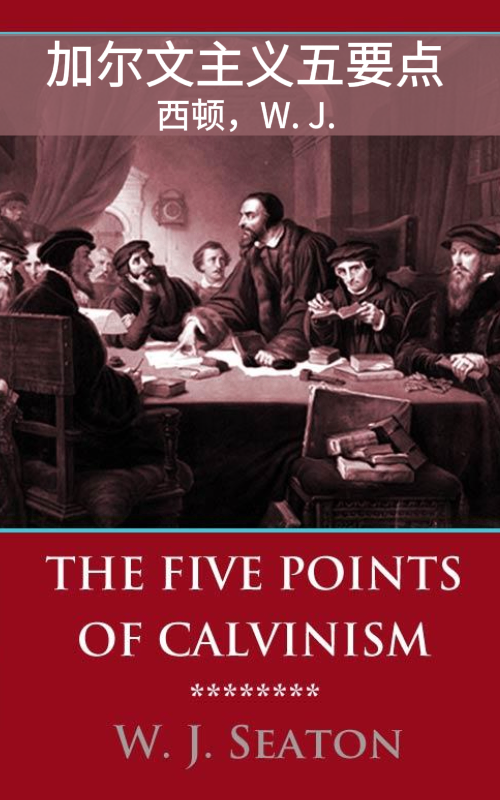
There is scarcely another word that arouses such suspicion, mistrust, and even animosity among professing Christians as the word Calvinism.
在自称基督徒的人当中,几乎没有哪个词能像“加尔文主义”一词那样,引起如此大的怀疑、不信任,甚至敌意。
And yet much of the zeal that is levelled against this system and those who hold and preach it is most certainly a zeal which is not according to knowledge.
然而,许多针对这一体系以及持守和传讲它的人的热心,几乎可以肯定是一种没有真知识的热心。
The following articles are written in the hope that much of the abuse that is hurled at the Calvinistic system of theology will be withdrawn, and that the truth of that great teaching, which was the backbone of our fathers in the faith, and the strength of the church in a far more glorious era than our own, will be clearly seen.
写下以下这些文章,是希望许多对加尔文主义神学体系的辱骂能够被收回,并且那伟大教导的真理能被清楚地看见,这教导曾是我们信仰先辈的脊梁,也是教会远比我们自己时代更荣耀之时期的力量。
Introduction
引言
We must take our starting point in Holland in the year 1610.
我们必须从1610年的荷兰说起。
James Arminius, a Dutch professor) had just died and his teaching had been formulated into five main points of doctrine by his followers — known as Arminians.
荷兰教授雅各布斯·阿米尼乌斯(James Arminius)刚刚去世,他的教导被其追随者——被称为阿米尼乌斯派(Arminians)的人——阐述为五大教义要点。
Up to this point, the churches of Holland, in common with the other major Protestant churches of Europe, had subscribed to the Belgic and Heidelberg Confessions of Faith, which were both set squarely on Reformation teachings.
至此,荷兰的众教会,与欧洲其他主要的新教教会一样,都认同比利时信条(Belgic Confession of Faith)和海德堡要理问答(Heidelberg Confessions of Faith),这两者都坚实地建立在宗教改革的教导之上。
The Arminians wanted to change this position, however, and they presented their five points in the form of a Remonstrance — or protest — to the Dutch Parliament.
然而,阿米尼乌斯派想要改变这一立场,他们以《抗辩书》(Remonstrance)——即抗议书——的形式,向荷兰议会提出了他们的五点主张。
The Five Points of Arminianism were, broadly speaking, as follows:
阿米尼乌斯主义的五大要点,概括来说,如下:
Free will, or human ability.
自由意志,或人的能力。
This taught that man, although affected by the Fall, was not totally incapable of choosing spiritual good, and was able to exercise faith in God in order to receive the gospel and thus bring himself into possession of salvation.
这教导说,人虽然受到堕落的影响,但并非完全没有能力选择属灵的善,并且能够运用对神的信心来接受福音,从而使自己得着救恩。
Conditional election.
有条件的拣选。
This taught that God laid His hands upon those individuals who, He knew – or foresaw – would respond to the gospel.
这教导说,神将祂的手放在那些祂知道——或预见——会回应福音的个人身上。
God elected those that He saw would want to be saved of their own free will and in their natural fallen state — which was, of course, according to the first point of Arminianism, not completely fallen anyway.
神拣选了那些祂看到会凭自己的自由意志,并在他们天然堕落状态下愿意得救的人——当然,根据阿米尼乌斯主义的第一点,这种状态无论如何都不是完全堕落的。
Universal redemption, or general atonement.
普世的救赎,或普遍的代赎。
This taught that Christ died to save all men; but only in a potential fashion.
这教导说,基督为拯救所有人而死;但这只是一种潜在的方式。
Christ’s death enabled God to pardon sinners, but only on condition that they believed.
基督的死使神能够赦免罪人,但条件是他们必须相信。
The work of the Holy Spirit in regeneration limited by the human will.
圣灵在重生中的工作受到人意志的限制。
This taught that the Holy Spirit, as He began to work to bring a person to Christ, could be effectually resisted and His purposes frustrated.
这教导说,当圣灵开始动工,要带领一个人归向基督时,祂的工可能会被有效地抗拒,祂的目的也可能受挫。
He could not impart life unless the sinner was willing to have this life imparted.
祂不能赐予生命,除非罪人愿意让这生命被赐予。
Falling from grace.
从恩典中堕落。
This taught that a saved man could fall finally from salvation.
这教导说,一个得救的人最终可能会从救恩中堕落。
It is, of course, the logical and natural outcome of the system.
当然,这是该体系合乎逻辑和自然的结果。
If man must take the initiative in his salvation, he must retain responsibility for the final outcome.
如果人必须在自己的救恩中采取主动,他就必须为最终的结果保留责任。
The Five Points of Arminianism were presented to the State and a National Synod of the church was called to meet in Dort in 1618 to examine the teaching of Arminius in the light of the Scriptures.
阿米尼乌斯主义的五大要点被提交给国家,教会于1618年在多特(Dort)召开了一次全国性的宗教会议,以根据圣经来审查阿米尼乌斯的教导。
The Synod of Dort sat for 154 sessions over a period of seven months, but at the end could find no ground on which to reconcile the Arminian viewpoint with that expounded in the Word of God.
多特会议在七个月的时间里共举行了154次会议,但最终找不到任何根据可以将阿米尼乌斯派的观点与神话语中所阐述的观点调和。
Reaffirming the position so unmistakably put forth at the Reformation, and formulated by the French theologian John Calvin, the Synod of Dort formulated its Five Points of Calvinism to counter the Arminian system.
多特会议重申了在宗教改革中明确提出的立场,并由法国神学家约翰·加尔文(John Calvin)所阐述,制定了其加尔文主义五大要点,以反驳阿米尼乌斯体系。
These are sometimes set forth in the form of an acrostic on the word “TULIP”, as follows:
这些要点有时会以“TULIP”(郁金香)这个词的首字母缩写形式呈现,如下:
T Total Depravity (i.e. Total Inability)
T 全然败坏(即全然无能为力)
U Unconditional Election
U 无条件的拣选
L Limited Atonement (i.e. Particular Redemption)
L 限定的代赎(即特定的救赎)
I Irresistible Calling
I 不可抗拒的呼召
P Perseverance of the Saints
P 圣徒的坚忍
As can be readily seen, these set themselves in complete opposition to the Five Points of Arminianism.
可以轻易看出,这些要点与阿米尼乌斯主义的五大要点完全对立。
Man is totally unable to save himself on account of the Fall in the Garden of Eden being a total fall.
由于伊甸园的堕落是全然的堕落,人完全没有能力拯救自己。
If unable to save himself, then God must save.
如果人无力自救,那么神必须拯救。
If God must save, then God must be free to save whom He will.
如果神必须拯救,那么神必有自由拯救祂所意愿的人。
if God has decreed to save whom He will, then it is for those that Christ made atonement on the Cross.
如果神已经命定要拯救祂所意愿的人,那么基督在十字架上就是为那些人成就了代赎。
If Christ died for them, then the Holy Spirit will effectually call them into that salvation.
如果基督为他们而死,那么圣灵必将有效地呼召他们进入那救恩。
If salvation then from the beginning has been of God, the end will also be of God and the saints will persevere to eternal joy.
因此,如果救恩从起初就出于神,那么结局也必出于神,圣徒们将坚忍到底,进入永恒的喜乐。
These are the so-called Five Points of Calvinism.
这些就是所谓的加尔文主义五大要点。
We shall now proceed to examine them in more detail, firmly based as they are upon the Word of God, and held tenaciously by our forbears in “the faith once delivered to the saints”.
我们现在将更详细地审视它们,它们坚实地建立在神的话语之上,并被我们“一次交付圣徒的真道”中的先辈们坚韧地持守。
For that faith we are to contend earnestly.
为那真道,我们当竭力地争辩。
We shall see the truth of what Charles Haddon Spurgeon meant when he declared, “It is no novelty, then, that I am preaching; no new doctrine. I love to proclaim those strong old doctrines that are nicknamed Calvinism, but which are surely and verily the revealed truth of God as it is in Christ Jesus.”
我们将看到查尔斯·哈登·司布真(Charles Haddon Spurgeon)所言的真理,他宣称:“我所传讲的,并非新奇之事;不是新的教义。我喜爱宣告那些被戏称为加尔文主义的强有力的古老教义,但它们确确实实是神在基督耶稣里所启示的真理。”
TOTAL DEPRAVITY
全然败坏
As we come to consider the first of the five main points of Calvinism, surely the thing that should impress us is the fact that this system begins with something that must be fundamental in the matter of salvation, and that is, a correct assessment of the condition of the one who is to be saved.
当我们开始思考加尔文主义五大要点的第一点时,肯定应该给我们留下深刻印象的是,这个体系始于一个在救恩问题上必须是根本性的事物,那就是,对将要被拯救之人的状况的正确评估。
If we have deficient and light views about sin, then we are liable to have defective views regarding the means necessary for the salvation of the sinner.
如果我们对罪有不足和轻率的看法,那么我们很可能会对拯救罪人所必需的方法有错误的看法。
If we believe that the fall of man in the Garden of Eden was merely partial, then we shall most likely be satisfied with a salvation that is attributable, partly to man, and partly to God.
如果我们相信人在伊甸园的堕落只是部分的,那么我们很可能就会满足于一个部分归因于人、部分归因于神的救恩。
How full of common sense are the words of J. C. Ryle on this subject!
J. C. 莱尔(J. C. Ryle)关于这个主题的话是多么充满常识啊!
“There are very few errors and false doctrines,” he says, “of which the beginning may not be traced up to unsound views about the corruption of human nature.
他说:“很少有错误和虚假的教义,其开端不能追溯到对人性的败坏有不健全的看法。”
Wrong views of a disease will always bring with them wrong views of a remedy.
对疾病的错误看法总会带来对补救方法的错误看法。
Wrong views of the corruption of human nature will always carry with them wrong views of the grand antidote and cure of that corruption.”
对人性败坏的错误看法总会带来对那败坏的伟大解药和疗法的错误看法。”
Fully aware that this was the case, the theologians of the Reformation and those who formulated the Reformed teaching into these Five Points at the Synod of Dort, basing their findings firmly on the Scriptures, pronounced that man’s natural state is a state of total depravity and therefore, there was a total inability on the part of man to gain, or contribute to, his own salvation.
宗教改革的神学家和那些在多特会议上将改革宗教导阐述为这五大要点的人,完全意识到这一点,他们将自己的发现坚实地建立在圣经之上,宣称人的自然状态是全然败坏的状态,因此,人在获得或促成自己的救恩方面是全然无能为力的。
When Calvinists speak of total depravity, however, they do not mean that every man is as evil as he could possibly be, nor that man is unable to recognise the will of God; nor yet, that he is unable to do any good towards his fellow man) or even give outward allegiance to the worship of God.
然而,当加尔文主义者谈到全然败坏时,他们并非指每个人都坏到了极点,也不是指人无法认识神的旨意;更不是指他不能对同胞行任何善,甚至不能在表面上效忠于对神的敬拜。
What they do mean is that when man fell in the Garden of Eden he fell in his “totality”.
他们的意思是,当人在伊甸园堕落时,他是“整体地”堕落了。
The whole personality of man has been affected by the Fall, and sin extends to the whole of the faculties — the will, the understanding, the affections and all else.
人的整个人格都受到了堕落的影响,罪延伸到全部官能——意志、理智、情感和其他一切。
We believe this to be irrefutably taught by the Word of God to which we now refer.
我们相信这是神的话语无可辩驳地教导的,我们现在就来参考它。
The following are merely a selection of the Scriptures that confirm the Calvinistic teaching of total depravity.
以下只是证实加尔文主义关于全然败坏教导的部分经文选录。
The Bible teaches with absolute clarity that man, by nature, is DEAD: “Wherefore, as by one man sin entered into the world, and death by sin; and so death passed upon all men, for that all have sinned.”
圣经以绝对清晰的方式教导,人按其本性是死的:“这就如罪是从一人入了世界,死又是从罪来的;于是死就临到众人,因为众人都犯了罪。”
[Rom 5.12].
[罗马书 5:12]。
It tells us that men are BOUND: “In meekness instructing those that oppose themselves; if God peradventure will give them repentance to the acknowledging of the truth; and that they may recover themselves out of the snare of the devil, who are taken captive by him at his will.”
它告诉我们人是被捆绑的:“用温柔劝戒那抵挡的人;或者神给他们悔改的心,可以明白真道,叫他们这已经被魔鬼任意掳去的,可以醒悟,脱离他的网罗。”
[2 Tim 2.25 f].
[提摩太后书 2:25 及后文]。
It shows us that men are BLIND AND DEAF:”. . . but unto them that are without, all these things are done in parables; that seeing they may see and not perceive, and hearing they may hear and not understand.”
它向我们显明人是瞎眼和耳聋的:“……但对外人讲,凡事就用比喻,叫他们看是看见,却不晓得;听是听见,却不明白。”
[Mark 4.1 if].
[马可福音 4:11 及后文]。
It shows us that we are UNINSTRUCTABLE: “But the natural man receiveth not the things of the Spirit of God; for they are foolishness unto him; neither can he know then”, because they are spiritually discerned.”
它向我们显明我们是无法被教导的:“然而,属血气的人不领会神圣灵的事,反倒以为愚拙,并且不能知道,因为这些事惟有属灵的人才能看透。”
[1 Cor 2.14].
[哥林多前书 2:14]。
The Bible speaks of us as being NATURALLY SINFUL: [i] By Birth: “Behold, I was shapen in iniquity, and in sin did my mother conceive me.”
圣经说我们生来就有罪:[i] 出生时:“看哪,我是在罪孽里生的,在我母亲怀胎的时候就有了罪。”
[Ps 51.5].
[诗篇 51:5]。
[ii] By Practice:
[ii] 实践中:
“And God saw that the wickedness of man was great upon the earth, and that every imagination of the thoughts of his heart was only evil continually.”
“耶和华见人在地上罪恶很大,终日所思想的尽都是恶。”
[Gen 6.5].
[创世记 6:5]。
This then, is man’s natural state.
这就是人的自然状态。
We must ask, then: Can the DEAD raise themselves?
那么,我们必须问:死人能使自己复活吗?
Can the BOUND free themselves?
被捆绑的能使自己得自由吗?
Can the BLIND give themselves sight, or the DEAF hearing?
瞎眼的能使自己看见,或耳聋的能使自己听见吗?
Can the SLAVES redeem themselves?
奴隶能救赎自己吗?
Can the UNINSTRUCTABLE teach themselves?
无法被教导的能教导自己吗?
Can the NATURALLY SINFUL change themselves?
生来有罪的能改变自己吗?
Surely not I “Who can bring a clean thing out of an unclean?”
当然不能!“谁能使洁净之物出于污秽之中呢?”
asks Job; and he answers, “Not one!”
约伯问道;他回答说:“无论谁也不能!”
[Job 14.4].
[约伯记 14:4]。
“Can the Ethiopian change his skin, or the leopard his spots?”
“古实人岂能改变皮肤呢?豹岂能改变斑点呢?”
asks Jeremiah; “If they can,” he concludes, “then may ye also do good, that are accustomed to do evil.”
耶利米问道;他总结说:“若能,你们这习惯行恶的便能行善了。”
[Jer 13.23].
[耶利米书 13:23]。
Could the Word of God show more plainly than it does that the depravity is total?
神的话语岂能比现在更清楚地显明这败坏是全然的吗?
and that our inability to desire or procure salvation is also total?
以及我们渴望或获得救恩的无能也是全然的吗?
The picture is one of death — spiritual death.
这幅图景是死亡的图景——属灵的死亡。
We are like Lazarus in his tomb; we are bound hand and foot; corruption has taken hold upon us.
我们就像坟墓里的拉撒路;我们手脚被捆绑;败坏已经抓住我们。
Just as there was no glimmer of life in the dead body of Lazarus, so there is no “inner receptive spark” in our hearts.
正如拉撒路死去的身体里没有一丝生命的微光,我们心中也没有“内在的接受火花”。
But the Lord performs the miracle — both with the physically dead, and the spiritually dead; for “you hath he quickened — made alive — who were dead in trespasses and sins.”
但主施行神迹——既对肉身已死的人,也对灵性已死的人;因为“你们死在过犯罪恶之中,祂叫你们活过来。”
[Eph 2.1].
[以弗所书 2:1]。
Salvation, by its very nature, must be “of the Lord.”
救恩,就其本质而言,必须是“出于耶和华”。
UNCONDITIONAL ELECTION
无条件的拣选
Our acceptance or rejection of total depravity as a true Biblical statement of man’s condition by nature will largely determine our attitude towards the next point that came under review at the Synod of Dort.
我们接受或拒绝全然败坏作为对人本性状况的真实圣经陈述,将在很大程度上决定我们对多特会议上审议的下一点的态度。
Unconditional election is well set forth in the Baptist Confession of Faith of 1689, which we here quote as a convenient summary.
无条件的拣选在1689年的浸信会信仰告白中有很好的阐述,我们在此引用作为方便的总结。
It is also stated in almost identical terms in the Westminster Confession and the Thirty-Nine Articles of the Church of England and all the major confessions.
在威斯敏斯特信条、英国国教会的三十九条信纲以及所有主要信条中,它也以几乎相同的措辞被陈述。
“Those of mankind who are predestinated unto life,” says the Baptist Confession, “God, before the foundation of the world was laid, according to His eternal and immutable purpose, and the secret counsel and good pleasure of His will, hath chosen in Christ unto everlasting glory, out of His mere free grace and love, without any other thing in the creature as a condition or cause moving Him thereunto.”
浸信会信条说:“那些被预定得永生的人,神在创世以前,按照祂永恒不变的目的,以及祂意志的奥秘计划和美意,已在基督里拣选他们得永恒的荣耀,这完全是出于祂白白的恩典和爱,没有任何受造物里面的东西作为条件或原因来促使祂这样做。”
[Chapter 3, Article 5].
[第三章,第五条]。
The doctrine of unconditional election follows naturally from the doctrine of total depravity.
无条件拣选的教义自然地从全然败坏的教义中产生。
If man is, indeed, dead and held captive, and blind etc., then the remedy for all these conditions must lie outside man himself [that is, with God].
如果人确实是死的、被掳的、瞎眼的等等,那么对所有这些状况的补救方法必须在于人自身之外[也就是,在于神]。
We asked in the last chapter: “Can the dead raise themselves?”
我们在上一章问道:“死人能使自己复活吗?”
and the answer must inevitably be: “of course not.”
答案必然是:“当然不能。”
If, however, some men and women are raised out of their spiritual death — “born again” as John’s Gospel puts it — and since they are unable to perform this work for themselves, then we must conclude that it was God who raised them.
然而,如果一些男女从他们的属灵死亡中被复活——正如约翰福音所说的“重生”——并且既然他们无法为自己完成这项工作,那么我们必须断定是神使他们复活。
On the other hand, as many men and women are not “made alive”, we must likewise conclude that that is because God has not raised them.
另一方面,由于许多男女没有“活过来”,我们也必须同样地断定那是因为神没有使他们复活。
If man is unable to save himself on account of the Fall in Adam being a total fall, and if God alone can save, and if all are not saved, then the conclusion must be that God has not chosen to save all.
如果由于亚当的堕落是全然的堕落,人无法自救,并且如果唯有神能拯救,又如果不是所有人都得救,那么结论必然是神没有拣选拯救所有的人。
This is no blind philosophy, but is drawn from, built upon, supported by, and revealed in the Scriptures of God.
这不是盲目的哲学,而是从神的圣经中汲取、建立于其上、为其所支持并被其所启示的。
The subject is one that is as vast as the ocean itself; but we can do no more than quote just a few key verses and scriptures that act as chart and compass across these mighty seas.
这个主题如海洋般浩瀚;但我们所能做的,不过是引用几个关键的经文和圣经段落,作为穿越这片浩瀚海洋的航海图和指南针。
The story of the Bible is the story of unconditional election.
圣经的故事就是无条件拣选的故事。
It is strange that those who oppose themselves to this doctrine fail to recognise this.
奇怪的是,那些反对这个教义的人没有认识到这一点。
Some believers have difficulty in believing that God could pass by some and choose others, and yet they have no apparent difficulty in believing that God called Abraham out of heathen Ur of the Chaldees and left the others to their heathenism.
一些信徒难以相信神会越过一些人而拣选另一些人,但他们似乎毫不困难地相信神从迦勒底的吾珥那个异教之地呼召了亚伯拉罕,却让其他人留在他们的异教信仰中。
Why should God choose the nation of Israel as His “peculiar people”?
神为何要拣选以色列民族作为祂“特选的子民”呢?
There is no need to speculate, for Deuteronomy 7.7 gives us the answer: “The Lord did not set his love upon you, nor choose you, because you were more in number than any people; for ye were the fewest of all people; but because the Lord loved you . . .”
无需猜测,因为申命记 7:7 给了我们答案:“耶和华专爱你们,拣选你们,并非因你们的人数多于别民,原来你们的人数在万民中是最少的;只因耶和华爱你们……”
Why should God, completely disregarding the family laws of Israel, choose the younger son Jacob, in place of the elder Esau?
神为何要完全不顾以色列的家族律法,拣选小儿子雅各,而不是长子以扫呢?
Again, “to the law and to the testimony”.
再次,“当以训诲和法度为标准”。
Romans 9.11-13: “. . . that the purpose of God according to election might stand . . . Jacob have I loved but Esau have I hated.”
罗马书 9:11-13:“……为要显明神拣选人的旨意……雅各是我所爱的,以扫是我所恶的。”
What was the doctrine that Jesus preached in the synagogue at Nazareth but the doctrine of unconditional election?
耶稣在拿撒勒的会堂里所传讲的教义,岂不就是无条件拣选的教义吗?
“And I tell you, many widows were in Israel in the days of Elias . . . but unto none of them was Elias sent save unto a woman of Sarepta. . . and many lepers were in Israel in the days of Eliseus . . . and none of them was cleansed saving Naaman the Syrian.”
“我实在告诉你们,当以利亚的时候……在以色列中有许多寡妇……以利亚并没有奉差往她们一个人那里去,只奉差往撒勒法的妇人那里去……又有许多长大痲疯的在以色列……但除了叙利亚的乃缦,没有一个得洁净的。”
[Luke 4.25-27].
[路加福音 4:25-27]。
We know the outcome of our Lord’s preaching of that message: “They led him to the brow of the hill that they might cast him down headlong.”
我们知道我们主传讲那信息的后果:“他们领祂到山崖,要把祂推下去。”
Lack of space forbids a full account of God’s sovereign choice of His people; but the truth is clear: “Ye have not chosen me, but I have chosen you” [John l5.6]; “Has not the potter power over the clay, to make one lump unto honour and another to dishonour”?
篇幅所限,无法详述神对祂子民的主权拣选;但真理是清楚的:“不是你们拣选了我,是我拣选了你们”[约翰福音 15:16];“窑匠难道没有权柄从一团泥里拿一块做成贵重的器皿,又拿一块做成卑贱的器皿吗?”
[Rom 9.21].
[罗马书 9:21]。
“I will have mercy on whom I will have mercy.”
“我要怜悯谁就怜悯谁。”
[Rom 9.15]; “Chosen in Christ from the foundation of the world,” “predestinated unto the adoption of children” [Eph 1.45]; and so on.
[罗马书 9:15];“从创立世界以前,在基督里拣选了我们”,“预定我们得儿子的名分”[以弗所书 1:4-5];等等。
We grant that there is a “kind of election” that is held by many believers today.
我们承认,今天许多信徒持有一种“某种拣选”的看法。
Broadly speaking this is based on Romans 8.29: “For whom he did foreknow, he also did predestinate, etc.”
总的来说,这是基于罗马书 8:29:“因为祂预先所知道的人,就预先定下……”
The case runs something like this: God foresaw those who were going to accept Christ, and therefore He “elected” them to eternal life.
情况大概是这样的:神预见到了那些将要接受基督的人,因此祂“拣选”他们得永生。
Against this view we point out that:
针对这一观点,我们指出:
God’s foreknowledge is spoken of in connection with a people and not in connection with any action which people performed.
神的预知是就一个民族而言的,而不是就人们所行的任何行为而言。
The Scripture reads: “Whom he did foreknow” etc.
圣经写道:“祂预先所知道的人”等等。
Again God speaks thus through Amos: “You only have I known of all nations of the earth.”
神又藉着阿摩司如此说:“在地上万族中,我只认识你们。”
That is to say, irrespective of any action, good or had, performed by them, God “knew” them in the sense that He loved and chose them to be His own.
也就是说,不管他们行了什么行为,是好是坏,神“认识”他们,意思是祂爱他们,拣选他们作自己的子民。
It is thus that He foreknew His elect.
祂就是这样预知祂的选民。
It will not do to say that God elected us because He saw something that we would do — that is, accept His Son.
说神拣选我们是因为祂看到我们会做什么——即接受祂的儿子——这是站不住脚的。
We are not chosen because we perform such a holy work as “accepting” Christ, but we are chosen so that we might be able to “accept” Him.
我们不是因为我们行了像“接受”基督这样圣洁的工作而被拣选,而是我们被拣选,以便我们能够“接受”祂。
“For we are his workmanship, created in Christ Jesus unto good works, which God hath before ordained that we should walk in them.”
“我们原是祂的工作,在基督耶稣里造成的,为要叫我们行善,就是神所预备叫我们行的。”
[Eph 2.10].
[以弗所书 2:10]。
Neither will it do to say that God foresaw those who would believe.
说神预见到了那些将会相信的人,也是站不住脚的。
Acts 13.48 makes this abundantly clear: “And as many as were ordained to eternal life believed.”
使徒行传 13:48 清楚地说明了这一点:“凡预定得永生的人都信了。”
Election is not on account of our believing, but our believing is on account of our being elected — “ordained to eternal life.”
拣选不是因为我们相信,而是我们相信是因为我们被拣选——“预定得永生”。
Again, to say that we exercised faith in accepting Christ, and that God foresaw this faith, and, therefore, elected us, only drives us a step further back; for, where did we get the faith to exercise?
再者,说我们运用信心接受基督,神预见到了这信心,因此拣选了我们,这只是把我们往后推了一步;因为,我们从哪里得到可以运用的信心呢?
The Scriptures provide the answer: “It is the gift of God, not of ourselves.”
圣经提供了答案:“这是神所赐的,不是出于自己。”
Surely, instead of arguing against these things, we should be doing what the Holy Spirit through the apostle Peter commands us to do: “Give diligence to make your calling and election sure.”
当然,我们不应该争论这些事,而应该做圣灵藉着使徒彼得命令我们做的事:“应当更加殷勤,使你们所蒙的恩召和拣选坚定不移。”
LIMITED ATONEMENT
限定的代赎
This third point not only brings us to the central point of the five, but also to the central fact of the gospel, that is, the purpose of Christ’s death on the Cross.
这第三点不仅带我们到五大要点的中心点,也带我们到福音的中心事实,那就是,基督在十字架上受死的目标。
This is not accidental.
这不是偶然的。
The theologians who had set themselves the task of defending the truths of the Protestant Reformation against the attacks of the Arminian party were following a Biblical and logical line in their formulations and had now arrived at the very pivot of salvation.
那些致力于捍卫新教改革真理,以抵挡阿米尼乌斯派攻击的神学家们,在他们的阐述中遵循了圣经和逻辑的路线,现在已经到达了救恩的关键枢纽。
First of all, they had asked, “Who is to be saved?”
首先,他们问道:“谁将得救?”
The answer was “Man”.
答案是“人”。
But the Bible’s teaching with regard to man showed that man, in his natural state, is totally unable to save himself.
但圣经关于人的教导表明,人在其自然状态下,完全没有能力拯救自己。
Thus, we have the teaching of the Bible on man set under the general heading of total depravity, or total inability.
因此,我们将圣经关于人的教导归于全然败坏或全然无能为力的大标题下。
Secondly, as some men and women are undoubtedly saved, then it must have been God Himself who had saved them in contra-distinction to the rest of mankind.
其次,既然有些男女无疑是得救的,那么必然是神自己拯救了他们,以区别于其余的人类。
This is election: “That the purpose of God according to election might stand . . .”
这就是拣选:“为要显明神拣选人的旨意……”
[Rom 9.11].
[罗马书 9:11]。
However, this election only “marked the house to which salvation should travel,” as Spurgeon puts it, and a full and perfect and satisfactory atonement was still required for the sins of the elect, so that God might be, not only a Saviour, but “a just God, and a Saviour.”
然而,正如司布真所说,这种拣选只是“标出了救恩将要临到的房屋”,对于选民的罪,仍然需要一个完全、完美且令人满意的代赎,好叫神不仅是一位救主,而且是“一位公义的神,又是一位救主”。
This atonement, as we all acknowledge, was accomplished through Christ’s voluntary submission to the death on the Cross where He suffered under the justice of this just God, and procured the salvation that he as Saviour had ordained.
我们都承认,这代赎是通过基督自愿顺服于十字架上的死而完成的,祂在那里承受了这位公义之神的公义审判,并获得了祂作为救主所命定的救恩。
On the Cross, then — and, no doubt, we all accept this — Christ bore punishment, and procured salvation.
那么,在十字架上——无疑,我们都接受这一点——基督担当了刑罚,并获得了救恩。
The question now arises: whose punishment did He bear, and whose salvation did He procure?
现在问题来了:祂担当了谁的刑罚,又为谁获得了救恩?
There are three avenues along which we can travel with regard to this:
关于这一点,我们可以走三条路:
Christ died to save all men without distinction.
基督为拯救所有的人而死,不加区别。
Christ died to save no one in particular.
基督的死并非为了拯救任何特定的人。
Christ died to save a certain number.
基督为拯救特定数目的人而死。
The first view is that held by “Universalists,” namely, Christ died to save all men, and so, they very logically assume, all men will be saved.
第一种观点是“普救论者”所持的,即,基督为拯救所有的人而死,因此,他们非常合乎逻辑地假设,所有的人都将得救。
If Christ has paid the debt of sin, has saved, ransomed, given His life for all men, then all men will be saved.
如果基督已经付清了罪的债,已经拯救、赎回、为所有的人舍命,那么所有的人都将得救。
The second view is the “Arminian” one, that Christ procured a potential salvation for all men.
第二种观点是“阿米尼乌斯派”的观点,即基督为所有的人获得了一种潜在的救恩。
Christ died on the Cross, this view says, but although he paid the debt of our sin, his work on the Cross does not become effectual until man “decides for” Christ and is thereby saved.
这种观点说,基督死在十字架上,但尽管祂付了我们罪的债,祂在十字架上的工作,直到人“决志信”基督并因此得救时,才变得有效。
The third view of the Atonement is the “Calvinistic” one, and it says that Christ died positively and effectually to save a certain number of hell-deserving sinners on whom the Father had already set His free electing love.
代赎的第三种观点是“加尔文主义”的观点,它说基督积极而有效地为拯救一定数量配得地狱的罪人而死,父早已将祂白白的拣选之爱放在这些人身上。
The Son pays the debt for these elect ones, makes satisfaction for them to the Father’s justice, and imputes His own righteousness to them so that they are complete in Him.
子为这些选民付清了罪债,为他们满足了父的公义,并将祂自己的义归于他们,使他们在祂里面得以完全。
Christ’s death, then, could only have been for one of these three reasons: to save all; to save no one in particular; to save a particular number.
那么,基督的死只能是出于这三个原因之一:拯救所有人;不拯救任何特定的人;拯救特定数量的人。
The third view is that which is held by the Calvinist and is generally called limited atonement, or particular redemption.
第三种观点是加尔文主义者所持的,通常被称为限定的代赎,或特定的救赎。
Christ died to save a particular number of sinners; that is, those “chosen in him before the foundation of the world” [Eph 1.4]; those whom the Father had “given him out of the world” [John 17.9]; those for whom He Himself said He shed His blood: “This is my blood of the new covenant, which is shed for many, for the remission of sins” [Matt 26.28].
基督为拯救特定数量的罪人而死;也就是,那些“从创立世界以前,在祂里面被拣选的人”[以弗所书 1:4];那些父“从世界中赐给祂的人”[约翰福音 17:6];那些祂亲自说为他们流血的人:“这是我立约的血,为多人流出来,使罪得赦”[马太福音 26:28]。
This last view, we claim, does justice to the purpose of Christ’s coming to this earth to die on the Cross.
我们主张,这最后的观点,恰当地说明了基督来到这世上,死在十字架上的目的。
“Thou shalt call his name Jesus, for he shall save his people from their sins.”
“你要给祂起名叫耶稣,因祂要将自己的百姓从罪恶里救出来。”
Not the Jews, surely, for the Jews are not saved as a people.
当然不是指犹太人,因为犹太人作为一个民族并没有得救。
Jesus “loved the church, and gave himself for it” [Eph 5.25].
耶稣“爱教会,为教会舍己”[以弗所书 5:25]。
“He was delivered for our offences, and raised again for our justification” [Rom. 4.25].
“祂被交给人,是为我们的过犯;复活,是为叫我们称义”[罗马书 4:25]。
Whom does the Holy Spirit mean when He says, “Our”?
当圣灵说“我们”时,祂指的是谁?
The world?
世界吗?
If so, then the Universalist is right, for Christ was, then, “delivered for [the world’s] offences and raised again for [the world’s] justification”, so the world is justified before God.
如果是这样,那么普救论者就是对的,因为基督那时是“为[世界的]过犯被交出,又为[世界的]称义而复活”,所以世界在神面前被称义了。
“As in Adam all die, so in Christ shall all be made alive” [1 Cor 15.22].
“在亚当里众人都死了,照样,在基督里众人也都要复活”[哥林多前书 15:22]。
This again can only mean that all of Adam’s posterity die in Adam, as indeed they do, for “death has passed upon all men”; but all of Christ’s posterity — the Church that He gave Himself for — are made alive in Him.
这只能再次意味着,所有亚当的后裔都在亚当里死了,正如他们确实死了,因为“死临到了众人”;但所有基督的后裔——祂为之舍己的教会——都在祂里面活了过来。
Why is this?
这是为什么?
Surely, it is because He gave Himself for them!
当然,这是因为祂为他们舍了自己!
“By his knowledge shall my righteous servant justify many, for he shall bear their iniquities” [Is 53.11].
“我的义仆必凭自己的知识使许多人得称为义,并且祂要担当他们的罪孽”[以赛亚书 53:11]。
And when He accomplishes this as He hangs upon the Cross, says the prophet Isaiah in that great chapter 53 of his prophecy, He sees “of the travail of his soul and shall be satisfied.”
当祂在十字架上成就这事时,以赛亚先知在他那伟大的第53章预言中说,祂必看见“自己劳苦的功效,便心满意足”。
The travail of His soul as He pours out His soul an offering for our sin shall bear spiritual children to the praise of His name, and He shall be satisfied when He sees this work accomplished.
当祂倾倒自己的灵魂作为我们罪的祭物时,祂灵魂的劳苦将结出属灵的儿女,来赞美祂的名,当祂看到这工作完成时,祂将心满意足。
We do not overlook the fact that there are some Scriptures which refer to the “world”, and many have taken these as their starting point in the question of Redemption.
我们不忽视有些经文提到了“世界”,许多人以此作为他们讨论救赎问题的起点。
However, when we compare scripture with scripture, we see that the use of the word “world” need not imply “every man and woman in the world.”
然而,当我们以经解经时,我们看到“世界”一词的使用未必意味着“世上的每一个人”。
“Behold, the world has gone alter him,” they said of Jesus; every person, however, had not “gone after” Christ.
他们论到耶稣说:“看哪,世人都随从祂去了”;然而,并非每一个人都“随从”了基督。
The expression means “every kind of person” — and normally Gentile as well as Jew.
这个表达的意思是“各种各样的人”——通常是外邦人和犹太人。
The over-riding question must always be the Divine intention; did God intend to save all men, or did He not?
压倒一切的问题必须永远是神的旨意;神是打算拯救所有的人,还是不打算?
If He did not intend to save all men without exception but only the elect, then, the work of Christ on the Cross is a glorious success, and we right well believe: “All that the Father giveth me shall come to me . . .”
如果祂不打算无一例外地拯救所有的人,而只拯救选民,那么,基督在十字架上的工作就是一次荣耀的成功,我们完全可以相信:“凡父所赐给我的人,必到我这里来……”
[John 6.37].
[约翰福音 6:37]。
If, on the other hand, it was God’s intention to save the entire world, then the atonement of Christ has been a great failure, for vast numbers of mankind have not been saved.
另一方面,如果神的意图是拯救整个世界,那么基督的代赎就是一次巨大的失败,因为大量的人类没有得救。
Christ paid our debt!
基督付了我们的债!
Whose debt?
谁的债?
The world’s, or the elect’s?
世界的,还是选民的?
Surely, if a man has been redeemed by a redeemer, then the law which he has broken must be satisfied by reason of the work of the Surety on his behalf.
当然,如果一个人被一位救赎主所救赎,那么他所违背的律法,必须因着担保人为他所作的工作而得到满足。
If Thou hast my discharge procured,
若你已为我取得释放,
And freely in my place endured
并甘心在我位上忍受
The whole of wrath Divine;
神全部的烈怒;
Payment God will not twice demand,
神不会要求两次偿还,
First at my bleeding Surety’s hand,
先从我流血的担保人手中,
And then again at mine.
然后再从我手中。
IRRESISTIBLE GRACE
不可抗拒的恩典
This fourth point of the Calvinistic system of belief is, once again, the logical outcome of all that has gone before it.
加尔文主义信仰体系的这第四点,再次是前面所有内容合乎逻辑的结果。
If men are unable to save themselves on account of their fallen nature, and if God has purposed to save them, and Christ has accomplished their salvation, then it logically follows that God must also provide the means for calling them into the benefits of that salvation which He has procured for them.
如果人因其堕落的本性而无法自救,如果神定意要拯救他们,并且基督已经完成了他们的救恩,那么合乎逻辑的推论就是,神也必须提供方法,来呼召他们进入祂为他们所获得的救恩的益处中。
The Calvinistic system of theology, however, although soundly logical, is more than a system of mere logic.
然而,加尔文主义神学体系,虽然逻辑严谨,却不仅仅是一个纯逻辑的体系。
It is a system of pure Biblical belief which stands firmly on the Word of God.
它是一个纯粹基于圣经信仰的体系,坚实地立于神的话语之上。
Its doctrine of irresistible grace, then, is not devised by the men who drew up the Five Points of Calvinism at the Synod of Dort, but is the revelation unfolded in God’s Holy Word.
因此,其不可抗拒的恩典的教义,并非由在多特会议上制定加尔文主义五大要点的人所设计,而是神圣言中所展开的启示。
For example, Romans 8.20: “Moreover, whom he did predestinate, them he also called.”
例如,罗马书 8:30:“预先所定下的人又召他们来。”
God not only elected men and women to salvation; He also called those whom it pleased Him to elect.
神不仅拣选男女得救;祂也呼召那些祂乐意拣选的人。
What is meant by irresistible grace?
不可抗拒的恩典是什么意思?
We know that when the gospel call goes out in a church, or in the open air, or through reading God’s Word, not everyone heeds that call.
我们知道,当福音的呼召在教会里、在户外、或通过阅读神的话语发出时,不是每个人都听从那呼召。
Not everyone becomes convinced of sin and his need of Christ.
不是每个人都为罪自责,并认识到自己需要基督。
This explains the fact that there are two calls.
这解释了存在两种呼召的事实。
There is not only an outward call; there is also an inward call.
不仅有外在的呼召;也有内在的呼召。
The outward call may be described as “words of the preacher”, and this call, when it goes forth, may work a score of different ways in a score of different hearts producing a score of different results.
外在的呼召可以被描述为“传道人的话”,这个呼召发出时,可能会在二十颗不同的心中以二十种不同的方式作工,产生二十种不同的结果。
One thing it will not do, however; it will not work a work of salvation in a sinner’s soul.
然而,有一件事它不会做;它不会在一个罪人的灵魂里作成救恩的工作。
For a work of salvation to be wrought the outward call must be accompanied by the inward call of God’s Holy Spirit, for He it is who “convinces of sin, and righteousness, and judgment.”
要作成救恩的工作,外在的呼召必须伴随着神圣灵内在的呼召,因为正是祂“叫人为罪、为义、为审判,自己责备自己”。
And when the Holy Spirit calls a man, or a woman, or a young person by His grace, that call is irresistible: it cannot be frustrated; it is the manifestation of God’s irresistible grace.
当圣灵用祂的恩典呼召一个男人、女人或年轻人时,那呼召是不可抗拒的:它不能被挫败;它是神不可抗拒恩典的彰显。
This is substantiated again and again in God’s Word of Life, as for example in the following verses and portions.
这在神的生命之道中被一次又一次地证实,例如在以下的经文和段落中。
“All that the Father giveth me shall come to me, and him that cometh to me I will in no wise cast out” [John 6.37].
“凡父所赐给我的人,必到我这里来;到我这里来的,我总不丢弃他”[约翰福音 6:37]。
Note that it is those whom the Father has “given to Christ” — the elect — that “shall come” to Him; and when they come to Him they will not be “cast out”.
请注意,是那些父“赐给基督”的人——即选民——“必到”祂这里来;当他们到祂这里来时,他们将不会被“丢弃”。
“No man can come to me except the Father which hath sent me draw him” [John 6.44].
“若不是差我来的父吸引人,就没有能到我这里来的”[约翰福音 6:44]。
Here our Lord is simply saying that it is impossible for men to come to Him of themselves; the Father must “draw” them.
在这里,我们的主只是说,人不可能凭自己来到祂面前;父必须“吸引”他们。
“Every man, therefore, that hath heard, and hath learned of the Father, cometh unto me” [John 6.45].
“凡听见父之教训又学习的,就到我这里来”[约翰福音 6:45]。
Men may hear the outward call; but it is those who have “learned of the Father” who will respond and come to Christ.
人可能会听到外在的呼召;但只有那些“从父学习”的人才会回应并来到基督面前。
So, with Simon Peter: “Blessed art thou Simon Bar-Jona, for flesh and blood hath not revealed it unto thee, but thy Father, which is in heaven.”
所以,对于西门·彼得也是如此:“西门·巴·约拿,你是有福的!因为这不是属血肉的指示你的,乃是我在天上的父指示的。”
“For as many as are led by the Spirit of God, they are the sons of God” [Rom 8.14].
“因为凡被神的灵引导的,都是神的儿子”[罗马书 8:14]。
“But when it pleased God, who separated me from my mother’s womb, and called me by His grace . . .”
“然而那把我从母腹里分别出来,又施恩召我的神……”
[Gal 1.15].
[加拉太书 1:15]。
“But ye are a chosen generation . . . that ye should show forth the praises of him who hath called you out of darkness into his marvellous light” [1 Pet 2.9].
“惟有你们是被拣选的族类……要叫你们宣扬那召你们出黑暗入奇妙光明者的美德”[彼得前书 2:9]。
“But the God of all grace, who hath called us unto his eternal glory by Christ Jesus . . .”
“但那赐诸般恩典的神,曾在基督里召你们,得享祂永远的荣耀……”
[1 Pet 5.10].
[彼得前书 5:10]。
One outstanding illustration of this teaching of irresistible grace, or effectual calling, is certainly the incident that we read in Acts 16.
关于不可抗拒的恩典或有效呼召这一教导,一个杰出的例证无疑是我们在使徒行传第16章读到的事件。
The apostle Paul preaches the gospel to a group of women by the riverside at Philippi; and as he does so, “a certain woman named Lydia heard us: whose heart the Lord opened, that she attended unto the things that were spoken of Paul.”
使徒保罗在腓立比的河边向一群妇女传福音;当他这样做时,“有一个卖紫色布匹的妇人,名叫吕底亚……主就开导她的心,叫她留心听保罗所讲的话。”
Paul, the preacher, spoke to Lydia’s ear — the outward call; but the Lord spoke to Lydia’s heart — the inward call of irresistible grace.
传道人保罗对吕底亚的耳朵说话——这是外在的呼召;但主对吕底亚的心说话——这是不可抗拒恩典的内在呼召。
Arminians believe that men and women can and do resist the call of God’s gospel, and, therefore, they contend, there can be no such doctrine as that of irresistible grace.
阿米尼乌斯派相信,男女能够并且确实抗拒神福音的呼召,因此,他们主张,不可能有像不可抗拒的恩典这样的教义。
We believe that not only can men and women resist God’s gospel, but that they do, and must by their very natures, resist it.
我们相信,男女不仅能够抗拒神的福音,而且他们确实抗拒,并且凭他们的本性必须抗拒。
Therefore there must be such a doctrine as the doctrine of irresistible grace.
因此,必须有像不可抗拒的恩典这样的教义。
In other words, some influence greater than our natures — greater than our resistance — must be brought to bear upon our souls, or else we are for ever doomed, for “the natural man receiveth not the things of the Spirit of God.”
换句话说,必须有某种比我们的本性更强大——比我们的抗拒更强大——的影响力作用于我们的灵魂,否则我们将永远沉沦,因为“属血气的人不领会神圣灵的事”。
There are three great forces at work in the matter of a man’s salvation:
在一个人的救恩问题上,有三种巨大的力量在起作用:
Man’s will.
人的意志。
The Devil’s will.
魔鬼的意志。
God’s will.
神的意志。
Which will be the victor?
哪一个会是胜利者?
If God’s will is not victorious in the matter of our salvation, then, the Devil’s will must be, for the devil is stronger than we are.
如果在我们救恩的事上,神的意志不是胜利者,那么,魔鬼的意志就必定是,因为魔鬼比我们更强大。
Thomas Watson, an old Puritan of the 17th century, puts the matter vividly in these words: “God rides forth conquering in the chariot of His Gospel. . . He conquers the pride of the heart, and makes the will which stood out as a Fort Royal against Him, to yield and stoop to His grace; He makes the stony heart bleed.
17世纪的老清教徒托马斯·华森(Thomas Watson)用这些话生动地阐述了这个问题:“神驾着祂福音的战车出征得胜……祂征服了内心的骄傲,使那曾像皇家堡垒一样抵挡祂的意志,降服并屈从于祂的恩典;祂使石心流血。”
Oh! it is a mighty call!
哦!这是一个大能的呼召!
Why then do some men seem to speak of a moral persuasion?
那么,为何有些人似乎在谈论道德劝说呢?
That God in the conversion of a sinner only morally persuades and no more?
即神在罪人悔改的过程中只作道德劝说,仅此而已?
If God in conversion should only morally persuade and no more, then He does not put forth so much power in saving men as the Devil does in destroying them.”
如果神在悔改中只作道德劝说,仅此而已,那么祂在拯救人时所施展的能力,就不如魔鬼在毁灭人时所施展的能力。”
Whose will shall be the victor?
谁的意志将是胜利者?
Our will?
我们的意志?
But does it not stand out, indeed, as “a fort royal” against the Lord; “Ye will not come unto me that ye might have life.”
但它岂不确实像“皇家堡垒”一样抵挡主吗;“你们不肯到我这里来得生命。”
The Devil’s will?
魔鬼的意志?
Then who will ever be saved, for his will must always be stronger than ours.
那么谁能得救呢?因为他的意志必定总是比我们的更强。
But surely this is the gospel, that “a stronger than the strong” appears, conquering and to conquer in the chariot of His gospel; and He does conquer!
但这肯定是福音,即“一个比那壮士更强的”出现,驾着祂福音的战车出征得胜;祂确实得胜了!
He conquers Satan, and He conquers puny man as well, to the praise of His irresistible grace.
祂征服了撒但,也征服了微不足道的人,为要赞美祂那不可抗拒的恩典。
PERSEVERANCE OF THE SAINTS
圣徒的坚忍
And now, to the final point — the perseverance of the saints.
现在,到最后一点——圣徒的坚忍。
Again, for the sake of summary, let us refer to the Baptist Confession, which agrees on this point with the other historic confessions of faith.
再次,为了总结,让我们参考浸信会信条,它在这一点上与其他历史性的信仰告白是一致的。
“Those whom God hath accepted in the Beloved,” it says, “effectually called and sanctified by His Spirit, and given the precious faith of His elect unto, can neither totally nor finally fall from the state of grace, but shall certainly persevere therein to the end, and be eternally saved, seeing the gifts and callings of God are without repentance. . . “
它说:“那些蒙神在爱子里所接纳,被祂的灵有效地呼召和分别为圣,并被赐予祂选民宝贵信心的人,既不能完全也不能最终从恩典的状态中堕落,而是必定在其中坚忍到底,并永远得救,因为神的恩赐和选召是没有后悔的……”
Again let us show that this is exactly what the Scriptures teach us.
让我们再次表明,这正是圣经所教导我们的。
“For whom he did foreknow, he also did predestinate to be conformed to the image of his Son, that he might be the firstborn among many brethren. Moreover, whom he did predestinate, them he also called: and whom he called, them he also justified: and whom he justified, them he also glorified.
“因为祂预先所知道的人,就预先定下效法祂儿子的模样,使祂儿子在许多弟兄中作长子。预先所定下的人又召他们来;所召来的人又称他们为义;所称为义的人又叫他们得荣耀。”
What shall we then say to these things?
既是这样,还有什么说的呢?
If God be for us, who can be against us? . . .
神若帮助我们,谁能敌挡我们呢?……
for I am persuaded that neither death, nor life . . . nor any other creature shall be able to separate us from the love of God which is in Christ Jesus our Lord.”
因为我深信无论是死,是生……是别的受造之物,都不能叫我们与神的爱隔绝;这爱是在我们的主基督耶稣里的。”
[Rom 8.27 ff].
[罗马书 8:29 及后文]。
And again, let us recognise the fact that all that the men at the Synod of Dort [and those who teach likewise] were doing, was putting into small compass in a systematic form, the teaching of God’s gospel of free and sovereign grace.
再次,让我们认识到,多特会议的与会者[以及那些教导同样道理的人]所做的,不过是系统地、简明地阐述了神白白和主权恩典的福音教导。
If man cannot save himself, then God must save him.
如果人不能自救,那么神必须拯救他。
If all are not saved, then God has not saved all.
如果不是所有人都得救,那么神就没有拯救所有的人。
If Christ has made satisfaction for sins, then, it is for the sins of those who are saved.
如果基督已经为罪作了补偿,那么,就是为那些得救之人的罪。
If God intends to reveal this salvation in Christ to the hearts of those whom He chooses to save, then, God will provide the means of effectually doing so.
如果神打算将这在基督里的救恩启示给祂拣选拯救之人的心,那么,神必将提供有效成就此事的方法。
If, therefore, having ordained to save, died to save, and called to salvation those who could never save themselves, He will also preserve those saved ones unto eternal life to the glory of His Name.
因此,如果祂既命定要拯救,为拯救而死,并呼召那些永不能自救的人得救,祂也必将保守那些得救的人进入永生,归荣耀给祂的名。
Thus following total depravity, and unconditional election, and limited atonement, and effectual calling, we have — the perseverance of the saints.
因此,继全然败坏、无条件拣选、限定的代赎和有效的呼召之后,我们有——圣徒的坚忍。
“He that hath begun a good work in you will perform it until the day of Jesus Christ” [Phil 1.6].
“那在你们心里动了善工的,必成全这工,直到耶稣基督的日子”[腓立比书 1:6]。
The Word of God is replete with references to this blessed truth.
神的话语充满了对这个蒙福真理的引述。
“And this is the Father’s will, that of all He hath given me I should lose nothing, but should raise it up again at the last day” [John 6.39].
“差我来者的意思,就是祂所赐给我的,叫我一个也不失落,在末日却叫他复活”[约翰福音 6:39]。
“I give unto my sheep eternal life, and they shall never perish, neither shall any man pluck them out of my hand” [John 10.28).
“我又赐给他们永生,他们永不灭亡,谁也不能从我手里把他们夺去”[约翰福音 10:28]。
“For if; when we were enemies, we were reconciled to God by the death of his son, much more, being reconciled, we shall be saved by his life” [Rom 5.10].
“因为我们作仇敌的时候,且藉着神儿子的死,得与神和好;既已和好,就更要因祂的生得救了”[罗马书 5:10]。
“There is therefore now no condemnation to them that are in Christ Jesus” [Rom 8.1].
“如今那些在基督耶稣里的,就不定罪了”[罗马书 8:1]。
This is the believer’s hallmark, that he belongs to Christ; that he is persevering in the things of Christ; that he is “giving all diligence to make his calling and election sure.”
这是信徒的标记,即他属于基督;他在基督的事上坚忍;他“应当更加殷勤,使你们所蒙的恩召和拣选坚定不移”。
The believer in Christ may fall into temptation, but the Lord will “not suffer him to be tempted above that which he is able, but will with the temptation also make a way to escape,” so that the believer comes forth, and goes forth again in the things pertaining to his salvation to the glory of Christ.
在基督里的信徒可能会陷入试探,但主“必不叫他受试探过于所能受的;在受试探的时候,总要给他开一条出路”,使信徒能出来,并再次在关乎他救恩的事上前进,归荣耀给基督。
Those matchless verses of Romans 8.28-39 show the Divine logic in God’s eternal salvation; the logic that Calvinism simply states.
罗马书 8:28-39 那无与伦比的经文,显明了神永恒救恩中的神圣逻辑;加尔文主义所陈述的正是这种逻辑。
The salvation that begins in the mind and purpose of God must end in the fulfillment of His unthwartable purpose that those “whom he did foreknow” are eternally united with their Saviour.
那始于神心意和旨意的救恩,必须终于祂那不可阻挠之目的的实现,即那些“祂预先所知道的人”与他们的救主永远联合。
CONCLUSION
结论
This, then, in very broad outline, is the teaching that is sometimes called Calvinism.
那么,这就是有时被称为加尔文主义的教导的非常概括的轮廓。
Far from being an innovation of man, it is the doctrine of the Word of God clearly formulated and set forth.
它远非人的创新,而是神话语的教义被清晰地阐述和陈明。
The perennial question, however, is sure to be raised: “But does not this Calvinism hinder the work of the gospel?”
然而,那个经久不衰的问题肯定会被提出来:“但这加尔文主义岂不拦阻福音的工作吗?”
The most casual glance at the history of the church of Christ in this world is sufficient to invalidate such an opinion.
对基督在世教会历史最随意的瞥一眼,就足以推翻这种观点。
The gospel of Christ has flourished most where and when the Lord’s people have held these doctrines of grace close to their hearts.
基督的福音在主的子民将这些恩典的教义紧贴于心的地方和时候,最为兴旺。
We think of the zeal of William Carey that drove him from his shoe-maker’s shop to evangelize for Christ in India.
我们想到威廉·克里(William Carey)的热忱,那热忱驱使他离开他的鞋匠铺,到印度为基督传福音。
Carey was a solid Calvinist, as also was Andrew Fuller, another great Baptist who helped form the Baptist Missionary Society.
克里是一位坚实的加尔文主义者,安德鲁·富勒(Andrew Fuller)也是,另一位帮助成立浸信会差会的伟大浸信会信徒。
Consider these words of the godly David Brainerd, the man who believed that the Red Indians of America as well as the white men had souls; “I then had two desires”, he writes in his journal, “mine own sanctification, and the ingathering of God’s elect.”
思想一下敬虔的大卫·布雷纳德(David Brainerd)的话,他相信美洲的红种印第安人和白人一样有灵魂;他在日记中写道:“那时我有两个愿望,我自己的成圣,以及神选民的收聚。”
One of the greatest evangelists of modern times was the Calvinistic George Whitefield, yet his Calvinism never hindered his preaching the gospel of Christ: “With what divine pathos”, it was said of him, “did he exhort the sinner to turn to Christ.”
近代最伟大的布道家之一是加尔文主义者乔治·怀特菲尔德(George Whitefield),然而他的加尔文主义从未妨碍他传讲基督的福音:“他以何等神圣的激情,”有人这样评价他,“劝勉罪人归向基督。”
Calvinism, if we can use that word and not be misunderstood, was the gospel of Robert Murray M’Cheyne, as it was of Andrew Bonar, and William Burns, that great leader of revival and missionary to China.
加尔文主义,如果我们能用这个词而不被误解的话,是罗伯特·默里·麦克谦(Robert Murray M’Cheyne)的福音,也是安德鲁·博纳(Andrew Bonar)和威廉·伯恩斯(William Burns)的福音,后者是复兴的伟大领袖和到中国的传教士。
Martyrs, Reformers, leaders of Christ’s church on earth, when they tell of the gospel that they preached and died for, tell out the gospel of God’s saving grace to His own elect flock.
殉道者、改革家、地上基督教会的领袖们,当他们讲述他们所传讲并为之牺牲的福音时,他们所讲述的正是神对祂自己选民的拯救恩典的福音。
How could one begin to list them?
怎能一一列举他们呢?
Luther, Calvin, Tyndale, Latimer, Knox, Wishart, Perkins, Rutherford, Bunyan, Owen, Charnock, Goodwin, Flavel, Watson, Henry, Watts, Edwards, Whitefield, Newton, Spurgeon, are but a few of God’s noble army of witnesses to the truth of sovereign grace.
路德、加尔文、丁道尔、拉蒂默、诺克斯、威沙特、帕金斯、卢瑟福、班扬、欧文、查诺克、古德温、弗拉维尔、华森、亨利、瓦茨、爱德华兹、怀特菲尔德、牛顿、司布真,只是神为至高恩典真理作见证的尊贵大军中的少数几位。
Was any of their work for the Lord hindered by what they believed?
他们为住所做的工作,有任何因他们的信仰而受阻碍吗?
And what did they believe?
他们相信什么呢?
They believed that God was sovereign Lord.
他们相信神是至高的主。
They dared to believe that they worshipped and served a King who “worketh all things after the counsel of his own will.”
他们敢于相信,他们敬拜和事奉一位“随己意行作万事”的君王。
Well did that prince of preachers, Charles Haddon Spurgeon, put it when he said, “I have known men bite their lip and grind their teeth in rage when I have been preaching the sovereignty of God . . . the doctrinaires of today will allow a God, but He must not be a King.”
讲道王子查尔斯·哈登·司布真说得好:“我曾见过当我在传讲神的主权时,有人气得咬牙切齿……今天的理论家们会允许有一位神,但祂决不能是一位君王。”
Did Spurgeon hinder the gospel?
司布真妨碍了福音吗?
And yet, how many rose up in strife against him on account of his doctrine!
然而,有多少人因他的教义而起来与他争斗!
“We are cried down as hypers,” he could say, “scarcely a minister looks on us or speaks favourably of us; because we hold strong views upon the divine sovereignty of God, and His divine electings and special love towards His people.”
他曾说:“我们被贬为极端分子(hypers),几乎没有一个牧师正眼看我们或说我们的好话;因为我们对神的神圣主权,以及祂对祂子民的神圣拣选和特殊之爱持强硬观点。”
Perhaps a word from that same giant of the church should set a closing exhortation before us to lay firm hold upon these blessed truths of God’s Word and tell them forth to the praise of His Name.
或许,来自那位教会巨人的话,应当作为我们最后的劝勉,要我们紧紧抓住神话语中这些蒙福的真理,并为赞美祂的名而传扬出去。
“The old truth that Calvin preached, that Augustine preached, that Paul preached, is the truth that I must preach today, or else be false to my conscience and my God. I cannot shape the truth, I know of no such thing as paring off the rough edges of a doctrine.
“加尔文所传的古老真理,奥古斯丁所传的,保罗所传的,就是我今天必须传讲的真理,否则我就背叛了我的良心和我的神。我不能塑造真理,我不知道有什么削去一个教义粗糙边缘之类的事。”
John Knox’s gospel is my gospel; that which thundered through Scotland, must thunder through England again.”
约翰·诺克斯(John Knox)的福音就是我的福音;那曾震撼苏格兰的,必须再次震撼英格兰。”
Amen and Amen.
阿们,阿们。
Purchase the booklet – The Five Points of Calvinism by W. J. Seaton
购买小册子 – 《加尔文主义五要点》,作者 W. J. Seaton
PRINTABLE PDF, HTML
可打印的PDF,HTML格式,HTML格式