|
Getting your Trinity Audio player ready... |
中文下载
Modernized, Edited & Reformatted
现代化处理(Modernized)、经编辑(Edited)并重新排版(Reformatted)
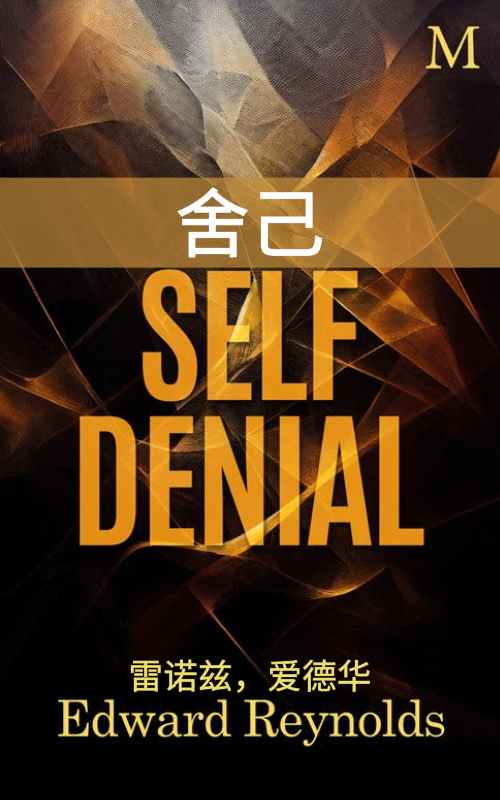
“Self-Denial” is an enlightening sermon authored by Edward Reynolds, a significant Puritan pastor in 17th-century.
《自我否定》(”Self-Denial”)是一篇启迪人心的讲道,由爱德华·雷诺兹(Edward Reynolds)撰写;他是十七世纪(17th-century)一位重要的清教徒(Puritan)牧师(pastor)。
The book centers around the essential Christian principle of self-denial and its crucial role in healing divisions within the Church.
本书以基督教(Christian)之根本原则——自我否定(self-denial)为中心,并论述其在医治教会(the Church)内部分裂(divisions)方面所具有的关键作用(crucial role)。
Written in an engaging and persuasive style, Reynolds explores the detrimental effect of prioritising personal interests and private judgments over the common good, particularly in times of distraction and distress.
雷诺兹(Reynolds)以引人入胜(engaging)且富有说服力(persuasive)的文风写作,探讨把个人利益(personal interests)与私人判断(private judgments)置于公共益处(the common good)之上所带来的有害影响(detrimental effect),尤其是在分心(distraction)与困苦(distress)的时期。
He advocates for selflessness and unity, urging the readers to consider their collective interests over their individual ones, drawing on several historical and Biblical references to reinforce his argument.
他倡导无私(selflessness)与合一(unity),劝勉读者优先顾念群体利益(collective interests)而非个人利益(individual ones),并引用若干历史(historical)与圣经(Biblical)之例证来加强其论证(argument)。
The author also explores the negative impact of passionately held private beliefs and judgments, especially when they contribute to the division of the Church.
作者也探讨人们强烈执守(passionately held)的私人信念(private beliefs)与判断(judgments)所造成的负面影响(negative impact),尤其当这些促成教会(the Church)的分裂(division)之时。
Reynolds suggests that personal views and opinions, particularly those that are not fundamental to faith or salvation, should not become the cause of division and discord.
雷诺兹(Reynolds)指出,个人见解(personal views)与意见(opinions),尤其是那些并非信仰(faith)或救恩(salvation)之根基(fundamental)的,不应成为分裂(division)与纷争(discord)的缘由(cause)。
In the latter part of the book, Reynolds places emphasis on the need for self-denial during speeches and debates, expressing the preference for concise arguments over lengthy orations.
在本书后半部分(the latter part of the book),雷诺兹(Reynolds)强调在演讲(speeches)与辩论(debates)之中需要自我否定(self-denial),并表达他更偏好简明的论证(concise arguments)胜过冗长的演说(lengthy orations)。
He also highlights the importance of staying calm and serene during differences, comparing a peaceful mind to a heavenly state.
他也强调在分歧(differences)之中保持冷静(calm)与安宁(serene)的重要性,并将平静的心思(a peaceful mind)比作属天的状态(a heavenly state)。
Finally, drawing upon the teachings of the Apostle Paul, the book concludes with the call to emulate the humility of Christ Jesus, who embodied the ultimate act of self-denial.
最后,本书借着使徒保罗(the Apostle Paul)的教训(teachings),以呼召人效法基督耶稣(Christ Jesus)的谦卑(humility)作结;基督耶稣(Christ Jesus)体现了自我否定(self-denial)之至高行动(the ultimate act)。
Reynolds thus exhorts readers to deny themselves in service and edification of the Church, just as Christ denied himself for its redemption.
因此,雷诺兹(Reynolds)劝勉读者为服事(service)与建立(edification)教会(the Church)而否定自己(deny themselves),正如基督(Christ)为教会的救赎(redemption)而否定自己(denied himself)一样。
Through “Self-Denial”, Reynolds provides a thought-provoking exploration of self-denial as an integral Christian virtue, urging believers to embrace it for the sake of unity within the Church.
藉着《自我否定》(”Self-Denial”),雷诺兹(Reynolds)对自我否定(self-denial)作为一项不可或缺的基督徒美德(integral Christian virtue)作出发人深省(thought-provoking)的探讨,并劝勉信徒(believers)为教会(the Church)之合一(unity)的缘故拥抱此美德(embrace it)。
This book is a timeless resource for those looking to deepen their understanding of Christian principles and their practical application within the ecclesiastical and broader societal contexts.
本书乃是一部历久常新(timeless)的资源(resource),适合那些渴望加深对基督教原则(Christian principles)的理解,并在教会处境(ecclesiastical contexts)与更广阔的社会处境(broader societal contexts)中将其实际应用(practical application)的人。