|
Getting your Trinity Audio player ready... |
中文下载
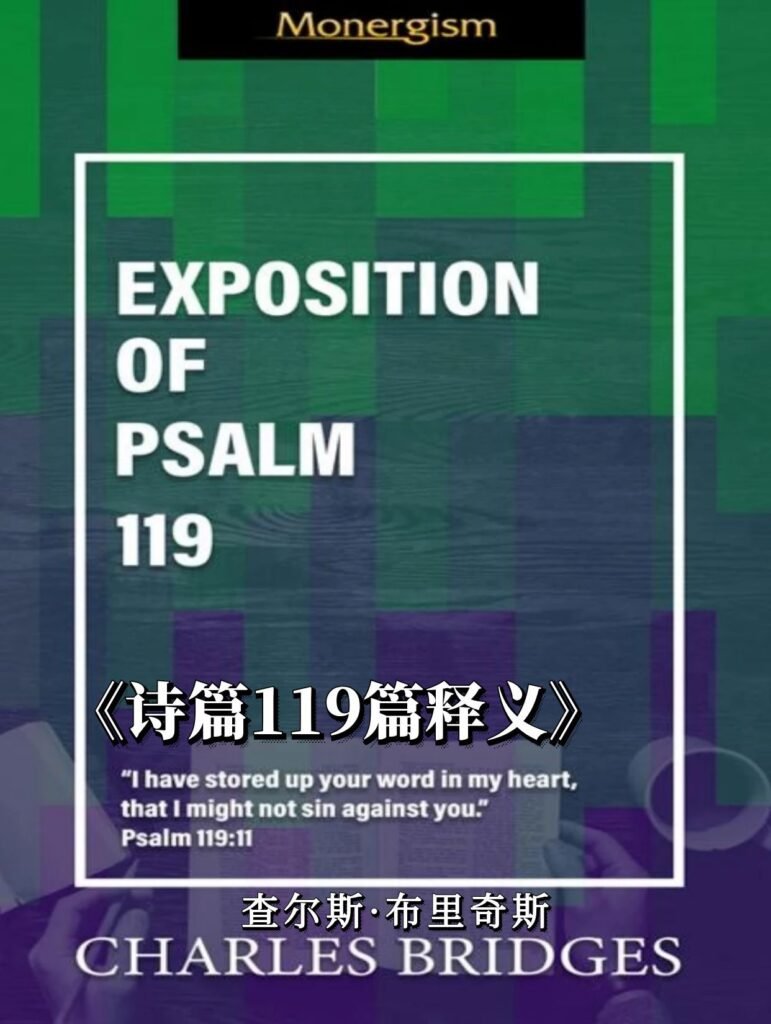
A considerable portion of the Sacred Volume (as the Book of Psalms and Canticles in the Old Testament, and a large part of the several Epistles in the New Testament) is occupied with the interesting subject of Christian Experience; and exhibits its character, under different dispensations of religion, and diversified with an endless variety of circumstances, as ever essentially the same.
圣卷的相当一部分(如旧约中的诗篇和雅歌,以及新约中几封书信的大部分)都被基督徒经验这一有趣的主题所占据;并展示了它的特征,在不同的宗教时代下,虽然因无尽的各种环境而多样化,但本质上总是一样的。
As the same features of countenance and elevation of stature have always marked the human species in the midst of the creation of God; so an identity of feature and “measure of the stature of the fullness of Christ” has, in all ages, and under every shade of outward difference, distinguished the family of God, “as the people that should dwell alone, and should not be reckoned among the nations.”
正如同样的面容特征和身量高度总是在神的创造中标志着人类物种;照样,一种特征的认同和“基督丰满身量的度量”,在各个时代,以及在每一种外在差异的阴影下,都以此区分了神的家,“作为那独居的民,不列在万民中。”
This indeed was to have been expected.
这确实是意料之中的事。
Human nature has undergone no change since the fall.
自堕落以来,人性没有发生任何改变。
In its unrenewed state it is still captivated in the same chains of sin; and, when renewed, it is under the influence of the same Spirit of grace.
在其未更新的状态下,它仍然被同样的罪的锁链所囚禁;而当更新后,它则处于同一位施恩圣灵的影响之下。
“That which is born of the flesh is flesh; and that which is born of the Spirit is spirit.”
“从肉身生的就是肉身;从灵生的就是灵。”
The modern believer, therefore, when employed in tracing the records of Patriarchal or Mosaic experience, will mark in the infirmities of the ancient people of God a picture of his own heart, “answering, as in water face answers to face;” and in comparing their gracious exercises with his own, he will be ready to acknowledge—”All these works that one and the selfsame Spirit, dividing to every man severally as He will.”
因此,现代信徒在致力于追溯列祖或摩西时代的经历记录时,会在古时神子民的软弱中标记出他自己内心的图画,“正如水中照脸,彼此相符;”并在比较他们蒙恩的操练与他自己的操练时,他会准备好承认——“这一切都是这位圣灵所运行、随己意分给各人的。”
In this view, it is the object of this work to exhibit an Old Testament believer in a New Testament garb, as one “walking in the same spirit, and in the same steps” with ourselves; and, in bringing his features of character to the Evangelical standard, it is presumed, that the correspondence will be found to be complete.
基于这种观点,这部作品的目标是展示一位身穿新约外衣的旧约信徒,作为一个与我们“靠同一位圣灵行事,按同一踪迹而行”的人;并且,在将他的性格特征带到福音的标准面前时,我们可以推定,这种对应将被发现是完整的。
“Faith which works by love”—the fundamental distinction of the Gospel—pervades the whole man; with at least an implied reference to the One way of access to God (verses 41, 88, 132, 135), and a distinct regard alike to the promises (verses 25, 32, 49, 74, 169, 170), and to the precepts (verses 66, 166), of Divine revelation.
“生发仁爱的信心”——福音的根本区别——弥漫在这人的全人之中;至少隐含地提到了通往神的唯一道路(第41, 88, 132, 135节),以及同样对神圣启示的应许(第25, 32, 49, 74, 169, 170节)和训词(第66, 166节)有着明显的关注。
Nor are the workings of this principle delineated with less accuracy.
这一原则的运作被描绘得也同样准确。
In all the variety of Christian feelings and holy conduct, we observe its operations leading the soul into communion with God, and molding every part into a progressive conformity to His image.
在各种基督徒情感和圣洁行为中,我们观察到它的运作引导灵魂进入与神的相交,并将每一个部分塑造成逐渐符合祂的形象。
When we view the “man after God’s own heart,” taking God for his portion, associating with His people, and feeding upon His word; when we mark his zeal for his Master’s glory; his devotedness and self-denial in his Master’s work; when we see him ever ready to confess His name, to bear His reproach, and caring only to answer it by a more steady adherence to His service — do we not in those lineaments of character, recognize the picture of one, who in after times could turn to the churches of Christ, and say — “therefore, I beseech you, be followers of me?”
当我们注视这位“合神心意的人”,以神为他的福分,与祂的子民结交,并以祂的话语为粮时;当我们留意他对自己主人荣耀的热心;他在主人工作中的奉献与舍己时;当我们看见他随时准备承认祂的名,忍受祂的凌辱,并且只在乎通过更坚定地坚持祂的事奉来回应这一切——我们难道不在这些性格特征中,认出那个在后来的时代可以转向基督的众教会并说——“所以我求你们效法我”的人的画像吗?
Or can we recollect the Psalmist’s insight into the extent and spirituality of the law of God, and his continual conflict with indwelling sin, awakening in him the spirit of wrestling prayer, and confidence in the God of his salvation; and not be again forcibly reminded of him, who has left upon record the corresponding history of his own experience — “I was alive without the law once; but when the commandment came, sin revived, and I died. We know that the law is spiritual; but I am carnal, sold under sin. O wretched man that I am! who shall deliver me from the body of this death? I thank God, through Jesus Christ our Lord!”
或者,我们可以回想诗人对神律法的广度和属灵性的洞察,以及他与内住之罪不断的争战,在他里面唤醒了摔跤般祷告的灵,以及对救他的神的信心;而不再次被强有力地提醒想到那个人吗?他留下了自己相应经历的历史记录——“我以前没有律法是活着的;但是诫命来到,罪又活了,我就死了。我们原晓得律法是属乎灵的,但我是属乎肉体的,是已经卖给罪了。我真是苦啊!谁能救我脱离这取死的身体呢?感谢神,靠着我们的主耶稣基督就能脱离了!”
In short, let his instancy in prayer and praise be remembered; his determined and persevering cultivation of heart-religion and practical holiness, his hungering and thirsting after righteousness; his jealous fear and watchful tenderness against sin, and regard for the honor of his God; his yearning compassion over his fellow-sinners; his spiritual taste; his accurate discernment; the “simplicity” of his dependence, and the “godly sincerity” of his obedience; his peace of mind and stability of profession; his sanctified improvement of the cross; his victory over the world; his acknowledgment of the Lord’s mercy; his trials of faith and patience; his heavenly liberty in the ways of God; his habitual living in his presence, and under the quickening—restraining—directing, and supporting influence of His word—let these holy exercises be considered, either separately, or as forming one admirable concentration of Christian excellence; and what do we desire more to complete the portrait of a finished servant of God upon the Divine model?
总之,让人记住他在祷告和赞美中的恒切;他对心灵宗教和实践圣洁的坚定与不懈的培养,他对义的饥渴;他对罪的忌邪恐惧和警醒的敏感,以及对他神荣耀的关注;他对同为罪人者的切切怜悯;他的属灵品味;他准确的辨别力;他依靠上的“单纯”,和他顺服上的“敬虔的真诚”;他内心的平安和信仰告白的稳固;他对十字架(苦难)的成圣善用;他对世界的得胜;他承认主的怜悯;他信心和忍耐的试炼;他在神道路上属天的自由;他习惯性地生活在祂的面前,并处于祂话语那苏醒——抑制——指引和扶持的影响之下——让这些神圣的操练被考量,或是分别考量,或是作为构成基督徒美德的一个令人钦佩的集合;为了完成一个照着神圣模式那完美的上帝仆人的画像,我们还渴望什么更多呢?
Is not this a visible demonstration of the power of the word, “perfecting the man of God, and furnishing him thoroughly unto all good works?”
这难道不是对神话语大能的可见证明吗?即“叫属神的人得以完全,预备行各样的善事”?
Having explained the Evangelical character of this Psalm, we may notice its peculiar adaptation to Christian experience.
解释了这篇诗篇的福音特征后,我们可以注意到它对基督徒经历的特殊适应性。
It may be considered as the journal of one, who was deeply taught in the things of God, long practiced in the life and walk of faith.
它可以被视为一个人的日记,这人在神的事上受过深刻教导,在信心的生活和行走中受过长期操练。
It contains the anatomy of experimental religion, the interior lineaments of the family of God.
它包含了经历性宗教的解剖,神家人的内在特征。
It is given for the use of believers in all ages, as an excellent touchstone of vital godliness, a touchstone which appears especially needful in this day of profession; not as warranting our confidence in the Savior, or as constituting in any measure our ground of acceptance with God: but as exciting us to “give diligence to make our calling and election sure,” and quicken our sluggish steps in the path of self-denying obedience.
它是赐给各个时代的信徒使用的,作为生命敬虔的极佳试金石,一块在这个仅有信仰告白的时代显得尤为必要的试金石;并不是用来保证我们对救主的信心,也不是在任何程度上构成我们被神接纳的基础:而是为了激发我们“应当更加殷勤,使你们所蒙的恩召和拣选坚定不移”,并在舍己顺服的道路上加快我们迟缓的脚步。
The Writer is free to confess, that his main design in the study of this Psalm was to furnish a correct standard of Evangelical sincerity for the habitual scrutiny of his own heart; and if in the course of this Exposition, any suggestion should be thrown out, to call the attention of his fellow-Christians to this most important, but, alas! too much neglected duty, he will have reason to “rejoice in the day of Christ, that he has not run in vain, neither labored in vain.”
作者坦率承认,他研读这篇诗篇的主要意图,是为了提供一个福音真诚的正确标准,以便习惯性地审查他自己的心;如果在本解经的过程中,抛出了任何建议,能够唤起他的基督徒同伴们注意这一最重要,但——以此!——太被忽视的责任,他将有理由“在基督的日子……夸口,因为(他)没有空跑,也没有徒劳”。
Never let it be supposed, that a diligent, prayerful, probing examination of the “chambers of imagery,” “genders to bondage.”
永远不要以为,对“画像的内室”(指内心隐秘处)进行勤勉、祷告和探究性的审查,会“生出奴仆来”。
Invariably will it be found to establish the enjoyment of Scriptural assurance.
相反,人们总是会发现它能建立起对合乎圣经的确据的享受。
“Hereby we know that we are of the truth, and shall assure our hearts before him.”
“从此就知道我们是属真理的,并且我们的心在神面前可以安稳。”
As therefore the preceptive part of the Gospel thus becomes our guide in the happy path of filial obedience, our beloved rule of duty, and the standard of our daily progress; we shall learn in the use of it to depend more entirely upon the Savior, fresh energy will be thrown into our prayers; and the promises of pardon and grace will be doubly precious to our souls.
因此,当福音的命令部分成为了我们在儿女顺服的幸福道路上的向导,我们所爱的责任准则,以及我们每日长进的标准时;我们将在使用它的过程中学会更完全地依靠救主,新的活力将注入我们的祷告中;赦免和恩典的应许对我们的灵魂将加倍宝贵。
These views of the Divine life cannot be found unfriendly to the best happiness of mankind.
这些关于属神生命的观点,不会被发现对人类最大的幸福是不友好的。
The Psalm opens with a most inviting picture of blessedness, and describes throughout the feelings of one, encompassed indeed with trials superadded to the common lot of men, but yet evidently in possession of a satisfying portion — of a “joy, with which a stranger does not intermedle.”
这篇诗篇以一幅最引人入胜的有福图画开篇,并通篇描述了一个人的感受,这人确实被附加在常人命运之上的试炼所环绕,但显然拥有令人满足的福分——一种“外人无干(无法干预)的喜乐”。
Of those, therefore, who would affix the stigma of melancholy to evangelical religion, we are constrained to remark, that they “understand neither what they say, nor whereof they affirm.”
因此,对于那些想要给福音派宗教贴上忧郁污名的人,我们不得不指出,他们“想要说什么,已经断定什么,自己都不明白。”
The children of Edom have never tasted the “clusters of Canaan,” and cannot therefore form any just estimate of that goodly land.
以东的子孙从未尝过“迦南的葡萄串”,因此无法对那美好的地土形成任何公正的评价。
Those who have spied the land bring a good report of it, and tell—”Surely it flows with milk and honey, and this is the fruit of it.”
那些窥探过那地的人带来了关于它的好消息,并说——“果然是流奶与蜜之地,这就是那地的果子。”
“The work of righteousness is peace; and the effect of righteousness, quietness and assurance forever.”
“公义的果效必是平安;公义的效验必是平稳,直到永远。”
The structure of this Psalm is peculiar.
这篇诗篇的结构很独特。
It is divided into twenty-two parts, according to the number of the letters of the Hebrew Alphabet; each part, and its several verses, beginning with the corresponding letter of the Alphabet.
它分为二十二个部分,按照希伯来字母表的字母数量;每个部分,及其中的几节经文,都以对应的字母表字母开头。
The whole Psalm is in the form of an ejaculatory address, with the exception of the first three verses, which may almost be considered as a preface to the whole, and one other verse in the course of it, where the man of God rebukes the ungodly from his presence, as if intruding into his “hiding-place,” and interrupting his communion with God.
整篇诗篇采用呼求式陈述的形式,除了前三节,这几节几乎可以被视为整篇的序言,以及其中过程中的另一节,那里属神的人斥退不敬虔的人离开他的面前,好像他们闯入了他的“藏身之处”,打断了他与神的相交。
It is not always easy to trace the connection between the several verses; at least not beyond the several divisions of the Psalm.
要追溯几节经文之间的联系并不总是容易的;至少在诗篇的各个分段之外是不容易的。
Probably nothing more was intended, than the record of the exercises of his own heart at different periods, and under different circumstances.
可能原本的意图无非是记录他在不同时期和不同环境下的内心操练。
If, however, they are not links on the same chain, in continuous and unbroken dependence; they may at least be considered as pearls upon one string, of equal, though independent, value.
然而,如果它们不是同一条链子上的环节,处于连续和不间断的依赖关系中;它们至少可以被视为一根绳子上的珍珠,具有同等虽独立的价值。
The prominent characteristic of the Psalm is a love for the word of God, which is brought before us under no less than ten different names, referring to some latent and distinguishing properties of the Divine word, whose manifold excellencies and perfections are thus illustrated with much elegant variety of diction.
这篇诗篇显著的特征是对神话语的爱,这一点在不少于十个不同的名称下呈现在我们面前,提及神话语某些潜在和显著的特性,其多样的美德和完美因此用许多优雅多变的措辞加以阐明。
In many instances, however the several terms appear to have been varied, to adapt themselves to the metre; while, perhaps, at other times they may be promiscuously used for the whole revelation of God, that the view of its inexhaustible fullness might thus conciliate a more attentive regard to its authority; and might add fresh strength to the obligation to read, believe, love, and live in it.
然而,在许多情况下,这几个术语的变化似乎是为了适应韵律;而也许在其他时候,它们可能被混用以指代神的整个启示,以便对其取之不尽的丰满的看法,能以此博得对其权威更专注的重视;并在阅读、相信、喜爱和活在其中的义务上增添新的力量。
If the Writer may be permitted to suggest the method, in which this Exposition may be best studied to advantage, he would beg to refer to the advice of the excellent Philip Henry to his children—that they should ‘take a verse of Psalm 119 every morning to meditate upon, and so go over the Psalm twice in a year:’ and ‘that’—said he—’will bring you to be in love with all the rest of the Scripture.’
如果允许作者建议一种方法,通过该方法可以最有效地研读本解经,他想引用卓越的菲利普·亨利(Philip Henry)给他孩子们的建议——他们应该“每天早晨取诗篇119篇的一节经文来默想,这样一年可以过两遍这篇诗篇”:并且“那”——他说——“会使你们爱上其余所有的圣经。”
The Writer does not presume to suppose, that this superficial sketch will supply food for meditation year after year.
作者不敢妄想,这篇肤浅的草图能年复一年地提供默想的粮。
Yet he ventures to hope that it may have its use, in directing the attention from time to time to a most precious portion of Holy Writ; which however unfruitful it may have proved to the undiscerning mind, will be found by the serious and intelligent reader to be “profitable for doctrine, for reproof, for correction, for instruction in righteousness.”
然而他敢于希望它可能有其用处,能不时地将注意力引向圣经中最宝贵的一部分;无论这部分对缺乏辨别力的头脑证明是多么不结果子,严肃和聪慧的读者将会发现它“于教训、督责、使人归正、教导人学义都是有益的。”
The composition of this work has been diversified with as much variety as the nature of the subject would allow.
本作品的写作形式已尽可能多样化,只要主题的性质允许。
The descriptive character of the book will be found to be interspersed with matter of discussion, personal address, hints for self-inquiry, and occasional supplication, with the earnest endeavor to cast the mind into that meditative, self-scrutinizing, devotional frame, in which the new creature is strengthened, and increases, and goes on to perfection.
书中的描述性特征将会被发现穿插着讨论事项、个人劝勉、自我省察的提示,以及偶尔的恳求,带着恳切的努力,要将心思投入到那种默想、自我审查、敬虔的心境中,在其中,新造的人得以加强、增长,并进而达到完全。
Such, however, as the work is, the Writer would commend it to the gracious consideration of the great Head of the Church; imploring pardon for what in it may be his own, and a blessing on what may be traced to a purer source: and in giving both the pardon and the blessing, may His holy name be abundantly glorified!
然而,无论这部作品如何,作者都将其交托给教会伟大的元首,求祂恩慈地顾念;恳求赦免其中可能属于他自己的东西,并赐福于那些可追溯到更纯净源头的东西:愿在赐下赦免和祝福时,祂的圣名得着丰盛的荣耀!
Old Newton Vicarage,
老牛顿牧师住宅,
July 20th, 1827.
1827年7月20日。