|
Getting your Trinity Audio player ready... |
中文下载
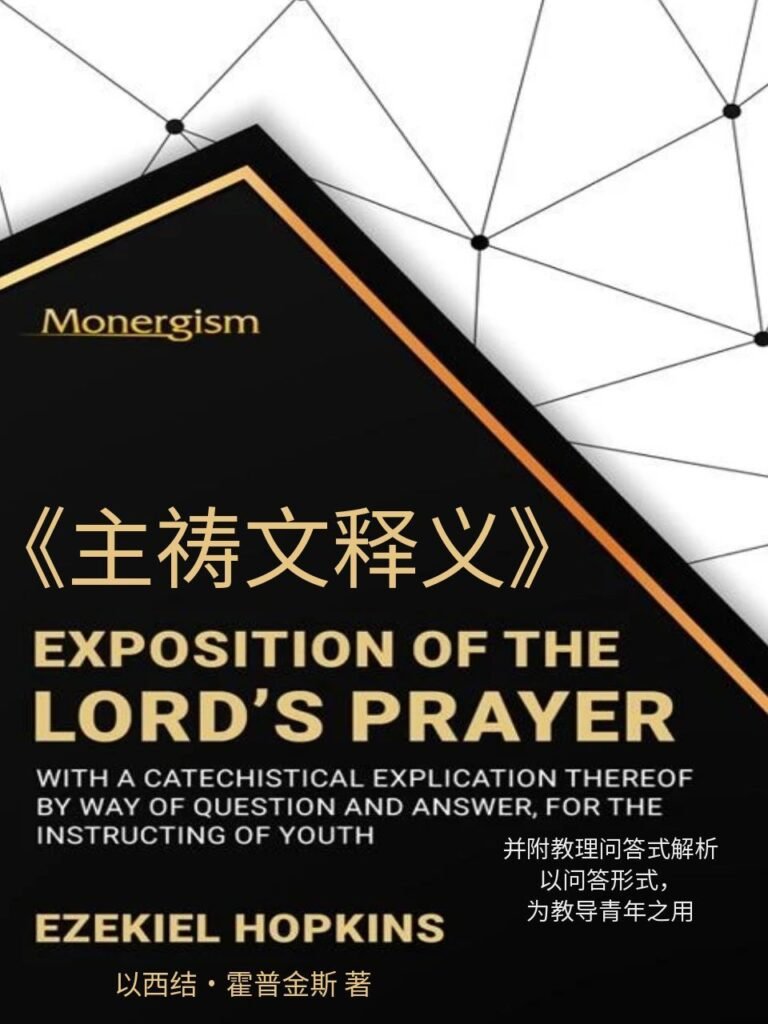
WITH A CATECHISTICAL EXPLICATION THEREOF BY WAY OF QUESTION AND ANSWER,FOR THE INSTRUCTING OF YOUTH
附有以问答形式对主祷文的教理问答式解释,以供教导青年之用
It being, therefore, as I hope, clear and evident, that we may often pray in these words, and that we must always pray after this manner; let us now proceed to consider the Prayer itself.
因此,既然我相信我们经常可以用这些话语祷告,并且我们必须总是以这种方式祷告,这一点是清楚而明显的;那么现在让我们继续来思想祷告本身。
In which there are these Four Parts.
其中有这四个部分。
I. The PREFACE, or INTRODUCTION, to it.
一. 它的引言(PREFACE),或绪论(INTRODUCTION)。
II. The PETITIONS, or REQUESTS, we present to God; in which the greatest part of it consists.
二. 我们向神呈献的祈求(PETITIONS),或请求(REQUESTS);这是祷告最主要的部分。
III. The DOXOLOGY, or PRAISE-GIVING: for praise is a necessary part of prayer.
三. 颂赞(DOXOLOGY),或称赞美(PRAISE-GIVING):因为赞美是祷告的必要组成部分。
IV. The CONCLUSION, or RATIFICATION of all, in the sealing particle, Amen.
四. 总结(CONCLUSION),或对所有内容的批准(RATIFICATION),在作为印记的词语“阿们”(Amen)中。
I shall speak somewhat of these briefly, in the general; and, then, more particularly of each, as my text directs me.
我将笼统地简要谈论这些,然后,像我的经文所引导我的那样,更具体地谈论每一个部分。
FIRST. For the Introduction or Preface unto the prayer: and that is contained in these words Our Father, which art in heaven.
第一。关于祷告的绪论或引言:它包含在“我们在天上的父”这些话语中。
This is used as a preparative to prayer.
这是作为祷告的预备(preparative)来使用的。
And what greater inducement can there be to dispose us into a holy awe and reverence of God, than to set before us the greatness and glory of that Majesty, before whom we prostrate ourselves?
还有什么更大的动机(inducement)能使我们生发出对神圣洁的敬畏和尊敬(reverence)呢?那就是在我们面前展现那我们在祂面前俯伏的威严(Majesty)的伟大和荣耀。
And, therefore, we find that the Saints in Scripture, in all their approaches to the施恩宝座(Throne of Grace),were wont, in the beginning of their prayers, to affect and over-awe their hearts with the humble mention of God’s glorious attributes.
因此,我们发现圣经中的圣徒们,在他们所有来到施恩宝座(Throne of Grace)前的进近(approaches)中,习惯于在祷告开始时,借着谦卑地提及神荣耀的属性,来感动(affect)和敬畏(over-awe)他们的心。
Thus Solomon: 1 Kings 8:23. O Lord God of Israel, there is no God like unto thee, in heaven above or in the earth beneath; who keepest covenant and mercy with thy servants.
所罗门就是如此:列王纪上 8:23。“耶和华以色列的神啊,天上地下没有神像你;你向那尽心行在你面前的仆人守约施慈爱。”
Thus Jehoshaphat: 2 Chron. 20:6. O Lord God of our fathers, art not thou God in heaven? And rulest not thou over all the kingdoms of the heathens? And in thy hand is there not power and might?
约沙法就是如此:历代志下 20:6。“耶和华我们列祖的神啊,你不是天上的神吗?你不是统管列国万邦(kingdoms of the heathens)吗?在你手中有大能大力(power and might)。”
So Hezekiah: 2 Kings 19:15. O Lord God of Israel, who dwellest between the cherubims, thou art God, even thou alone, who hast made heaven and earth.
希西家也是如此:列王纪下 19:15。“耶和华以色列的神啊,你坐在基路伯(cherubims)上,你才是神,唯独你是神,你创造了天和地。”
And so the Prophet: Jer. 32:17, 18, 19. Ah Lord God, behold, thou hast made the heaven and the earth, by thy great power and stretched-out arm; and there is nothing too hard for thee. The Great, the Mighty God, the Lord of Hosts, is his name, great in counsel, and mighty in working.
先知也是如此:耶利米书 32:17, 18, 19。“唉,主耶和华啊,看哪,你曾用大能和伸出来的膀臂创造了天地;在你没有难成的事。祂是至大、大能的神,万军之耶和华是祂的名,谋略奇大,行事有能。”
And thus our Saviour himself: Mat. 11:25. I thank thee, O Father, Lord of Heaven and Earth.
我们的救主自己也是如此:马太福音 11:25。“父啊,天地的主,我感谢你。”
And so the Apostle: Acts 4:24. Lord, thou art God, that hast made heaven and earth, and the sea, and all that in them is.
使徒也是如此:使徒行传 4:24。“主啊,你是神,曾创造天地、海洋和其中万物。”
And, thus to consider seriously of and reverently to express the infinitely glorious attributes of God, is an excellent means to compose us into a holy fear and awe of God; such as becomes vile dust and ashes to be affected with, when it stands in the presence of its great Lord and Creator.
因此,认真思考并恭敬地表达神无限荣耀的属性,是使我们进入对神圣洁的惧怕和敬畏的绝佳方法;这是卑贱的尘土和灰烬在它伟大的主和创造主面前时,理当受到的感动。
Only here let us remember, that we dwell not so long upon the titles and attributes of God, nor run so much out into preface, as to forget our errand unto him.
只是在这里我们要记住,我们不要在神的称谓和属性上逗留太久,也不要过多地跑题(run so much out)到引言中,以致于忘记了我们到祂面前来的目的(errand)。
SECONDLY. Next after the Preface, we have the Petitions following in their order.
第二。紧接着引言之后,我们有按顺序排列的祈求(Petitions)。
Of these, some reckon six, others seven: but which soever we take, the matter is not great.
对于这些祈求,有些人算作六个,有些人算作七个:但无论我们取哪一种,都没有太大关系。
They may all be reduced under two general heads.
它们都可以归纳(reduced)在两个总纲之下。
First, Such as respect God’s glory.
第一,涉及神荣耀的祈求。
Secondly, Such as respect ourselves and others.
第二,涉及我们自己和他人的祈求。
The three first respect God’s glory; and the three or four last our own good: and that either temporal or spiritual.
前三个涉及神的荣耀;后三或四个涉及我们自己的益处:这益处或是属暂时的(temporal)或是属灵的。
Temporal, in begging at God’s hands our daily bread: spiritual, in desiring both the pardon of and deliverance from sin.
属暂时的,是向神祈求我们的日用饮食:属灵的,是渴求罪的赦免和脱离罪恶。
And here again we may observe the admirable order and method of this prayer; in that our Saviour hath placed the petition, which refers to our temporal good, as it were in the very midst and centre of it, it being encompassed round about with petitions for heavenly and spiritual blessings.
在这里我们又可以观察到这个祷告令人称奇的次序和方法;因为我们的救主将涉及我们属暂时益处的祈求,放置在了祷告的中心和正中间,它被求天上的和属灵的福分的祈求所环绕。
And this may intimate to us, that we are only to bait at the world, in our passage and journey to heaven; that we ought to begin with spirituals and end with spirituals: but only to take up and refresh ourselves a little with our daily bread in our way.
这可能暗示我们,在前往天国的路途中,我们只是在世上稍作停留(bait at);我们应该以属灵的事情开始,并以属灵的事情结束:只是在途中用我们的日用饮食稍微补充(take up)和恢复(refresh)一下。
THIRDLY. In the Doxology, or Praise, there are four things contained.
第三。在颂赞(Doxology),或称赞美中,包含着四件事。
First, God’s Sovereignty: Thine is the kingdom.
第一,神的主权(Sovereignty):因为国度是你的。
Secondly, God’s Omnipotency: and the power.
第二,神的无所不能(Omnipotency):和权柄。
Thirdly, God’s Excellency: and the glory.
第三,神的卓越(Excellency):和荣耀。
Fourthly, The Eternity and Unchangeableness of them, and of all God’s other attributes, noted to us in that expression, for ever.
第四,这些以及神所有其他属性的永恒性(Eternity)和不变性(Unchangeableness),在“直到永远”这句话中向我们表明。
FOURTHLY. Here is the ratifying particle, Amen, added as a seal to the whole prayer: and it importeth a desire to have that confirmed or granted, which we have prayed for.
第四。这里是批准性的词语“阿们”(Amen),作为整个祷告的印记被加上:它意味着一种渴望,希望我们所祈求的能够得到证实(confirmed)或应允(granted)。
And thus Benaiah, when he had received instructions from David concerning the establishing of Solomon in the kingdom, answereth thereto Amen; and explains it; 1 Kings 1:36. The Lord God of my lord the king say so too.
比拿雅就是如此,当他从大卫那里接到关于立所罗门为王的指示时,他对此回答“阿们”;并解释道:列王纪上 1:36。“愿我主我王的 神也这样说。”
So that when we add this word, Amen, at the end and close of our prayers, it is as much as if we had said, The Lord God say so too; or the Lord grant these requests: for the proper signification of Amen, is, so be it, or so it is, or so it shall be: the former notes our desires; the latter, our confidence and assurance of being heard.
所以,当我们把“阿们”这个词加在祷告的末尾和结束时,就好像我们说了:“愿主神也这样说”;或者“愿主应允这些请求”:因为“阿们”的本义是:愿它成就(so be it),或它就是如此(so it is),或它必将如此(so it shall be):前者表示我们的渴望;后者表示我们被垂听的信心和确信(assurance)。
Now of all these four parts, of which this Prayer is composed, I shall speak in their order.
现在,对于组成这个祷告的所有这四个部分,我将按其顺序来谈论。
TABLE OF CONTENTS
目录
PREFACE TO THE READER
致读者的序言
A PRACTICAL EXPOSITION ON THE LORD’S PRAYER
主祷文的实用(Practical)释义
INTRODUCTION
绪论
PREFACE
引言
PETITIONS
祈求
FIRST PETITION
第一项祈求
SECOND PETITION
第二项祈求
THIRD PETITION
第三项祈求
FOURTH PETITION
第四项祈求
FIFTH PETITION
第五项祈求
SIXTH PETITION
第六项祈求
DOXOLOGY
颂赞
CONCLUSION
总结
A CATECHISTICAL EXPOSITION ON THE LORD’S PRAYER
主祷文的教理问答式释义