|
Getting your Trinity Audio player ready... |
中文下载
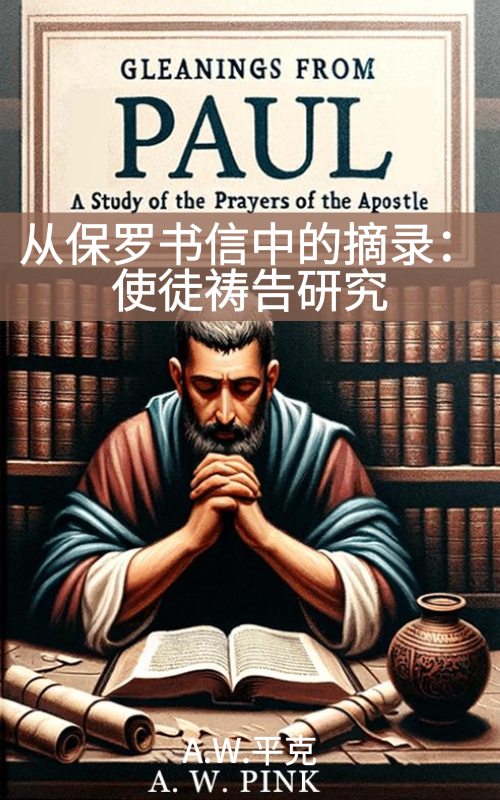
Much Has Been Written upon what is usually called “The Lord’s Prayer” but which we prefer to term “The Family Prayer,” and much upon the high priestly prayer of Christ in John 17, but very little upon the prayers of the apostles.
关于通常被称为“主祷文”但我们更愿意称为“家庭祷告”的内容,以及关于约翰福音17章中基督的大祭司祷告,已经有很多著述,但关于使徒们的祷告却很少。
Personally we know of no book devoted to the same, and except for a booklet on the two prayers of Ephesians 1 and 3 we have seen scarcely anything thereon.
就个人而言,我们不知道有任何专著是专门论述这一主题的,除了关于以弗所书1章和3章中两个祷告的一本小册子外,我们几乎没有看到任何相关内容。
It is not easy to explain this omission, for one would think the apostolic prayers had such importance and value for us that they would attract the attention of those who wrote on devotional subjects.
这种遗漏很难解释,因为人们会认为使徒的祷告对我们如此重要和有价值,以至于它们会吸引那些撰写灵修主题之人的注意。
While we very much deprecate the efforts of those who would have us believe the prayers of the Old Testament are obsolete and unfitted for the saints of this dispensation, yet it seems evident that the prayers recorded in the epistles are peculiarly suited to Christians.
虽然我们非常不赞同那些试图让我们相信旧约的祷告已经过时且不适合这时代圣徒之人的努力,但书信中记载的祷告似乎显然特别适合基督徒。
Excepting only the prayers of the Redeemer, in the epistle prayers alone are the praises and petitions specifically addressed to “the Father,” in them alone are they offered in the name of the Mediator, and in them alone do we find the full breathings of the Spirit of adoption.
除了救赎主的祷告之外,唯独在书信的祷告中,赞美和祈求是专门向“父”发出的,唯独在其中是奉中保的名献上的,也唯独在其中我们能找到得儿子的名分之灵的充分呼吸。
How blessed it is to hear some aged saint, who has long walked with God and enjoyed intimate communion with Him, pouring out his heart before Him in adoration and supplication.
听到一位长期与神同行并享受与祂亲密交通的年老圣徒,在祂面前倾心吐意地敬拜和恳求,这是何等有福。
But how much more blessed should we esteem it could we have listened to the utterances of those who accompanied with Christ in person during the days when He tabernacled in this scene.
但如果我们能听到那些当基督在这场景中支搭帐棚(道成肉身)的日子里亲自陪伴祂之人的言语,我们会视之为多么更大的福分。
And if one of the apostles were still here upon earth what a high privilege we should deem it to hear him engage in prayer!
如果使徒中有一位仍在地上,我们将视听他祷告为多高的特权!
Such a high privilege that most of us would be willing to go to considerable inconvenience and to travel a long distance in order to be thus favored.
这是一个如此高的特权,以至于我们大多数人都愿意不辞辛劳,长途跋涉,只为获得这样的恩宠。
And if our desire were granted, how closely we would listen to his words, how diligently we would seek to treasure them up in our memories.
如果我们的愿望得以实现,我们会多么仔细地倾听他的话语,多么殷勤地寻求将它们珍藏在我们的记忆中。
Well, no such inconvenience, no such journey, is required: it has pleased the Holy Spirit to record quite a number of the apostolic prayers for our instruction and satisfaction.
然而,不需要这样的不便,不需要这样的旅程:圣灵乐意记录下相当多使徒的祷告,以供我们要受教导和满足。
Do we evidence our appreciation of such a boon? Have we ever made a list of them and meditated upon their import?
我们是否证明了我们对这恩赐的感激?我们是否曾将它们列出来并默想其含意?
No Prayers of the Apostles in Acts
使徒行传中没有使徒的祷告
In our preliminary task of surveying and tabulating the recorded prayers of the apostles, two things have impressed us, one at first quite surprising, the other to be expected.
在我们考察和列表整理记录下来的使徒祷告的初步工作中,有两件事给我们留下了深刻印象,一件起初令人相当惊讶,另一件则是意料之中的。
That which is apt to strike us as strange—to some of our readers it may be almost startling—is the book of Acts, which supplies us with most of the information we possess about the apostles, yet has not a single prayer of theirs in its twenty-eight chapters.
容易让我们感到奇怪的——对我们的一些读者来说可能几乎是令人震惊的——是使徒行传,它提供了我们所拥有关于使徒的大部分信息,但在其二十八章中却没有任何一个他们的祷告。
Yet a little reflection should show us that this omission is in full accord with the special character of that book, for the book of Acts is much more historical than devotional, consisting far more of a chronicle of what the Spirit wrought through the apostles than of what He wrought in them.
然而,稍加思考就会向我们表明,这种遗漏完全符合该书卷的特殊性质,因为使徒行传更多是历史性的而非灵修性的,其内容更多是记载圣灵通过使徒所做成的工,而不是祂在他们里面所做成的工。
The public deeds of Christ’s ambassadors are there made prominent, rather than their private exercises.
那里突出的是基督大使们的公开事迹,而不是他们私下的操练。
True, they are shown to be men of prayer, as is seen by “We will give ourselves continually to prayer, and to the ministry of the word” (Acts 6:4).
诚然,他们显示出是祷告的人,正如“我们要专心以祈祷、传道为事”(徒6:4)所见。
Again and again we behold them engaged in this holy exercise (Acts 9:40; 10:9; 20:36; 21:5; 28:8); yet we are not told what they said, the nearest approach being Acts 8:15, for their words are not recorded.
我们一次又一次地看到他们从事这项神圣的操练(徒9:40; 10:9; 20:36; 21:5; 28:8);然而我们并未被告知他们说了什么,最接近的一次是使徒行传8:15,因为他们的话没有被记录下来。
We regard the prayer of Acts 1:24 as that of the hundred and twenty, and that of Acts 4:24- 30 as that of “their own company.”
我们认为使徒行传1:24的祷告是一百二十人的祷告,而使徒行传4:24-30的祷告是“他们会友”的祷告。
Paul Eminently a Man of Prayer
保罗是一位杰出的祷告之人
The second fact which impressed us while contemplating the field before us was that the great majority of the recorded prayers of the apostles issued from the heart of Paul; and this, as we have said, was really to be expected.
在审视摆在我们面前的领域时,令我们印象深刻的第二个事实是,绝大多数记录下来的使徒祷告都发自保罗的心;正如我们所说,这确实是意料之中的。
You ask why? Several answers may be returned.
你问为什么?可以给出几个答案。
Paul was preeminently the apostle to the Gentiles.
保罗在很大程度上是外邦人的使徒。
Peter, James, and John ministered principally to Jewish believers (Gal. 2:9), and even in their unconverted days they had been accustomed to bow the knee before the Lord.
彼得、雅各和约翰主要服事犹太信徒(加2:9),即使在他们未归信的日子里,他们也习惯于在主面前屈膝。
But the Gentiles had come out of heathenism and it was fitting that their spiritual father should also be their devotional exemplar.
但外邦人是从异教中出来的,所以他们属灵的父亲同时也作为他们灵修的榜样是合宜的。
Moreover, he wrote twice as many epistles as all the other apostles added together; nevertheless there are eight times as many prayers in his epistles as in all of theirs.
此外,他写的书信数量是所有其他使徒加起来的两倍;然而他书信中的祷告数量却是他们所有人书信中祷告总和的八倍。
But chiefly we call to mind the first thing said of Paul after his conversion: “Behold, he prayeth” (Acts 9:11).
但主要是我们回想起保罗归信后关于他的第一句话:“看哪,他正在祷告”(徒9:11)。
It is as though that struck the keynote of his subsequent life, that he would, to a special degree, be marked as a man of prayer.
这似乎定下了他随后生命的基调,即他将在某种特殊程度上,被标记为一个祷告的人。
The other apostles were not devoid of this spirit, for God does not employ prayerless ministers, as He has no dumb children.
其他使徒并非没有这种灵,因为神不使用不祷告的传道人,正如祂没有哑巴儿女一样。
To “cry day and night unto him” is given as one of the distinguishing marks of His elect (Luke 18:7).
“昼夜呼吁祂”被作为祂选民的显著标志之一(路18:7)。
Yet certain of His servants and some of his saints are permitted to enjoy closer and more constant fellowship with the Lord than others (excepting John), and such was obviously the case with the man who on one occasion was even caught up into Paradise.
然而祂的某些仆人和一些圣徒被允许享受比其他人(约翰除外)与主更亲密、更恒切的交通,而那个曾有一次甚至被提到乐园里的人显然就是这种情况。
A special measure “of grace and of supplications” (Zech. 12:10) was vouchsafed him, so that he appears to have been favored above his fellows with a spirit of prayer which dwelt in him to a remarkable degree.
一种特殊度量的“施恩叫人恳求的灵”(亚12:10)赐给了他,使他似乎在同伴中格外蒙恩,有一种祷告的灵以显著的程度住在他里面。
Such was the fervor of his love for Christ and the members of His mystical body; such was his intense solicitude for their spiritual well-being and growth, that there continually gushed from his soul a flow of prayer to God for them, and thanksgiving on their behalf.
他对基督及祂奥秘身体肢体的爱是如此热切;他对他们属灵福祉和成长的挂虑是如此强烈,以至于他的灵魂不断涌出为他们向神的祷告,以及代他们的感恩。
Many illustrations of what has just been said will come before us, examples of where ebullitions of devotion broke forth in the midst of his doctrinal and practical instructions.
刚才所说的许多例证将会呈现在我们面前,就是在他的教义和实践教导中,虔诚的情感爆发出来的例子。
The Inclusiveness of Prayer
祷告的包容性
Before proceeding further it should be pointed out that in this series of studies we do not propose to confine ourselves to the petitionary prayers of the apostle, but rather take in a wider range.
在进一步讨论之前,需要指出的是,在这一系列研究中,我们不打算将自己局限于使徒祈求性的祷告,而是要涵盖更广泛的范围。
In Scripture “prayer” includes much more than making known our requests to God, and this is something which His people need reminding of, and some of them instructing in, in these days of superficiality and ignorance.
在圣经中,“祷告”包含的内容远不止是将我们的请求以此让神知道,这是祂的子民需要被提醒的,而在这些肤浅和无知的日子里,其中一些人也需要在这一点上受教导。
The very verse that presents the privilege of spreading our needs before the Lord emphasizes this very thing: “In every thing by prayer and supplication with thanksgiving let your requests be made known unto God” (Phil. 4:6).
那节提出在主面前陈明我们需要的特权的经文,正是强调了这一点:“应当一无挂虑,只要凡事藉着祷告、祈求和感谢,将你们所要的告诉神”(腓4:6)。
Unless gratitude be expressed for mercies already received and thanks be given for granting us the continued favor of petitioning our Father, how can we expect to obtain His ear and receive answers of peace!
除非为已经领受的怜悯表达感激,并为赐予我们继续向天父祈求的恩典献上感谢,否则我们怎能期望获得祂的倾听并收到平安的答复呢!
Yet prayer, in its highest and fullest sense, rises above thanksgiving for gifts vouchsafed: the heart is drawn out in contemplating the Giver Himself so that the soul is prostrated before Him in worship and adoration.
然而,在最高和最充分的意义上,祷告超越了为所赐礼物的感谢:心被吸引去凝视赐予者祂自己,以至于灵魂在祂面前俯伏敬拜和赞美。
Though we ought not to digress from our immediate theme and enter into the subject of prayer in general, it should be pointed out that there is yet another aspect which needs to take precedence over those referred to above, namely, self-abhorrence and confession of our unworthiness and sinfulness.
虽然我们不应偏离当前的主题去讨论一般性的祷告,但必须指出,还有另一个方面需要优先于上述那些方面,即自我厌恶以及承认我们的不配和罪性。
The soul must solemnly remind itself of who it is that we are approaching, even the Most High, before whom the very seraphim veil their faces (Isa. 6).
灵魂必须庄严地提醒自己我们要接近的是谁,即至高者,在祂面前连撒拉弗都要遮脸(赛6)。
Though divine grace has made the Christian a “son,” nevertheless he is still a creature, and as such at an infinite and inconceivable distance below the Creator; therefore it is fitting he should both deeply feel and acknowledge this by taking his place in the dust before Him.
虽然神圣恩典已使基督徒成为“儿子”,但他仍然是一个受造物,因此与造物主之间存在着无限且不可思议的距离;所以,他在祂面前俯伏在尘土中,深切感受并承认这一点是合宜的。
Moreover, we need to remember what we are, namely, not only creatures but (considered in ourselves) sinful creatures, and thus we need both a sense and an owning of this as we bow before the Holy One.
此外,我们需要记住我们是什么,即不仅是受造物,而且(就我们自身而言)是有罪的受造物,因此当我们在圣者面前屈身时,我们需要对此既有感觉又要承认。
Only thus can we, with any meaning and reality, plead the mediation and merits of Christ as the ground of our approach.
只有这样,我们才能有意义且真实地恳求基督的中保和功德,作为我们进前的基础。
Thus, broadly speaking, prayer includes confession of sin, petitions for the supply of our needs, and the homage of our hearts unto the Giver Himself.
因此,广义上讲,祷告包括承认罪、祈求供应我们的需要,以及我们内心对赐予者祂本身的尊崇。
Or, we may say prayer’s principal branches are humiliation, supplication, and adoration.
或者,我们可以说祷告的主要分支是谦卑、恳求和崇拜。
Hence we hope to embrace within the scope of this series not only passages such as Ephesians 1:16-19 and 3:14-21 but also such verses as 2 Corinthians 1:3 and Ephesians 1:3.
因此,我们希望在这一系列范围内不仅包括像以弗所书1:16-19和3:14-21这样的段落,也包括像哥林多后书1:3和以弗所书1:3这样的经文。
Psalm 100:4 makes clear that “blessed be God” is itself a form of prayer: “Enter into his gates with thanksgiving, and into his courts with praise: be thankful unto him, and bless his name.”
诗篇100:4清楚表明,“称颂神”本身就是一种祷告形式:“当称谢进入祂的门;当赞美进入祂的院。当感谢祂,称颂祂的名!”
Other references might be given, but let this suffice.
还可以给出其他参考经文,但这里这就足够了。
The incense which was offered in the tabernacle and temple consisted of various spices compounded together (Ex. 30:34-35), and it was the blending of one with another that made the perfume so fragrant and refreshing.
在会幕和圣殿中献上的香是由各种香料混合而成的(出30:34-35),正是彼此的混合使得香气如此芬芳和令人舒畅。
The incense was a type of the intercession of our great High Priest (Rev. 8:3-4) and the prayers of the saints (Mal. 1:11).
这香是我们大祭司的代求(启8:3-4)和圣徒祷告(玛1:11)的预表。
Like the spices our humiliation, supplication, and adoration should be proportionately mingled in our approaches to the throne of grace—not one to the exclusion of the other but a blending together.
就像香料一样,我们的谦卑、恳求和崇拜应当按比例混合在我们来到施恩宝座前的进路中——不是为了排斥另一个,而是融合在一起。
The Ministerial Duty of Prayer
牧者祷告的责任
The fact that so many prayers are found in the New Testament epistles calls attention to an important aspect of ministerial duty.
在新约书信中发现如此多的祷告,这一事实唤起了人们对牧者责任一个重要方面的关注。
The preacher’s obligations are not fully discharged when he leaves the pulpit, for he needs to water the Seed which he has sown.
传道人的义务并不是在他离开讲台时就完全履行了,因为他需要浇灌他所撒的种子。
We will enlarge a little upon this point for the benefit of young preachers.
为了年轻传道人的益处,我们将稍微详述这一点。
It has already been seen that the apostles devoted themselves “continually to prayer, and to the ministry of the word,” and therein have they left an excellent example to be observed by all who follow them in the sacred vocation.
我们已经看到,使徒们“专心以祈祷、传道为事”,并在其中留下了极好的榜样,供所有在神圣呼召中跟随他们的人遵守。
Observe the order, and not only observe but heed and practice the same.
观察这个顺序,不仅要观察,还要留心并实行。
The most laborious and carefully prepared sermon is likely to fall unctionless on the hearers unless it has been born out of travail of soul before God.
除非是在神面前经过灵魂的生产之苦而生出来的,否则最费力、最精心准备的讲道也可能在听众身上毫无恩膏地落下。
Unless the sermon be the product of earnest prayer we must not expect it to awaken the spirit of prayer in those who hear it.
除非讲道是恳切祷告的产物,否则我们不能指望它能唤醒听道者里面的祷告之灵。
As we have pointed out, Paul mingled supplications with his instructions.
正如我们所指出的,保罗将恳求与他的教导混合在一起。
It is our privilege and duty to retire to the secret place after we leave the pulpit and beg God to write His Word on the hearts of those who have listened to us, to prevent the enemy from snatching away the Seed, to so bless our efforts that they may bear fruit to God’s eternal praise.
我们有特权和责任在离开讲台后退回到隐密处,恳求神将祂的话写在听众的心上,以此防止仇敌夺走种子,并祝福我们的努力,使之结果子,归于神永恒的赞美。
Luther was wont to say, “There are three things which go to the making of a successful preacher: supplication, meditation, and tribulation.”
路德习惯说:“造就一位成功的传道人需要三件事:恳求、默想和患难。”
This was taken down by one of his students from his “Table Talks.”
这是他的一个学生从他的《桌边谈话》中记录下来的。
We know not what elaboration the great Reformer made, but we suppose he meant that prayer is necessary to bring the preacher into a suitable frame to handle divine things and endue him with power;
我们不知道这位伟大的改革家作了什么阐述,但我们推测他的意思是,祷告对于使传道人进入适合处理神圣事物的状态并赋予他能力是必要的;
that meditation on the Word is essential in order to supply him with material for his message;
对神话语的默想是必不可少的,以便为他的信息提供材料;
and that tribulation is required as ballast for his vessel, for the minister of the gospel needs trials to keep him humble, as the apostle was given a thorn in the flesh that he might not be unduly exalted by the abundance of the revelations given him.
而患难是作为他船只的压舱石所必需的,因为福音的执事需要试炼来保持谦卑,正如使徒被赋予了一根肉体上的刺,免得他因所得的启示甚大而过于自高。
Prayer is the appointed medium of receiving spiritual communications for the instruction of our people.
祷告是指定用来接收属灵交通以教导我们百姓的媒介。
We must be much with God before we are fitted to go forth and speak in His name.
在我们适合出去奉祂的名说话之前,我们必须多与神同在。
The Colossians were reminded that their minister was “always laboring fervently for you in prayers, that we may stand perfect and complete in all the will of God” (Col. 4:12).
歌罗西人被提醒,他们的牧者“在祷告之间,常为你们竭力地祈求,愿你们在神一切的旨意上得以完全,信心充足,能站立得稳”(西4:12)。
Could your church be truthfully told that of you?
你的教会能如实地被告知你也这样吗?
The Duty of Believers to Pray
信徒祷告的责任
But let it not be thought this marked characteristic of the epistles points a lesson for preachers only.
但不要以为书信这一显著特征只给传道人指出了教训。
Far from it.
远非如此。
These epistles are addressed to God’s people at large, and everything in them is both needed by and suited to their Christian lives.
这些书信是写给广大神子民的,其中的一切都是他们基督徒生活所需要且适合的。
Believers too should pray much, not only for themselves but also for all their brothers and sisters in Christ, and especially according to these apostolic models, petitioning for the particular blessing they specify.
信徒们也应当多方祷告,不仅为自己,也为在基督里所有的弟兄姐妹祷告,特别是按照这些使徒的榜样,祈求他们所指定的特别祝福。
We have long been convinced there is no better way—no more practical, valuable, and effective way—of expressing solicitude and affection for our fellow saints than by bearing them up before God in the arms of our faith and love.
我们一直确信,要表达对同作圣徒之人的挂念和关爱,没有比在信心和爱的怀抱中将他们带到神面前更好的方式了——没有更切合实际、更有价值、更有效的方式。
By studying the prayers in these epistles and pondering them clause by clause we may learn more clearly what blessings we should desire for ourselves and others, What spiritual gifts and graces we most need to ask for.
通过研读这些书信中的祷告并逐句思考,我们可以更清楚地了解我们应该为自己和他人渴望什么样的祝福,我们最需要祈求什么样的属灵恩赐和恩典。
The very fact that these prayers, inspired by the Holy Spirit, have been placed on permanent record in the sacred Volume intimates the particular favors which are to be sought and obtained from God.
这些由圣灵默示的祷告被永久记录在神圣书卷中,这一事实本身就暗示了要向神寻求并获得哪些特别的恩惠。
Believers to Address God as Father
信徒要称神为父
We will conclude these preliminary and general observations by calling attention to a few of the more definite features of the apostolic prayers.
我们将通过关注使徒祷告中几个更明确的特征,来结束这些初步和一般的观察。
Observe to whom these prayers are addressed.
观察这些祷告是向谁发出的。
While there is not uniformity of expression but rather appropriate variety in this matter, yet the most frequent manner in which the Deity is addressed therein is as Father: “the Father of mercies” (2 Cor. 1:3), “the God and Father of our Lord Jesus Christ” (Eph. 1:3; 1 Peter 1:3), “the Father of glory” (Eph. 1:17), “the Father of our Lord Jesus Christ” (Eph. 3:14).
虽然在这个问题上没有统一的表达方式,而是有适当的多样性,但在其中称呼神(Deity)最常见的方式是作为父亲:“发慈悲的父”(林后1:3),“我们主耶稣基督的父神”(弗1:3;彼前1:3),“荣耀的父”(弗1:17),“我们主耶稣基督的父”(弗3:14)。
In this we may see how the apostles had heeded the injunction of their Master, for when they requested Him, “Lord, teach us to pray,” He responded thus: “When ye pray, say, Our Father which art in heaven” (Luke 11:1-2), an example which He also set before them in John 17:1, 5, 11, 25.
在此我们可以看到使徒们是如何听从他们主人的命令的,因为当他们请求祂“求主教导我们祷告”时,祂这样回答:“你们祷告的时候,要说:我们在天上的父”(路11:1-2),祂在约翰福音17:1, 5, 11, 25中也在他们面前树立了这样的榜样。
This has been recorded for our learning also.
这也被记录下来,供我们学习。
We are not unmindful of how many have unlawfully and lightly addressed God as “Father,” yet their abuse does not warrant our disowning this blessed relationship.
我们并非没有注意到有多少人非法且轻率地称神为“父”,但他们的滥用并不构成了我们要否认这种有福关系的理由。
Nothing is more calculated to warm the heart and give liberty of utterance than a realization that we are approaching our “Father.”
没有什么比意识到我们正在接近我们的“父亲”更能温暖人心并给予表达的自由了。
If we have received “the Spirit of adoption” (Rom. 8:15), let us not quench the same.
如果我们已经领受了“得儿子的名分之灵”(罗8:15),就让我们不要消灭祂。
The Brevity of the Apostles’ Prayers
使徒祷告的简短
Next, we note the brevity of the prayers of the apostles.
接下来,我们注意到使徒祷告的简短。
Not some, nor even most, but all of them are exceedingly brief, most of them comprised in but one or two verses, and the longest is only seven verses.
不是一些,甚至不是大多数,而是所有的祷告都极其简短,大多数仅包含一两节经文,最长的也只有七节。
How this rebukes the lengthy, lifeless, and wearisome prayers from many a pulpit.
这对许多讲台上冗长、毫无生气和令人厌倦的祷告是何等的指责。
Wordy prayers are usually windy ones.
冗长的祷告通常是空洞的。
To quote again from Martin Luther, this time from his comments on the Lord’s Prayer to laymen: “When thou prayest let thy words be few, but thy thoughts and affections many, and above all let them be profound.
再次引用马丁·路德的话,这次来自他对平信徒讲解主祷文的评论:“当你祷告时,言语要少,但思想和情感要多,最重要的是要深邃。
The less thou speakest the better thou prayest… external and bodily prayer is that buzzing of the lips, that outside babble that is gone through without any attention, and which strikes the ears of men; but prayer in spirit and in truth is the inward desire, the motions, the sighs, which issue from the depths of the heart.
你说得越少,祷告得越好……外在和身体的祷告是嘴唇的嗡嗡声,是那种未经任何注意而进行的外部唠叨,只会冲击人的耳朵;而在灵和真理中的祷告是内在的渴望、感动和叹息,是从心底发出的。
The former is the prayer of hypocrites and of all who trust in themselves; the latter is the prayer of the children of God who walk in His fear.”
前者是伪善者和所有信靠自己之人的祷告;后者是行在神敬畏中的神儿女的祷告。”
Observe too the definiteness of the apostles’ prayers.
也要观察使徒祷告的明确性。
Though exceeding brief yet they are very explicit.
虽然极其简短,但它们非常明确。
They were not vague ramblings or mere generalizations, but specific requests for definite things.
它们不是模糊的漫谈或单纯的泛泛而谈,而是对确定事物的具体请求。
How much failure there is at this point.
在这一点上,有多少的失败啊。
How many prayers have we heard that were so incoherent and aimless, so lacking in point and unity, that when the amen was reached we could scarcely remember one thing for which thanks had been given or request had been made, only a blurred impression remaining on the mind and a feeling that the supplicant had engaged more in a form of indirect preaching than in direct praying.
我们听过多少祷告是如此语无伦次和漫无目的,如此缺乏重点和统一性,以至于当说到阿们时,我们几乎记不起有一件事被感谢或被祈求,只有模糊的印象留在脑海中,并且感觉祈求者更多是在进行一种间接讲道,而不是直接的祷告。
But examine any of the prayers of the apostles, and it will be seen at a glance that theirs were like those of their Master’s in Matthew 6:9-13 and John 17—made up of definite adorations and sharply defined petitions.
但查验任何使徒的祷告,立刻就能看出他们的祷告就像他们主人在马太福音6:9-13和约翰福音17章中的祷告一样——由明确的崇拜和界定清晰的祈求组成。
There is no moralizing, no uttering of pious platitudes, but a spreading before God of certain needs and a simple asking for the supply of same.
没有说教,没有发出虔诚的陈词滥调,而是在神面前陈明某些需要,并单纯地请求供应这些需要。
Consider also the burden of these prayers.
还要考虑这些祷告的负担(重点)。
In the apostolic prayers there is no supplicating God for the supply of temporal needs and (with a single exception) no asking Him to interpose on their behalf in a providential way.
在使徒的祷告中,没有祈求神供应暂时的需要,并且(只有一个例外)没有请求祂以护理的方式介入他们这方面。
Instead, the things asked for are wholly of a spiritual and gracious nature:
相反,所求的事物完全是属灵和恩典性质的:
that the Father may give to us the spirit of understanding and revelation in the knowledge of Himself, the eyes of our understanding being enlightened so that we may know what is the hope of His calling, the riches of the glory of His inheritance in the saints, and the exceeding greatness of His power to usward (Eph. 1:17-19);
求父将那赐人智慧和启示的灵赏给我们,使我们真知道祂,并且照明我们心中的眼睛,使我们知道祂的恩召有何等指望,祂在圣徒中得的基业有何等丰盛的荣耀,并祂向我们这信的人所显的能力是何等浩大(弗1:17-19);
that He would grant us according to the riches of His glory to be strengthened with might by His Spirit in the inner man, that Christ may dwell in our hearts by faith, that we might know the love of Christ which passeth knowledge, and be filled with all the knowledge of God (Eph. 3:16-19);
求祂按着祂丰盛的荣耀,藉着祂的灵,叫我们心里的力量刚强起来,使基督因我们的信,住在我们心里,使我们知道这爱是过于人所能测度的,并叫神一切所充满的,充满了我们(弗3:16-19);
that our love may abound more and more, that we might be sincere and without offense and be filled with the fruits of righteousness (Phil. 1:9-11);
求我们的爱心在知识和各样见识上多而又多,使我们作诚实无过的人,并靠着耶稣基督结满了仁义的果子(腓1:9-11);
that we may walk worthy of the Lord unto all pleasing (Col. 1:10);
愿我们行事为人对得起主,凡事蒙祂喜悦(西1:10);
that we might be sanctified wholly (1 Thess. 5:23).
愿我们全然成圣(帖前5:23)。
Note also the catholicity of the apostles’ prayers.
也要注意使徒祷告的普世性(大公性)。
Not that it is either wrong or unspiritual to pray for ourselves individually any more than it is to supplicate for temporal and providential mercies; rather are we directing attention to where the apostles placed all their emphasis.
并不是说为我们个人祷告就像祈求暂时的和护理的怜悯一样是错误的或不属灵的;我们只是将注意力指向使徒们放置所有重心的地方。
In only one instance do we find Paul praying for himself, and rarely for particular individuals.
我们只发现一个例子是保罗为自己祷告,也很少发现他为特定的个人祷告。
His general custom was to pray for the whole household of faith.
他的一般习惯是为整个信仰之家祷告。
In this he adhered closely to the pattern prayer given us by Christ, which we like to think of as the Family Prayer.
在这一点上,他紧紧遵循基督给我们的模范祷告,就是我们喜欢称之为“家庭祷告”的。
All its pronouns are in the plural: “give us” (not only me), “forgive us,” and so on.
它所有的代词都是复数的:“赐给我们”(不仅是我),“免我们的债”,等等。
Accordingly we find the apostle exhorting us to be making “supplication for all saints” (Eph. 6:18); and in his prayers he set us an example of this very thing.
相应地,我们发现使徒劝勉我们要“为众圣徒祈求”(弗6:18);在他的祷告中,他就在这件事上为我们树立了榜样。
He asked that the Ephesian church might “be able to comprehend with all saints what is the breadth, and length, and depth, and height; And to know the love of Christ, which passeth knowledge” (Eph. 3:18-19).
他祈求以弗所教会能“和众圣徒一同明白基督的爱是何等长阔高深;并知道这爱是过于人所能测度的”(弗3:18-19)。
What a corrective for selfcenteredness!
这是对自我中心何等的矫正!
If I am praying for “all saints” I include myself.
如果我为“众圣徒”祷告,我就包括了我自己。
A Striking Omission
一个惊人的遗漏
Finally, let us point out a striking omission.
最后,让我们指出一个惊人的遗漏。
If all the apostolic prayers be read attentively it will be found that in none of them is any place given to that which occupies such prominence in those of Arminians.
如果仔细阅读所有使徒的祷告,就会发现,没有一处给阿米念主义者(Arminians)祷告中占据如此突出地位的内容留有任何位置。
Not once do we find God asked to save the world or pour out His Spirit on all flesh.
我们没有一次发现求神拯救世界或将祂的灵浇灌在凡有血气的人身上。
The apostles did not so much as pray for the conversion of the city in which a particular Christian church was located.
使徒们甚至没有为某一特定基督教会所在城市的归信祷告。
In this they conformed again to the example set them by Christ.
在这方面,他们再次顺应了基督给他们树立的榜样。
“I pray not for the world,” said He, “but for them which thou hast given me” (John 17:9).
“我不为世人祈求,”祂说,“却为你所赐给我的人祈求”(约17:9)。
Should it be objected that the Lord Jesus was there praying only for His immediate apostles or disciples, the answer is that when He extended His prayer beyond them, it was not for the world, but only for His believing people unto the end of time (see John 17:20-21).
如果有人反对说主耶稣那里只是为祂当下的使徒或门徒祷告,答案是当祂将祷告扩展到他们之外时,并不是为世界,而只是为祂直到时间末了的信徒(见约17:20-21)。
True, the apostle exhorts that prayers “be made for all [classes of] men; For kings, and for all that are in authority” (1 Tim. 2:1-2)—in which duty many are woefully remiss—yet it is not for their salvation but “that we may lead a quiet and peaceable life in all godliness and honesty” (2b).
诚然,使徒劝勉“为万[类]人恳求、祷告……为君王和一切在位的”(提前2:1-2)——在这项责任上许多人可悲地疏忽了——但这并不是为了他们的得救,而是“使我们可以敬虔、端正、平安无事地度日”(2节下)。
We may learn much from the prayers of the apostles.
我们可以从使徒的祷告中学到很多东西。
Table of Contents
目录
Intro
前言
Prayer and Praise
祷告与赞美
Instruction In Prayer
祷告的教导
Prayer In Hope
在盼望中的祷告
Prayer for Peace
求平安的祷告
Prayer for Insight
求洞察力的祷告
Prayer for Weaker Brothers
为软弱弟兄的祷告
Prayer Concerning Tribulation
关于患难的祷告
Prayer In Affliction
在困苦中的祷告
Prayer of Benediction
祝福的祷告
Prayer of gratitude
感恩的祷告
Prayer for Faith and Knowledge
求信心与知识的祷告
Prayer for Understanding
求悟性的祷告
Prayer for Spiritual Apprehension
求属灵领悟力的祷告
Prayer for Appreciation of Christ’s Triumph
求赏识基督得胜的祷告
Prayer of Adoration
崇拜的祷告
Prayer for Inner Strength
求内在力量的祷告
Prayer for Christ-Centeredness
求以基督为中心的祷告
Prayer for Comprehension of God’s Love
求领悟神之爱的祷告
Prayer of Doxology
颂荣的祷告
Prayer for Discerning Love
求有分辨之爱的祷告
Prayer for Fruits of Righteousness
求仁义果子的祷告
Prayer for a Worthy Walk
求行事为人配得上的祷告
Prayer for Long Suffering
求恒久忍耐的祷告
Prayer for Joy and Thankfulness
求喜乐与感谢的祷告
Prayer for Brotherly Love
求弟兄相爱的祷告
Prayer for Sanctification of the Young Saints
为年轻圣徒成圣的祷告
Prayer for Persevering Grace
求坚忍恩典的祷告
Prayer for Persevering Grace
求坚忍恩典的祷告
Prayer for Comfort and Stability
求安慰与坚固的祷告
Prayer for Love Toward God
求爱神之心的祷告
Prayer for Patience
求忍耐的祷告
Prayer of Worship
敬拜的祷告
Paul’s Prayer for Philemon
保罗为腓利门的祷告