|
Getting your Trinity Audio player ready... |
中文下载
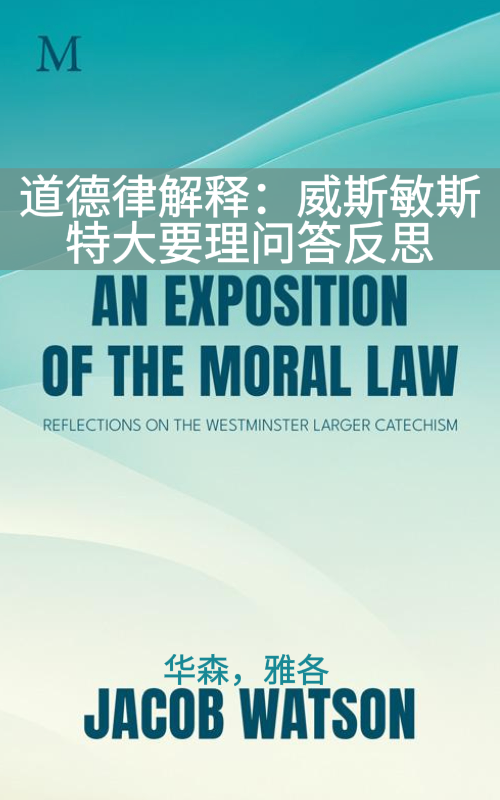
Reflections on the Westminster Larger Catechism
对威斯敏斯特大要理问答的反思
“An Exposition of the Moral Law: Reflections on the Westminster Larger Catechism” is a deep exploration of the moral Law, specifically analyzing the profound teachings embedded in the Westminster Larger Catechism (Questions 91-155).
《道德律释义:对威斯敏斯特大要理问答的反思》是对道德律的深入探讨,特别分析了威斯敏斯特大要理问答中所蕴含的深刻教导(问题91-155)。
Drawing from both Scripture and the vast reservoir of Reformed thought, this work delves into the Ten Commandments, the nature of sin, God’s just response to transgressions, and the transformative power of His Word in guiding believers towards salvation.
从圣经和改革宗思想的广阔宝库中汲取,这部作品深入探讨十诫、罪的本质、神对过犯的公义回应,以及祂的道在引导信徒走向救恩方面的改变大能。
Each chapter is an authoritative and didactic exposition, elucidating the intricate facets of moral law, human transgressions, and the redeeming grace made available through Christ’s mediation.
每一章都是权威性和教导性的阐释,阐明道德律的复杂方面、人类的过犯,以及通过基督的中保工作所提供的救赎恩典。
The author embarks on a reverent journey, guiding readers with an introspective and pastoral hand, fostering an environment of reflection and spiritual growth.
作者开始一段敬虔的旅程,以内省和牧者般的手引导读者,培养一个反思和属灵成长的环境。
Through comprehensive exegesis and deeply thought-provoking discussions, this book underscores the importance of the ordinances, particularly the Word, sacraments, and prayer, revealing how they act as conduits, making the grace of Christ effectual to believers.
通过全面的释经和深刻发人深省的讨论,本书强调蒙恩之道的重要性,特别是圣道、圣礼和祷告,揭示它们如何作为管道,使基督的恩典对信徒有效。
This exposition is not merely an academic exercise but a heartfelt invitation to understand and embrace the profound depths of God’s grace, as presented in the Westminster Larger Catechism, offering sustenance and enlightenment for every earnest reader.
这一阐释不仅仅是学术性的操练,而是一个真诚的邀请,去理解和拥抱神恩典的深邃深度,正如威斯敏斯特大要理问答所呈现的那样,为每一位认真的读者提供滋养和启迪。
Table of Contents
目录
Foreword
前言
Q91. What is the duty which God requireth of man?
问91:神要求人尽什么本分?
Q92: What did God at first reveal unto man as the rule of his obedience?
问92:神起初向人启示什么作为他顺服的准则?
Q93: What is the moral law?
问93:什么是道德律?
Q94: Is there any use of the moral law to man since the fall?
问94:人堕落之后道德律对人还有用处吗?
Q95: Of what use is the moral law to all men?
问95:道德律对所有人有什么用处?
Q96: What particular use is there of the moral law to unregenerate men?
问96:道德律对未重生之人有什么特别的用处?
Q97: What special use is there of the moral law to the regenerate?
问97:道德律对重生之人有什么特别的用处?
Q98: Where is the moral law summarily comprehended?
问98:道德律在哪里被概括地包含?
Q99: What rules are to be observed for the right understanding of the ten commandments?
问99:为正确理解十诫应该遵守什么规则?
Q100: What special things are we to consider in the ten commandments?
问100:我们在十诫中要考虑什么特别的事情?
Q101: What is the preface to the ten commandments?
问101:十诫的序言是什么?
Q102: What is the sum of the four commandments which contain our duty to God?
问102:包含我们对神本分的四条诫命的总纲是什么?
Q103: Which is the first commandment?
问103:第一条诫命是什么?
Q104: What are the duties required in the first commandment?
问104:第一条诫命要求什么本分?
Q105: What are the sins forbidden in the first commandment?
问105:第一条诫命禁止什么罪?
Q106: What are we specially taught by these words before me in the first commandment?
问106:第一条诫命中”在我面前”这些话特别教导我们什么?
Q107: Which is the second commandment?
问107:第二条诫命是什么?
Q108: What are the duties required in the second commandment?
问108:第二条诫命要求什么本分?
Q109: What are the sins forbidden in the second commandment?
问109:第二条诫命禁止什么罪?
Q110: What are the reasons annexed to the second commandment, the more to enforce it?
问110:附加于第二条诫命以更加强化它的理由是什么?
Q111: Which is the third commandment?
问111:第三条诫命是什么?
Q114: What reasons are annexed to the third commandment?
问114:附加于第三条诫命的理由是什么?
Q115: Which is the fourth commandment?
问115:第四条诫命是什么?
Q116: What is required in the fourth commandment?
问116:第四条诫命要求什么?
Q117: How is the sabbath or the Lord’s day to be sanctified?
问117:安息日或主日当如何成为圣?
Q118: Why is the charge of keeping the sabbath more specially directed to governors of families, and other superiors?
问118:为什么守安息日的责任特别针对家庭的管理者和其他上级?
Q119: What are the sins forbidden in the fourth commandment?
问119:第四条诫命禁止什么罪?
Q120: What are the reasons annexed to the fourth commandment, the more to enforce it?
问120:附加于第四条诫命以更加强化它的理由是什么?
Q121: Why is the word Remember set in the beginning of the fourth commandment?
问121:为什么”记念”这个词被放在第四条诫命的开头?
Q122: What is the sum of the six commandments which contain our duty to man?
问122:包含我们对人本分的六条诫命的总纲是什么?
Q123: Which is the fifth commandment?
问123:第五条诫命是什么?
Q124: Who are meant by father and mother in the fifth commandment?
问124:第五条诫命中的父母是指谁?
Q125: Why are superiors styled Father and Mother?
问125:为什么上级被称为父和母?
Q126: What is the general scope of the fifth commandment?
问126:第五条诫命的总体范围是什么?
Q127: What is the honor that inferiors owe to their superiors.?
问127:下级应该向他们的上级致以什么尊荣?
Q128: What are the sins of inferiors against their superiors?
问128:下级对其上级的罪是什么?
Q129: What is required of superiors towards their inferiors?
问129:上级对其下级要求什么?
Q131: What are the duties of equals?
问131:平等之人的本分是什么?
Q132: What are the sins of equals?
问132:平等之人的罪是什么?
Q133: What is the reason annexed to the fifth commandment, the more to enforce it?
问133:附加于第五条诫命以更加强化它的理由是什么?
Q134: Which is the sixth commandment?
问134:第六条诫命是什么?
Q136: What are the sins forbidden in the sixth commandment?
问136:第六条诫命禁止什么罪?
Q137: Which is the seventh commandment?
问137:第七条诫命是什么?
Q138: What are the duties required in the seventh commandment?
问138:第七条诫命要求什么本分?
Q139: What are the sins forbidden in the seventh commandment?
问139:第七条诫命禁止什么罪?
Q140: Which is the eighth commandment?
问140:第八条诫命是什么?
Q141: What are the duties required in the eighth commandment?
问141:第八条诫命要求什么本分?
Q142: What are the sins forbidden in the eighth commandment?
问142:第八条诫命禁止什么罪?
Q141: What are the duties required in the eighth commandment?
问141:第八条诫命要求什么本分?
Q142: What are the sins forbidden in the eighth commandment?
问142:第八条诫命禁止什么罪?
Q143: Which is the ninth commandment?
问143:第九条诫命是什么?
Q144: What are the duties required in the ninth commandment?
问144:第九条诫命要求什么本分?
Q145: What are the sins forbidden in the ninth commandment?
问145:第九条诫命禁止什么罪?
Q146: Which is the tenth commandment?
问146:第十条诫命是什么?
Q147: What are the duties required in the tenth commandment?
问147:第十条诫命要求什么本分?
Q148: What are the sins forbidden in the tenth commandment?
问148:第十条诫命禁止什么罪?
Q149: Is any man able perfectly to keep the commandments of God?
问149:有人能够完全遵守神的诫命吗?
Q150: Are all transgressions of the law of God equally heinous in themselves, and in the sight of God?
问150:所有违犯神律法的行为在其本身和在神眼中是否同样可憎?
Q151: What are those aggravations that make some sins more heinous than others?
问151:什么是那些使某些罪比其他罪更可憎的加重情节?
Q152: What doth every sin deserve at the hands of God?
问152:每一项罪在神手中该受什么?
Q153: What doth God require of us, that we may escape his wrath and curse due to us by reason of the transgression of the law?
问153:神要求我们什么,使我们可以逃脱因违犯律法而当受的祂的忿怒和咒诅?
Q154: What are the outward means whereby Christ communicates to us the benefits of his mediation?
问154:基督借以向我们传递祂中保工作之益处的外在方法是什么?
Q155: How is the word made effectual to salvation?
问155:圣道如何成为对救恩有效?