|
Getting your Trinity Audio player ready... |
中文下载
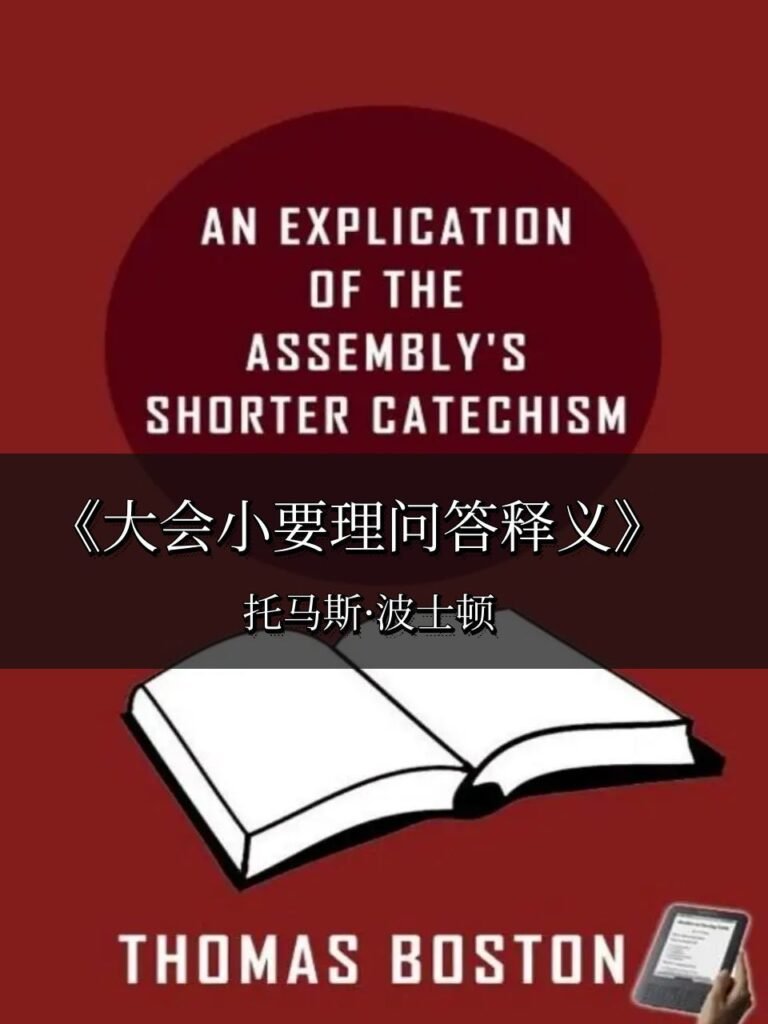
Commentary is up through Question #38. Another more complete version can be found here.
评注至第38个问题。另一个更完整的版本可以在这里找到。
Thomas Boston was born in Duns, Berwickshire, the youngest of seven children.
托马斯·波士顿(Thomas Boston)出生于伯里克郡(Berwickshire)的邓斯(Duns),是七个孩子中最小的一个。
His parents sent Boston from age nine to thirteen to the grammar school in Duns, where he loved reading the Bible and began studying Latin and New Testament Greek.
他的父母将波士顿从九岁到十三岁送到邓斯的文法学校(grammar school),在那里他热爱阅读圣经,并开始学习拉丁文和新约希腊文。
John Boston, Thomas’s father, was a cooper by trade and a strict Presbyterian.
约翰·波士顿(John Boston),托马斯的父亲,以箍桶(cooper)为业,是一位严格的长老会信徒(Presbyterian)。
He was imprisoned for a time for refusing to conform to the changes in worship and government that the Stuart kings imposed on the Church of Scotland.
他曾一度入狱,因为他拒绝遵守斯图亚特国王(Stuart kings)强加于苏格兰教会的敬拜和治理上的改变。
One of Thomas’s earliest memories was visiting his father in prison.
托马斯最早的记忆之一是去监狱探望他的父亲。
After the Act of Toleration in 1687 permitted non-conforming Presbyterians to hold services in private houses, John Boston began traveling with his family to Whitsome to hear the preaching of Henry Erskine, the father of Ebenezer and Ralph Erskine.
在1687年的《宽容法案》(Act of Toleration)允许不从众的长老会信徒在私人住宅举行礼拜后,约翰·波士顿开始带着家人前往惠特森(Whitsome)聆听亨利·厄斯金(Henry Erskine)的讲道,他是以比尼泽(Ebenezer)和拉尔夫·厄斯金(Ralph Erskine)的父亲。
Thomas Boston was spiritually awakened at age eleven while listening to Erskine’s messages on John 1:29 and Matthew 3:7.
托马斯·波士顿在十一岁时,聆听厄斯金关于约翰福音 1章29节和马太福音 3章7节的信息时,经历了属灵的觉醒(spiritually awakened)。
Erskine’s ministry continued to influence the Boston family.
厄斯金的事工持续影响着波士顿一家。
Regardless of the weather, Thomas Boston would walk four or five miles each Sabbath to obtain food for his soul.
无论天气如何,托马斯·波士顿每个安息日(Sabbath)都会步行四五英里去获取他灵魂的食粮。
He later wrote, “In the winter sometimes it was my lot to go alone, without so much as a horse to carry me through Blackadder water, the wading whereof in sharp frosty weather I very well remember.
他后来写道:“在冬天,有时我不得不独自前行,连一匹马都没有,带我穿过布莱克阿德河(Blackadder water),我清楚地记得在严寒的天气里趟过河水。
But such things were then easy, for the benefit of the Word, which came with power” (Memoirs, p. 10).
但那时候这些都很容易,为了圣言(Word)的益处,圣言带着能力而来”(《回忆录》,第10页)。
Table of Contents
目录
What is the chief end of man?
人的主要目的是什么?
What rule hath God given to direct us how we may glorify and enjoy Him?
上帝给了我们什么准则来指导我们如何荣耀祂并以祂为乐?
What do the Scriptures principally teach?
圣言主要教导什么?
What is God?
上帝是什么?
Are there more Gods than one?
上帝是否不止一位?
How many persons are there in the Godhead?
神性(Godhead)中有多少位格(persons)?
What are the decrees of God?
上帝的定旨(decrees)是什么?
How doth God execute his decrees?
上帝如何执行祂的定旨?
What is the work of creation?
创造(creation)的工作是什么?
How did God create man?
上帝如何创造人?
What are God’s works of providence?
上帝的护理(providence)工作是什么?
What special act of providence did God exercise toward man in the estate wherein he was created?
上帝对处于受造状态的人施予了什么特殊的护理行动?
Did our first parents continue in the estate wherein they were created?
我们的始祖是否继续处于他们受造时的状态?
What is sin?
罪是什么?
What was the sin whereby our first parents fell from the estate wherein they were created?
使我们的始祖从他们受造状态中堕落的罪是什么?
Did all mankind fall in Adam’s first transgression?
全人类都堕落在亚当的第一次悖逆中了吗?
Into what estate did the fall bring mankind?
堕落将人类带入了什么状态?
Wherein consists the sinfulness of that estate whereinto man fell?
人堕入的状态中,罪恶(sinfulness)体现在哪里?
What is the misery of that estate whereinto man fell?
人堕入的状态中,痛苦(misery)是什么?
Did God leave all mankind to perish in the estate of sin and misery?
上帝是否任凭全人类在罪和痛苦的状态中灭亡?
Who is the Redeemer of God’s elect?
上帝选民(elect)的救赎主(Redeemer)是谁?
How did Christ, being the Son of God, become man?
基督,既是上帝的儿子,如何成为人?
What offices doth Christ execute as our Redeemer?
基督作为我们的救赎主,执行什么职分?
How doth Christ execute the office of a prophet?
基督如何执行先知(prophet)的职分?
How doth Christ execute the office of a priest?
基督如何执行祭司(priest)的职分?
How doth Christ execute the office of a king?
基督如何执行君王(king)的职分?
Wherein did Christ’s humiliation consist?
基督的降卑(humiliation)体现在哪里?
Wherein consisteth Christ’s exaltation?
基督的升华(exaltation)体现在哪里?
How are we made partakers of the redemption purchased by Christ?
我们如何成为基督所买赎(purchased)的救赎的分享者?
How doth the Spirit apply to us the redemption purchased by Christ?
圣灵如何将基督所买赎的救赎应用在我们身上?
What is effectual calling?
有效呼召(effectual calling)是什么?
What benefits do they that are effectually called partake of in this life?
那些被有效呼召的人在今生分享到什么益处?
What is justification?
称义(justification)是什么?
What is adoption?
收纳(adoption)是什么?
What is sanctification?
成圣(sanctification)是什么?
What are the benefits which in this life do accompany or flow from justification, adoption, and sanctification?
在今生,伴随着或源自称义、收纳和成圣的益处是什么?
What benefits do believers receive from Christ at death?
信徒在死时从基督那里得到什么益处?
What benefits do believers receive from Christ at the resurrection?
信徒在复活时从基督那里得到什么益处?